Understanding France's Clay Soil Risks for Homebuyers
In recent years, France has seen a dramatic increase in the risk of structural damage to homes caused by shrinking and swelling clay soils. As of July 2026, the government estimates that over 12 million homes are vulnerable due to these geological conditions.
Understanding the implications of these risks is crucial for anyone looking to buy property in France. This post explores the factors contributing to this issue, the regions most affected, and what prospective buyers can do to make informed decisions.

The Rising Risk of Clay Soils in France
As of mid-2026, over half of mainland France, specifically 55%, is classified as being at medium to high risk for issues related to clay soils. This is a notable increase from the 48% reported in 2020, according to data from Connexion France. The rising risk is closely linked to climate change, which exacerbates the natural process known as 'Retrait-Gonflement des Argiles' (RGA).
This phenomenon causes clay soils to shrink and swell, leading to structural damage in buildings, including cracks and foundational instability. The French government's estimate of 12.1 million homes at risk underscores the scale of the problem.
Impacts on Insurance and Home Repair Costs
Homeowners should be aware of the financial implications of these geological risks. France has seen approximately 446,000 insurance claims related to clay soil fluctuations between 1989 and 2022. This demonstrates the significant financial burden that can arise from damage repairs if not adequately insured.
In response to the increasing risk, in 2025, the mandatory 'CATNAT' surcharge on property insurance rose from 12% to 20%. This highlights the growing need for buyers to comprehensively assess insurance options and potential costs when purchasing property in at-risk areas.
Key Regions of Concern
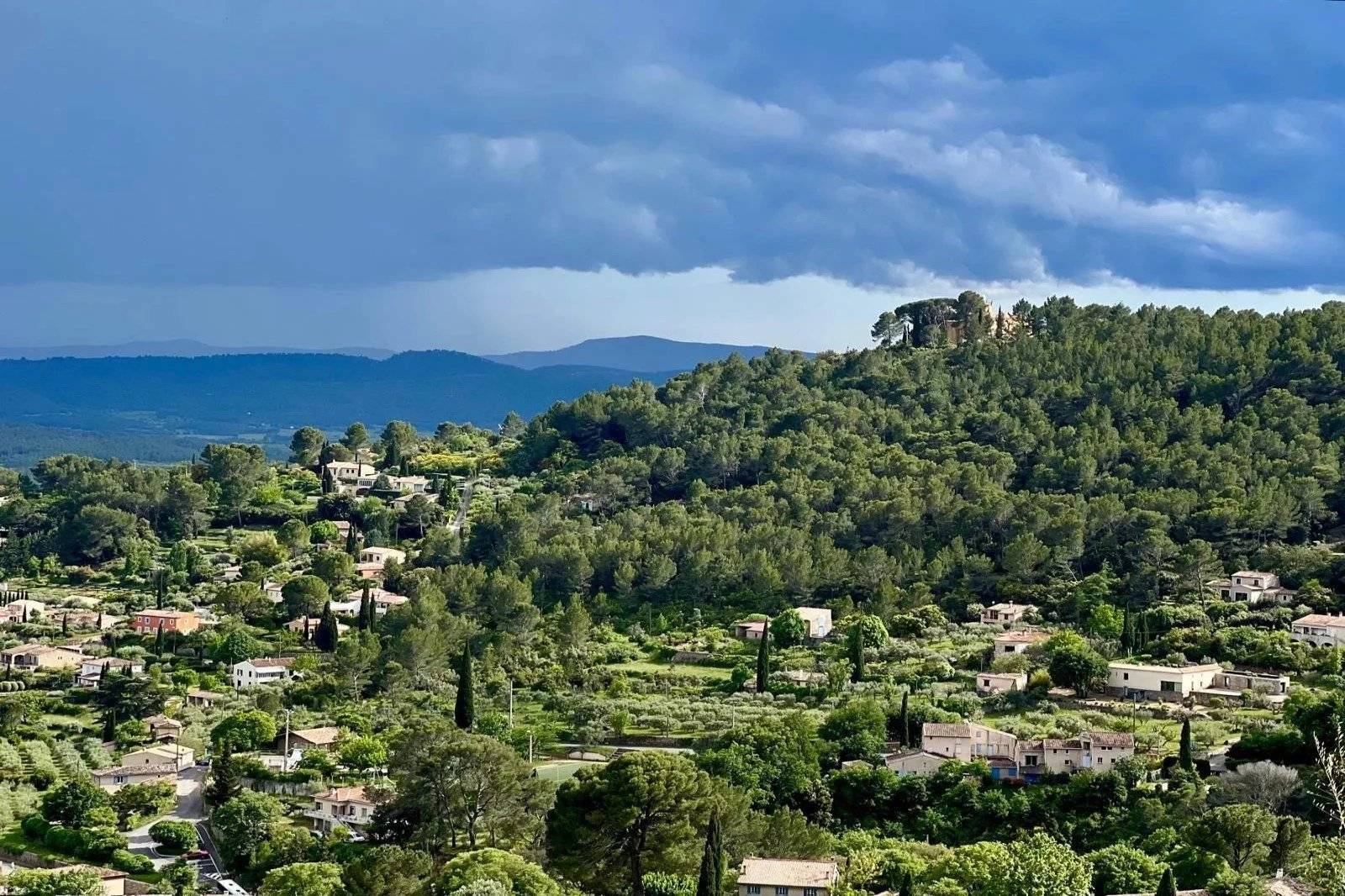
Certain French regions are particularly susceptible to clay shrinkage and swelling. Over three million homes in areas such as Allier, Alpes-de-Haute-Provence, Dordogne, and Gers, among others, are classified as high risk. These areas are often preferred by foreign buyers seeking picturesque locales, but they come with inherent risks.
Potential homebuyers should pay close attention to these regional differences. Government resources such as the Géorisques website provide detailed information and should be consulted during the property evaluation process.
Making Informed Property Purchases
For prospective buyers, understanding and mitigating risks associated with clay soils is essential. A significant step is reviewing the 'État des Risques et Pollutions' (ERP) report for any prospective property. This report details environmental and geological risks, offering a clear view of potential challenges.
Additionally, ensuring that properties adhere to the latest construction standards, strengthened in 2024 for better protection against such risks, can help offset some structural vulnerabilities. Buyers may also consider engaging local geological experts for thorough due diligence.
Where This Leaves Buyers
Purchasing property in France, particularly in areas prone to clay soil issues, requires vigilance and informed decision-making. Regions like Dordogne and Lot-et-Garonne might offer charm, but they demand careful evaluation of the structural risks involved.
Prospective buyers should leverage available resources such as the government's risk maps and the Géorisques site to assess potential properties. Evaluating insurance costs and construction standards should form an integral part of the buying process. Habio can assist by providing comprehensive listings and area guides to aid in navigating these complexities.
Frequently asked questions
What is the current risk of clay soil issues in France?
As of July 2026, 55% of mainland France is at medium to high risk for shrinking and swelling clay soil issues.
How many homes are affected by clay soil conditions in France?
The French government estimates that over 12 million homes are affected by clay soil conditions.
How has insurance changed due to clay soil risks?
In 2025, the 'CATNAT' insurance surcharge increased from 12% to 20% to cover rising clay soil risk.
Which regions in France are at high risk for clay soil issues?
Regions such as Allier, Dordogne, and Lot-et-Garonne are at high risk for issues related to clay soil.
What should buyers check before purchasing property?
Buyers should review the 'État des Risques et Pollutions' report and ensure adherence to recent construction standards.
Sources
- France clay soil risk map: What property buyers and insurers need to know
- 'Shrinking-swelling’ phenomenon is putting 12m French homes at risk. Is climate change to blame? | Euronews
- Clay subsidence risk in France: Over 12 million homes affected
- France Updates Shrink–Swell Risk Zones | France Insider
- Retrait-gonflement des argiles | Chiffres clés des risques naturels - Édition 2023
This article is general information, not legal, tax or financial advice. Markets and rules change — verify the current position with official sources before acting. Published 9 October 2026.
Homes for sale in France
Live listings on Habio, updated daily.