Kotor Bay or Budva? Where to Buy on Montenegro's Coast
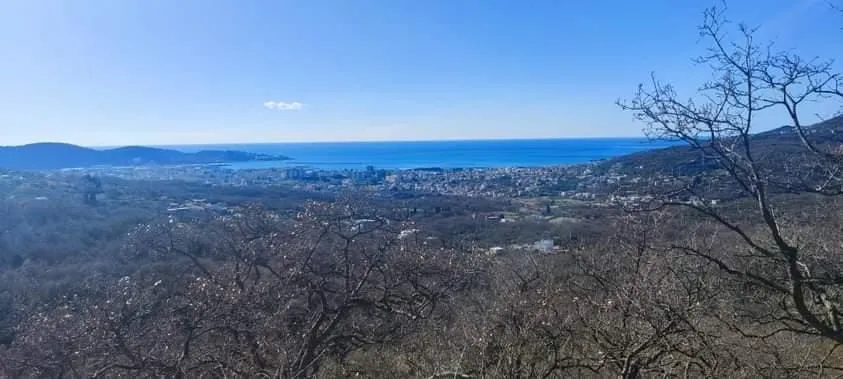
Montenegro's short Adriatic coastline packs in two very different buying propositions: the UNESCO-protected Bay of Kotor, with its stone villages and steep green slopes, and Budva, the country's tourism capital and busiest property market.
Here is how the two compare on prices, character and rental prospects, using the latest official figures from Montenegro's statistical office, MONSTAT.

The coastal market in numbers
MONSTAT data for the third quarter of 2025 puts the average price of a flat in a new residential building in the coastal region at €2,458 per square metre — the highest of any region and above the national average of €2,228. Podgorica, the capital, averaged €2,153, while the northern region was far cheaper at €1,578.
These figures cover new-build sales only, and individual locations vary widely: front-line properties in the Bay of Kotor and premium developments around Budva can trade well above the regional average, while older stock and homes set back from the water trade below it.
- Coastal region new-build average: €2,458 per m² (Q3 2025, MONSTAT)
- National new-build average: €2,228 per m²
- Podgorica: €2,153 per m²; northern region: €1,578 per m²
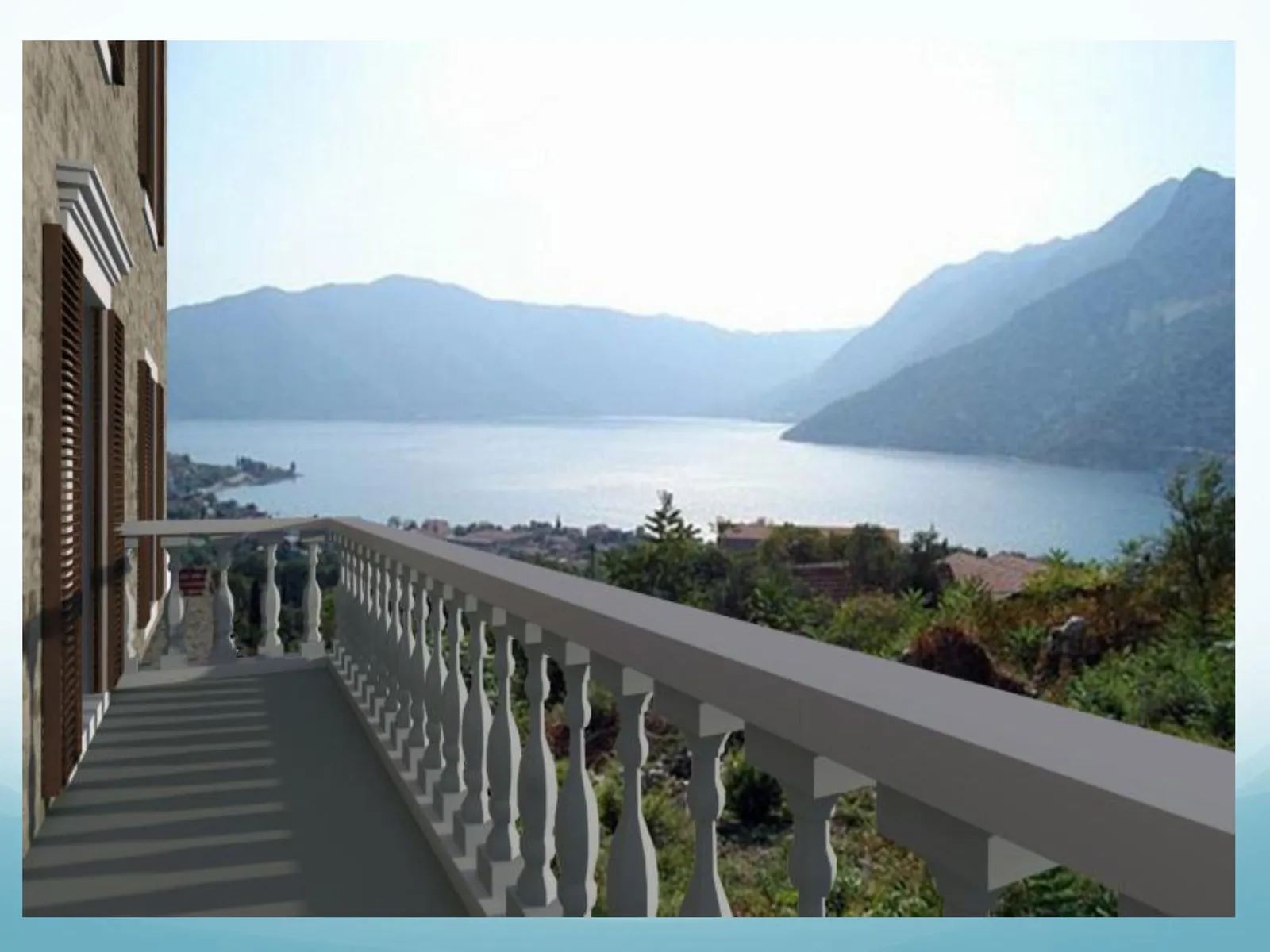
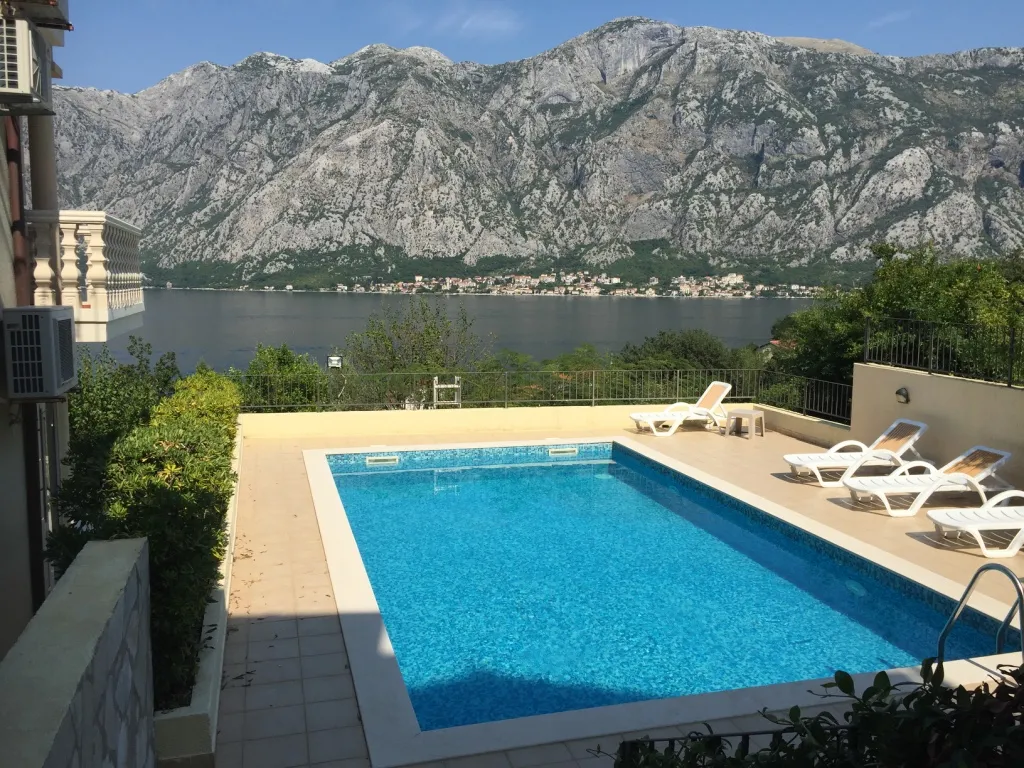
Kotor Bay: heritage, scenery and tighter supply
The inner bay — Kotor's walled old town and villages such as Perast, Dobrota, Prčanj and Muo — sits within the Natural and Culturo-Historical Region of Kotor, inscribed on UNESCO's World Heritage List in 1979. That protection preserves the stone architecture and dramatic setting that draw buyers, but it also brings stricter planning control and limited new supply in the most sought-after spots.
Kotor attracts strong cultural and cruise-related visitor demand, and the market leans towards character stone houses, renovation projects and small waterfront apartment schemes rather than large resorts. Renovating a protected building can require extra permissions, so allow time and budget for that.
Budva: the volume market
Budva is Montenegro's tourism workhorse. Coastal municipalities generate over 90% of the country's foreign tourist overnight stays, and Budva remained the volume leader in both arrivals and overnight stays in 2025, according to Montenegro Business reporting on the year's tourism statistics.
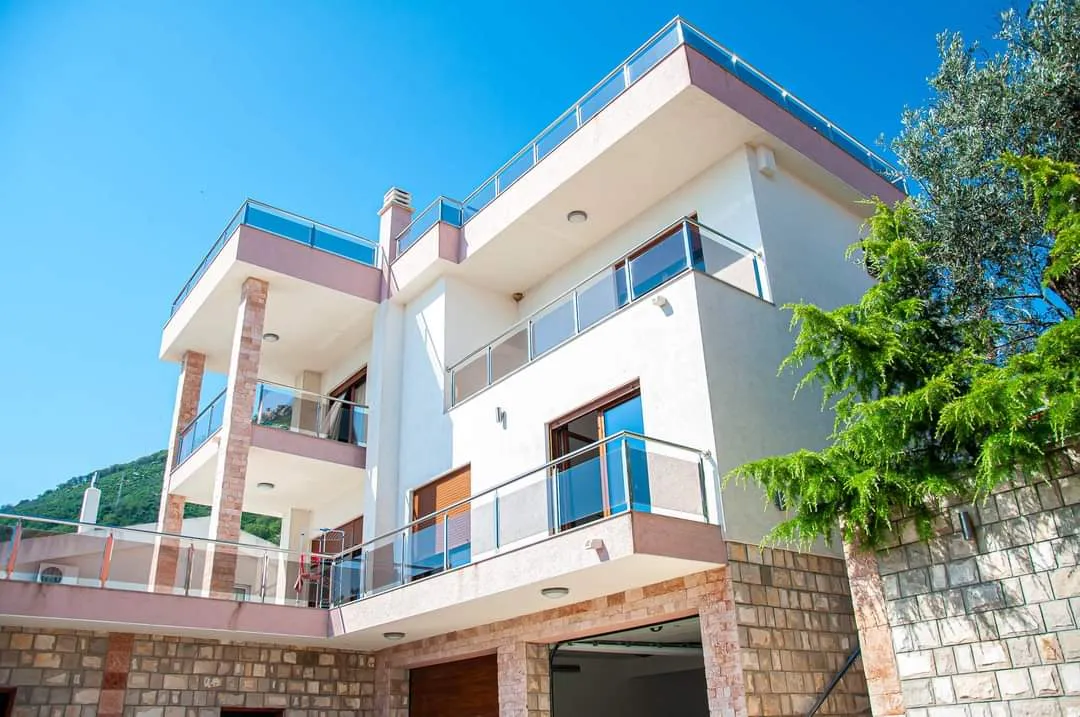
For buyers that translates into the coast's deepest pool of new-build apartments — in Budva itself, Bečići and along towards Sveti Stefan — plus the strongest short-let demand in July and August. The trade-off is a highly seasonal town: busy in summer, much quieter from November to April.
Costs are the same wherever you buy
Purchase taxes do not vary by town. Resale property carries transfer tax at progressive rates introduced in January 2024 — 3% up to €150,000, 5% on the portion up to €500,000 and 6% above that, according to KPMG — while new builds bought from a developer carry 21% VAT instead.
Prices are in euros in both markets, and the same notary-led purchase process and cadastre registration apply.
Which one suits you?
Neither market is objectively better; they reward different priorities.
- Choose Kotor Bay for heritage architecture, scenery and scarcity value — and accept stricter planning and fewer new builds
- Choose Budva for new apartments, amenities and the strongest holiday-let season — and accept crowds and summer noise
- Both share the same taxes, currency and legal process
- Habio's Montenegro listings and area guides cover both markets if you want to compare specific neighbourhoods
Frequently asked questions
Is property more expensive in Kotor or Budva?
MONSTAT publishes prices by region rather than by town: new-build flats in the coastal region averaged €2,458 per square metre in Q3 2025. Within that, prime bay-front Kotor properties and premium Budva developments both trade above the average.
Is the Bay of Kotor a UNESCO site?
Yes. The Natural and Culturo-Historical Region of Kotor was inscribed on the World Heritage List in 1979, which brings stricter planning and conservation rules within the protected zone.
Which is better for holiday rentals, Kotor or Budva?
Budva has Montenegro's highest visitor volumes and the deepest short-let demand in peak season, while Kotor attracts strong cultural and cruise-related visitors. Both markets are highly seasonal.
What taxes do you pay when buying on the Montenegrin coast?
The same as anywhere in Montenegro: progressive transfer tax of 3% to 6% on resale property, or 21% VAT on the first sale of a new build, plus annual property tax of 0.25% to 1%.
Sources
This article is general information, not legal, tax or financial advice. Markets and rules change — verify the current position with official sources before acting. Published 2 August 2026.
Homes in the places mentioned
Homes for sale in Montenegro
Live listings on Habio, updated daily.