The Cost of Buying Property in Brazil: ITBI and Notary Fees
Brazilian purchase costs are moderate by international standards, but they are real money and they fall almost entirely on the buyer. As a rule of thumb, specialist property lawyers put total closing costs at roughly 4-6% of the purchase price for an urban home, on top of what you pay the seller.
The three big items are the municipal transfer tax (ITBI), the notary deed and the registry fee - plus a handful of smaller costs that catch foreign buyers out, such as sworn translations. Here is what each one is and what it typically costs.

ITBI: the municipal transfer tax
ITBI (Imposto sobre Transmissao de Bens Imoveis) is a one-off tax charged by the municipality every time a property changes hands, and it is normally the largest single closing cost. Rates are set locally and mostly fall between 2% and 3% of the property value: Sao Paulo city charges a flat 3%, while cities such as Curitiba (2.5%) and Campinas (2.7%) sit a little lower, according to Brazilian law firm RC Advocacia.
An important detail: many municipalities calculate ITBI on the higher of the declared sale price and their own assessed value (valor venal), so the bill can be slightly larger than the headline rate applied to your purchase price. The notary will require proof that ITBI has been paid before completing the deed, so it cannot be deferred.
- Typical range: 2-3% of property value, set by each municipality
- Sao Paulo city: 3% flat; many interior cities charge 2-2.7%
- Payable before the deed is signed - the notary checks the receipt
Notary and registry: two separate cartorios, two separate bills
Brazil splits conveyancing between two offices. The notary office (cartorio de notas) draws up the public deed of sale (escritura publica); as an indication, deed fees in Sao Paulo state generally run to a few thousand reais - roughly R$3,000-4,500 depending on the city and property value.
The property registry (Cartorio de Registro de Imoveis) then records the deed, which is the step that actually transfers ownership. Registration fees are value-based and typically come to around 1-1.5% of the property value. Both sets of fees follow state fee tables, so they vary across Brazil's 26 states.
The smaller costs foreign buyers forget
Due diligence certificates (certidoes) on the property and seller typically cost a few hundred reais - around R$400-800 in a big city. If your documents are not in Portuguese, Brazil requires sworn translations, usually charged per page at roughly R$80-150.
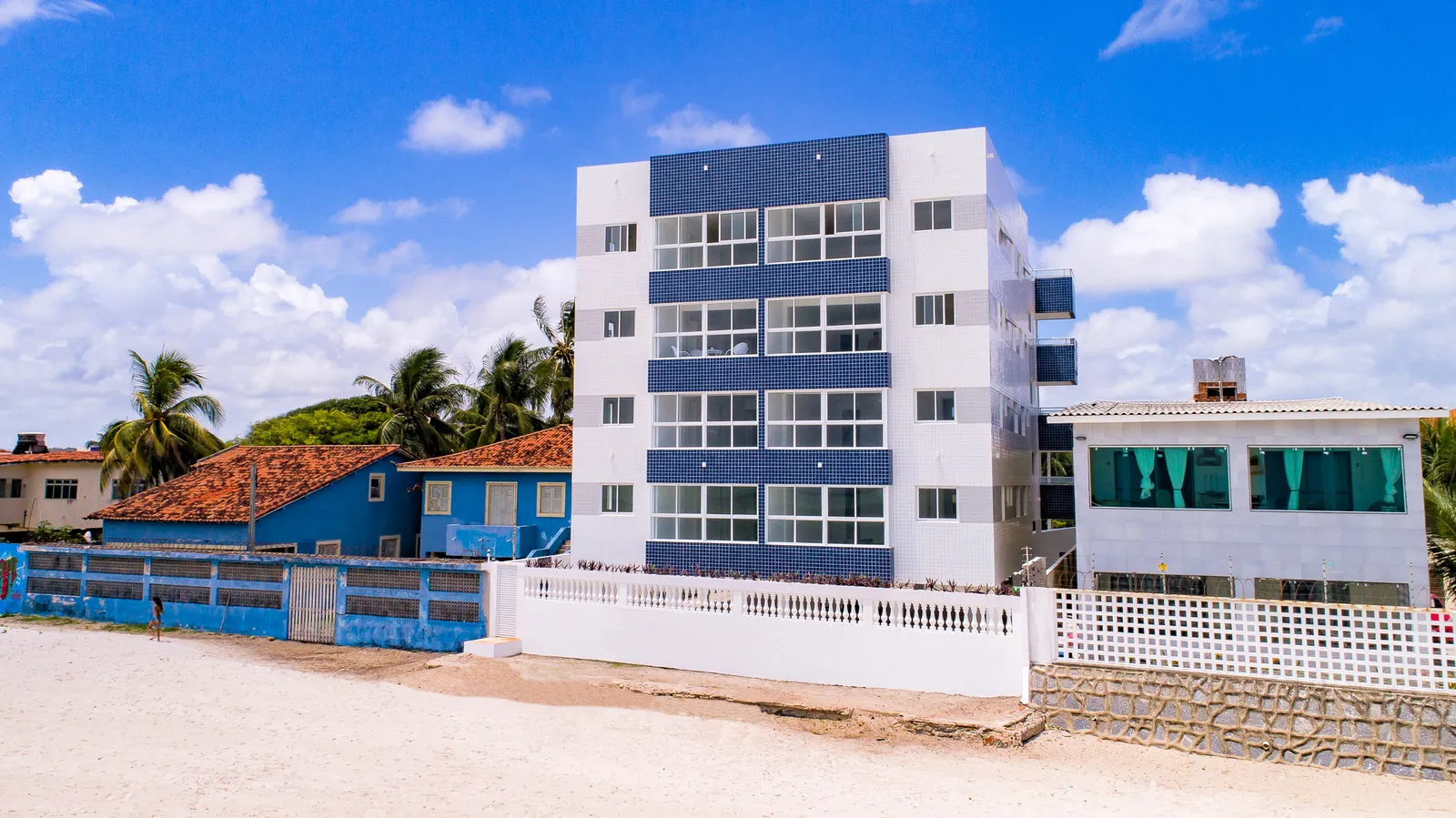
Foreign buyers completing remotely will also pay for a public power of attorney, and buyers of beachfront property should check whether the plot sits on federally owned marine land (terreno de marinha), which carries an extra federal fee. Legal fees are on top: hiring an OAB-registered lawyer is not mandatory but is strongly advised, as conveyancing checks are not the estate agent's responsibility in Brazil.
- Certificates (certidoes): roughly R$400-800 in major cities
- Sworn translations: about R$80-150 per page of foreign documents
- Power of attorney and consular legalisation or apostille for remote buyers
- Independent lawyer's fee - agreed privately, worth budgeting for
A worked example
Take a R$500,000 apartment in a large Brazilian city. ITBI at 3% is R$15,000; the deed might cost around R$4,000; registration at roughly 1.5% adds R$7,500; certificates and paperwork perhaps R$800. That is about R$27,000 - some 5.4% of the price - before legal fees, which matches the 5-6% total that RC Advocacia estimates for Sao Paulo and the 4-5% range Oliveira Lawyers cites more generally.
Costs are proportionally a little lower in smaller cities and higher for rural property, where georeferencing surveys and extra certificates apply.
Ongoing costs once you own
After completion you will pay IPTU, the annual municipal property tax, plus condominium fees if you buy a flat. Rates and fee tables change and differ by state and municipality, so treat the figures here as a planning guide and confirm current numbers with the local prefeitura (city hall) and cartorio before you commit.
If you are comparing budgets across markets, Habio's buyer guides break down purchase costs country by country alongside its Brazilian listings.
Frequently asked questions
How much are closing costs when buying property in Brazil?
Plan for roughly 4-6% of the purchase price on top of what you pay the seller. That covers ITBI transfer tax (usually 2-3%), the notary deed, registration at about 1-1.5%, certificates and translations - but not your lawyer's fee.
What is ITBI in Brazil?
ITBI is the municipal property transfer tax, paid by the buyer on every sale. Rates are set by each city, typically 2-3% - Sao Paulo charges 3% - and it is often calculated on the higher of the sale price and the municipal assessed value. It must be paid before the deed is signed.
Who pays the notary and registration fees in Brazil?
By custom the buyer pays ITBI, notary and registration costs, though the law does not fix this and it can be negotiated in the purchase agreement. Both notary and registry fees follow state fee tables.
Do I need a lawyer to buy property in Brazil?
It is not legally required, but strongly recommended - especially for foreign buyers. Estate agents do not carry out title checks in Brazil, so an independent OAB-registered lawyer should review the certificates (certidoes) on the property and seller before you sign.
What ongoing taxes do property owners pay in Brazil?
The main one is IPTU, an annual municipal property tax, plus condominium charges for flats. Beachfront plots on federal marine land (terreno de marinha) can carry an additional federal fee. Check current rates with the local prefeitura.
Sources
This article is general information, not legal, tax or financial advice. Markets and rules change — verify the current position with official sources before acting. Published 2 August 2026.
Homes for sale in Brazil
Live listings on Habio, updated daily.