Can Foreigners Buy Property in Brazil? Yes - Here's How
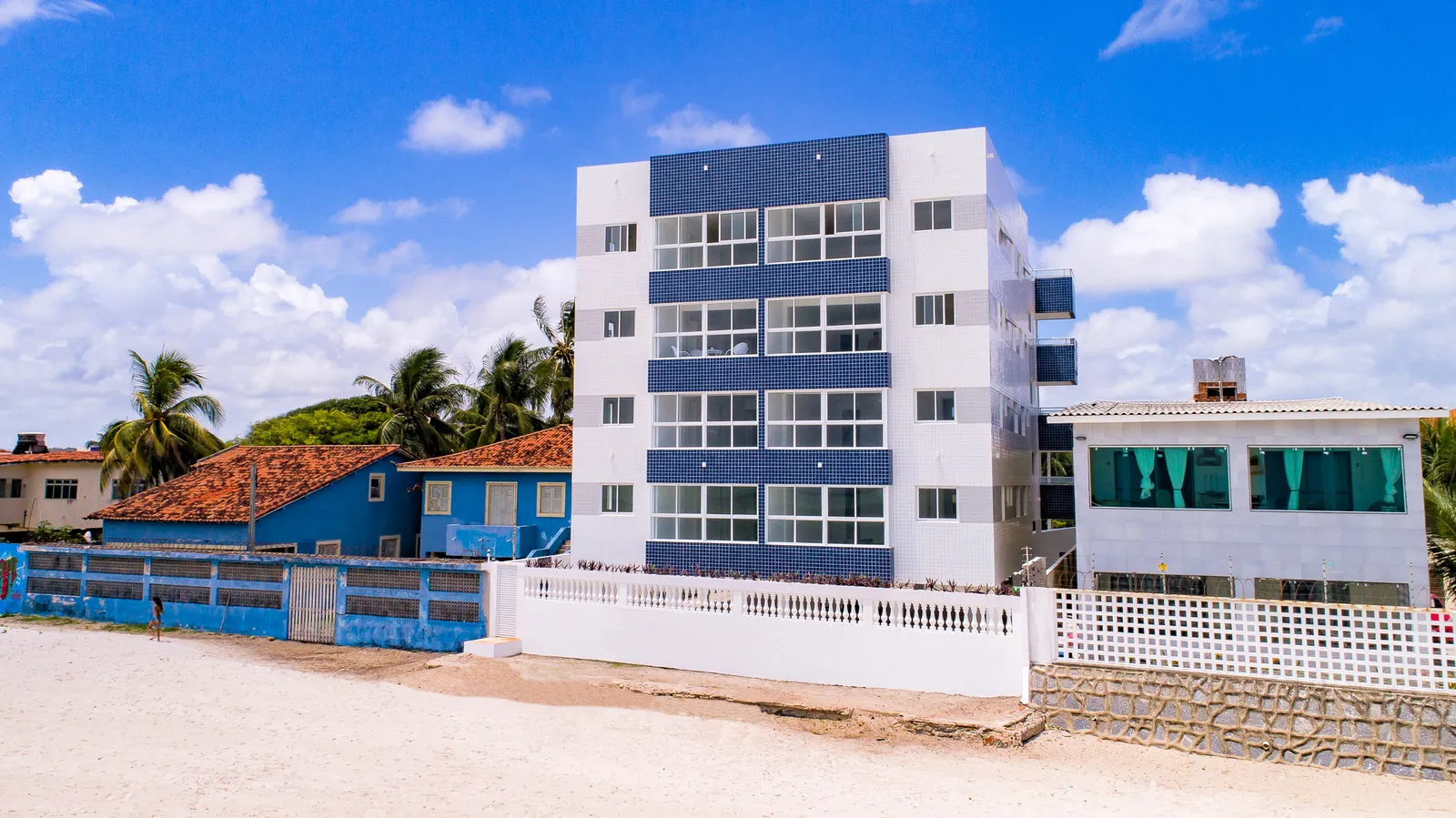
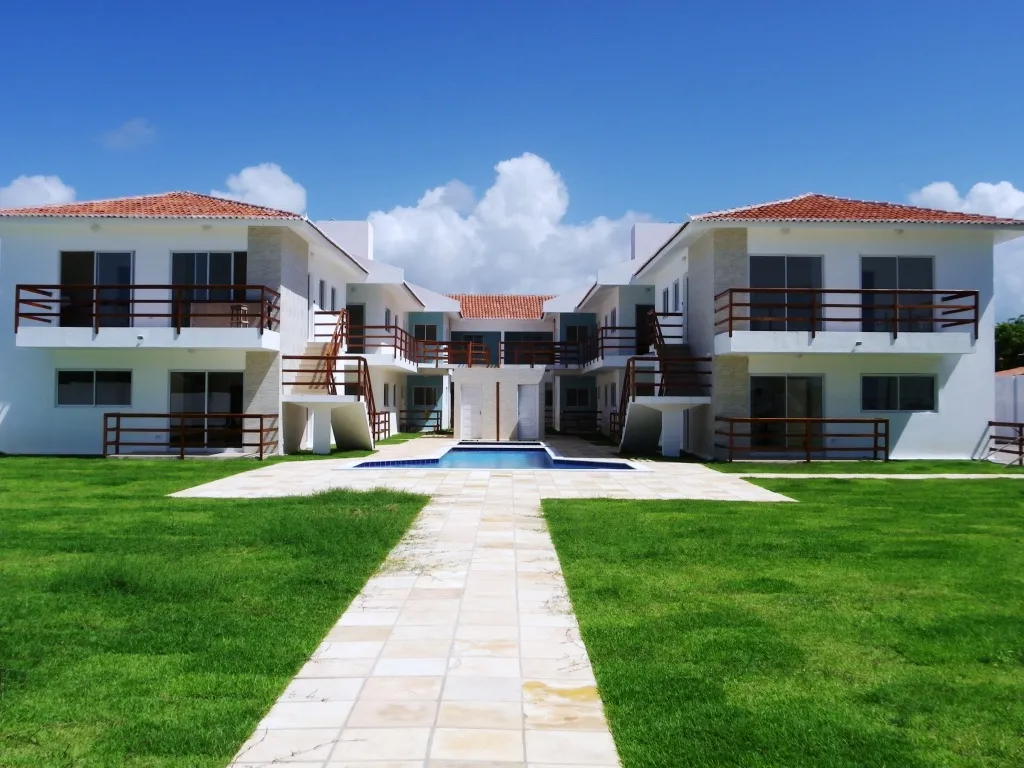
The short answer is yes: foreigners can buy urban property in Brazil - a flat in Fortaleza, a house near Natal, a pousada in Bahia - with exactly the same freehold ownership rights as a Brazilian citizen. You do not need a visa, residency or even to set foot in the country to complete a purchase.
There is one non-negotiable requirement: a CPF, Brazil's individual taxpayer number. This guide explains what the CPF is, how to get one from abroad or in Brazil, how the purchase process works step by step, and the few situations - rural land and border zones - where restrictions do apply.

Urban property: the same rights as a Brazilian
For ordinary urban homes - apartments, houses and condominium units - Brazilian law treats foreign buyers the same as locals. No government authorisation is needed, and once the deed is registered you hold full freehold title in your own name at the local property registry (Cartorio de Registro de Imoveis).
You also do not need to be in Brazil to buy. It is common for overseas buyers to grant a public power of attorney (procuracao publica) to a Brazilian lawyer, who signs the deed and handles registration on their behalf.
The CPF: the one document you cannot buy without
The CPF (Cadastro de Pessoa Fisica) is Brazil's individual taxpayer number, issued by the Receita Federal, the federal tax authority. You need it to buy property, open a bank account, take out utility contracts and sign most contracts in Brazil - but residency is not required to get one.
There are three usual routes. You can apply through the Brazilian consulate serving your country of residence, typically via its e-consular system followed by an appointment; if you are already in Brazil, you can apply in person at Receita Federal offices, post offices or certain banks for a small fee of a few reais; or you can authorise a Brazilian lawyer with a limited power of attorney to obtain the number for you, which is faster but carries a professional fee.
Whichever route you take, expect to provide a valid passport, your parents' names (Brazilian forms ask for them), and proof of address in your home country. Consular processing can take weeks depending on appointment availability, so sort the CPF out early - well before you start making offers.
- Consulate route: free or near-free, but slower - apply via the e-consular system
- In Brazil: apply at Receita Federal, post offices or partner banks for a nominal fee
- Via a lawyer: a limited power of attorney lets a Brazilian attorney apply for you remotely
How a purchase actually works
A typical Brazilian purchase runs through three stages. First, buyer and seller usually sign a preliminary purchase agreement (promessa de compra e venda) setting the price, deposit and timetable - specialist lawyers commonly recommend allowing around 45 days between this agreement and completion so due diligence can be done properly.
Second, the sale is formalised in a public deed (escritura publica) signed before a notary. Third - and crucially - the deed must be registered at the Cartorio de Registro de Imoveis for the district where the property sits. In Brazil, ownership only transfers on registration, not on signing.
Due diligence matters more than in some European markets: your lawyer should pull certificates (certidoes) on the property and the seller to check for debts, liens and disputes before you sign the deed.
Where restrictions do apply: rural land and border zones
Rural land is the main exception. Under Law 5,709/1971, purchases of rural property by foreign individuals need prior approval from INCRA, the agrarian reform institute, with limits on plot size and rules capping foreign ownership at 25% of any municipality's territory - no more than 10% in the hands of one nationality. Approval is slow and document-heavy.
Separately, Law 6,634/1979 restricts property within 150 km of Brazil's land borders, where National Defence Council authorisation is required. Neither rule affects the coastal cities where most overseas buyers look - Natal, Fortaleza and Salvador are all far from land borders - but some beachfront plots sit on federally owned marine land (terreno de marinha), which involves an extra federal fee, so have your lawyer check the title class.
- Urban homes: no restrictions, full freehold for foreigners
- Rural land: INCRA approval required under Law 5,709/1971
- Within 150 km of land borders: defence authorisation needed under Law 6,634/1979
- Beachfront plots: check whether the land is terreno de marinha
Practical next steps
If Brazil is on your list, start with the CPF, then engage an OAB-registered Brazilian lawyer before you commit money - conveyancing is not part of the estate agent's job in Brazil. Rules and fees can change, so confirm current requirements with the Receita Federal and your consulate.
Habio has Brazilian listings alongside area guides and buyer guides if you want to see what your budget buys on the north-east coast.
Frequently asked questions
Can a foreigner buy property in Brazil without residency?
Yes. Foreigners can buy urban property in Brazil with full freehold rights and no visa or residency requirement. The only universal requirement is a CPF, Brazil's taxpayer number, which non-residents can obtain.
What is a CPF and how do I get one from abroad?
The CPF (Cadastro de Pessoa Fisica) is Brazil's individual tax ID, issued by the Receita Federal. From abroad you can apply through your Brazilian consulate's e-consular system, or authorise a Brazilian lawyer to apply for you via power of attorney. In Brazil you can apply in person for a nominal fee.
Do I have to be in Brazil to complete a purchase?
No. Buyers commonly grant a public power of attorney (procuracao publica) to a Brazilian lawyer, who signs the public deed and registers it at the property registry on their behalf.
Are there any properties foreigners cannot buy in Brazil?
Rural land needs prior INCRA approval under Law 5,709/1971, and property within 150 km of a land border needs National Defence Council authorisation under Law 6,634/1979. Ordinary urban and coastal homes in cities such as Natal, Fortaleza and Salvador are unaffected.
When do I legally own the property in Brazil?
Only when the public deed (escritura publica) is registered at the Cartorio de Registro de Imoveis. Signing the deed alone does not transfer ownership, so registration is an essential final step.
Sources
This article is general information, not legal, tax or financial advice. Markets and rules change — verify the current position with official sources before acting. Published 2 August 2026.
Homes for sale in Brazil
Live listings on Habio, updated daily.