Charming Early 20th Century Townhouse in Capestang
€302,400€2,326/m²
Capestang, Languedoc-Roussillon, France
3
bedrooms
2
bathrooms
130 m²
interior
550 m²
plot
House
property type
7 Jul 2026
listed
The Habio take
AI summaryDiscover this characterful townhouse from the early 20th century, featuring approximately 130 m² of living space in Capestang, Languedoc-Roussillon. The property offers a spacious courtyard and several outbuildings with great potential for family projects or tourism ventures.
- family
- garden
- quiet
- rental income
- historic
Highlights
- Characterful early 20th-century architecture
- Large courtyard and summer kitchen
- Several outbuildings with conversion potential
- Three spacious bedrooms
- Proximity to local shops and amenities
- Good access to beaches and main roads
Worth knowing
- No lift mentioned
- Renovation may be needed for outbuildings
- Car likely needed for daily errands
Good fit for: Ideal for families or those seeking a property with investment potential.
Lifestyle scores
- Beach
- 60
- Walkable
- 55
- Remote work
- 60
- Family
- 80
- Retirement
- 70
- Airport access
- 65
- Investment
- 70
- Luxury
- 50
- Value
- 75
About this place
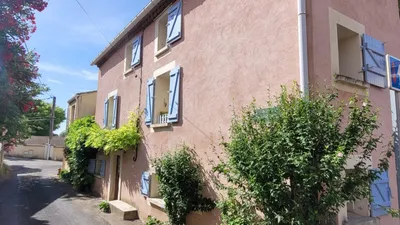
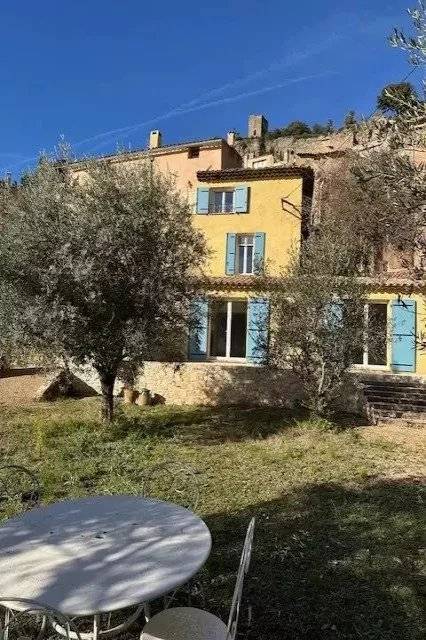
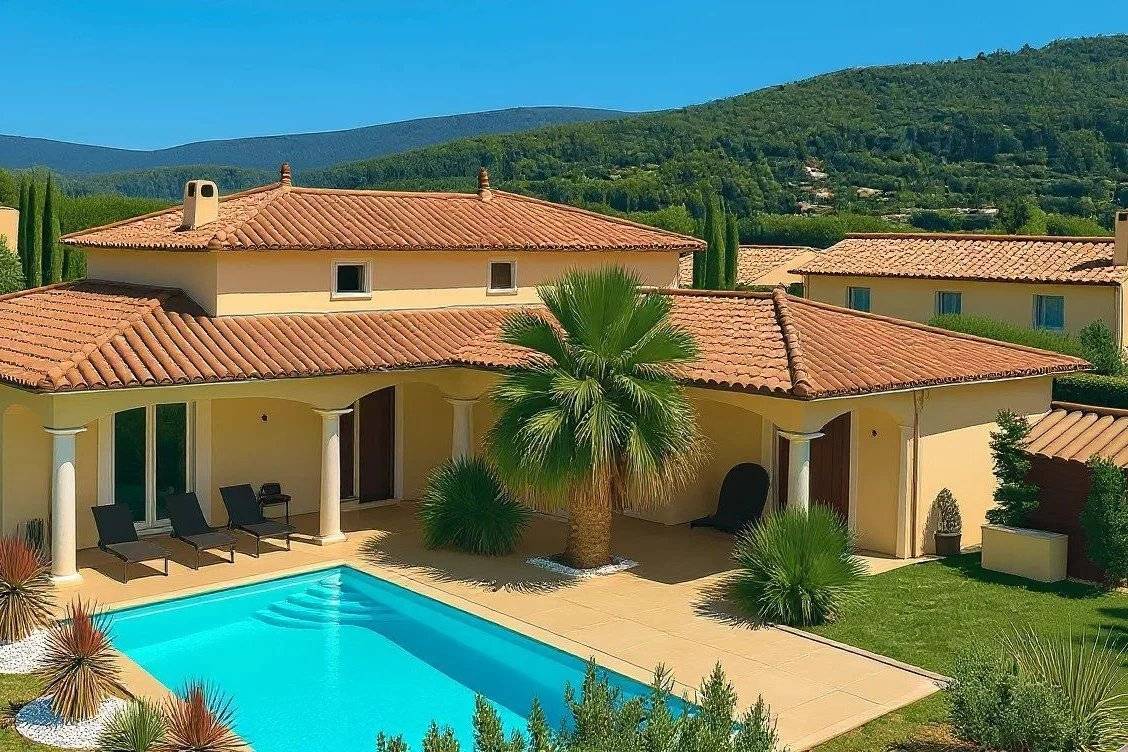
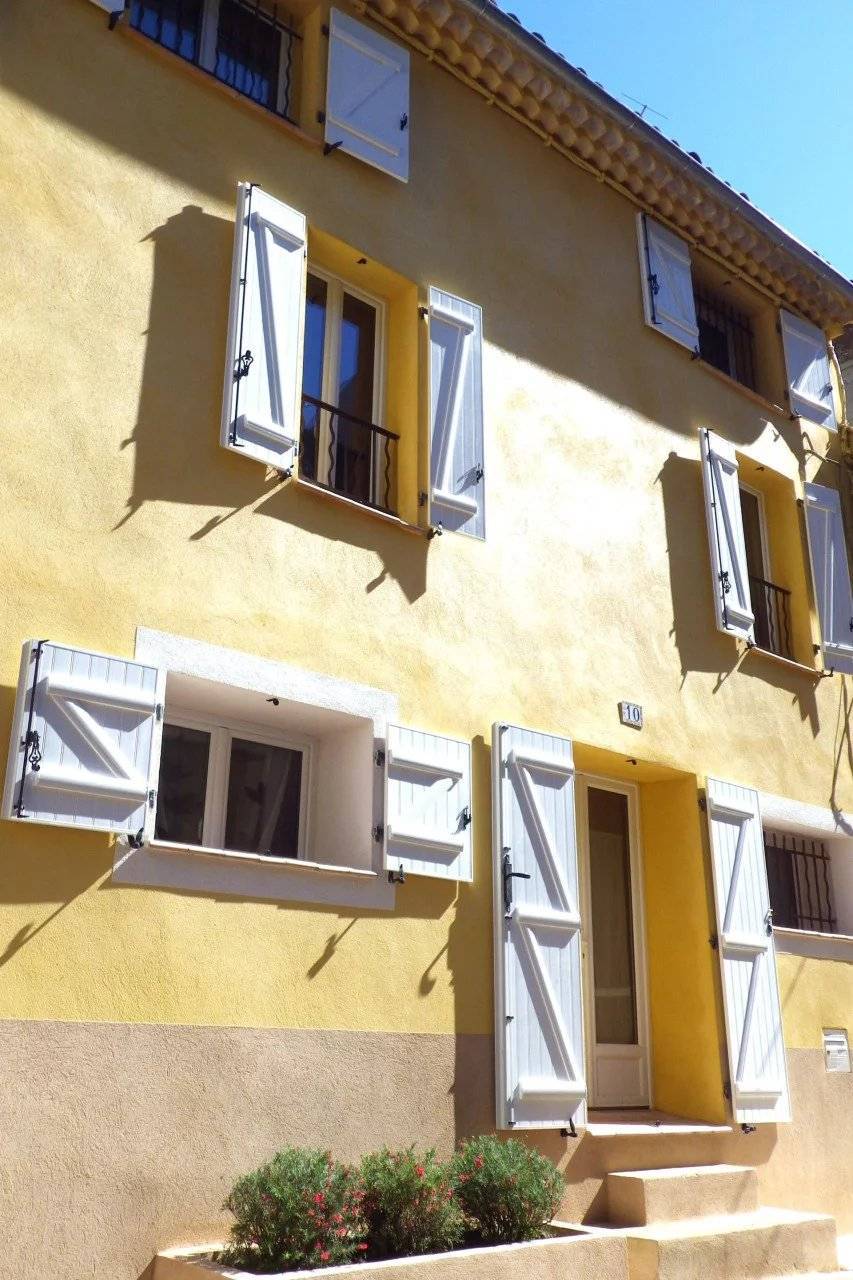
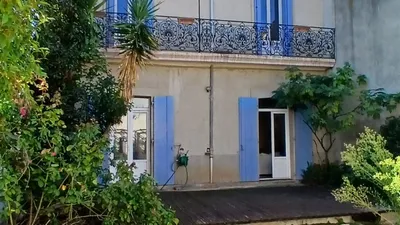
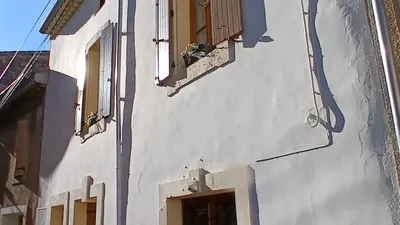
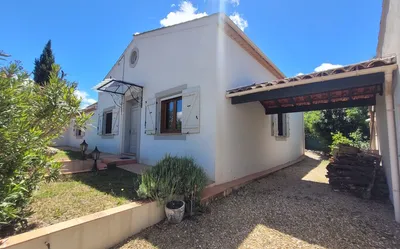
This charming townhouse, dating back to the early 20th century, offers about 130 m² of living space on a generous 550 m² plot. Comprising three bedrooms and two bathrooms, the practical layout features a cosy living/dining room, a fitted kitchen, plus a utility room and a dedicated study/dressing room.
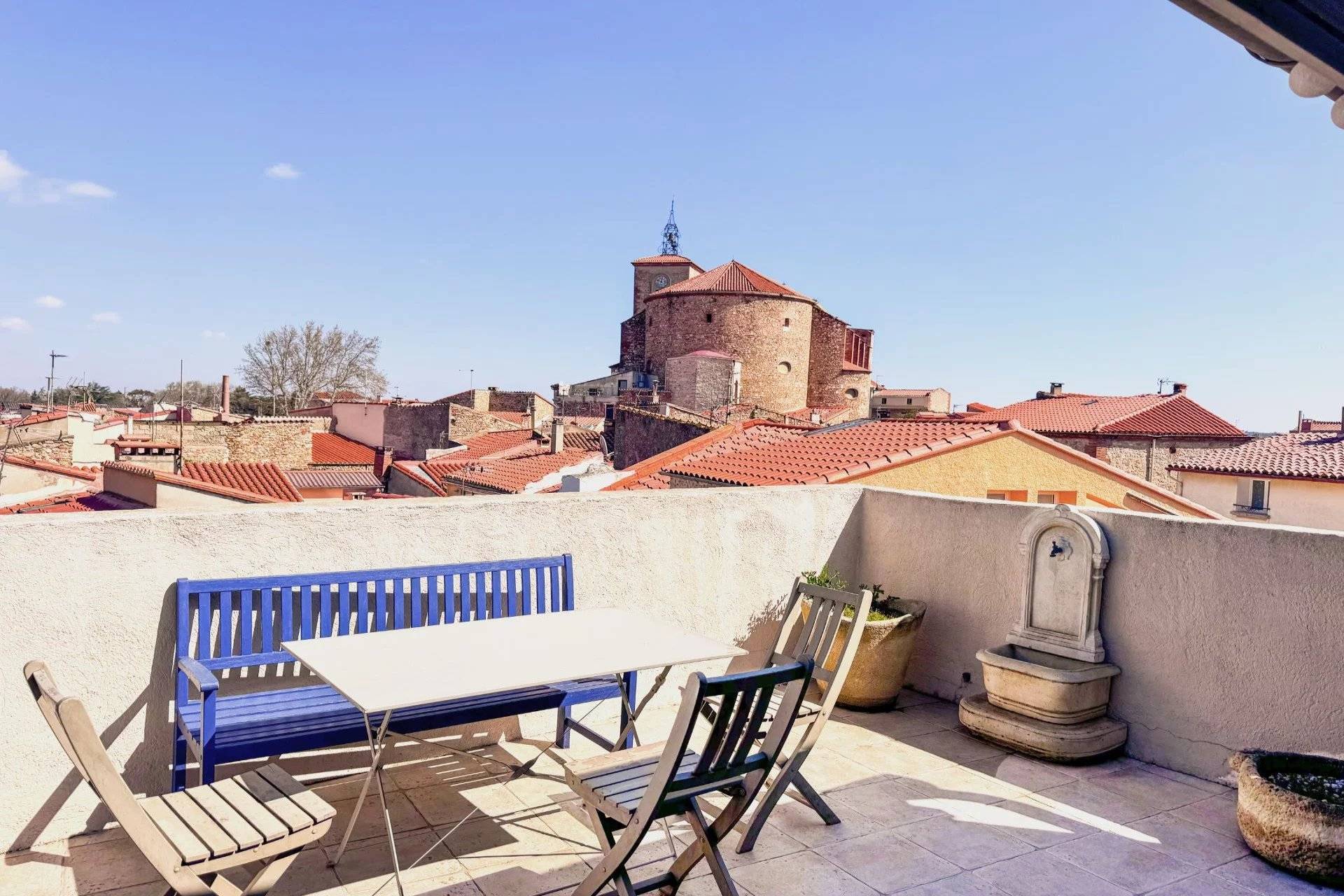
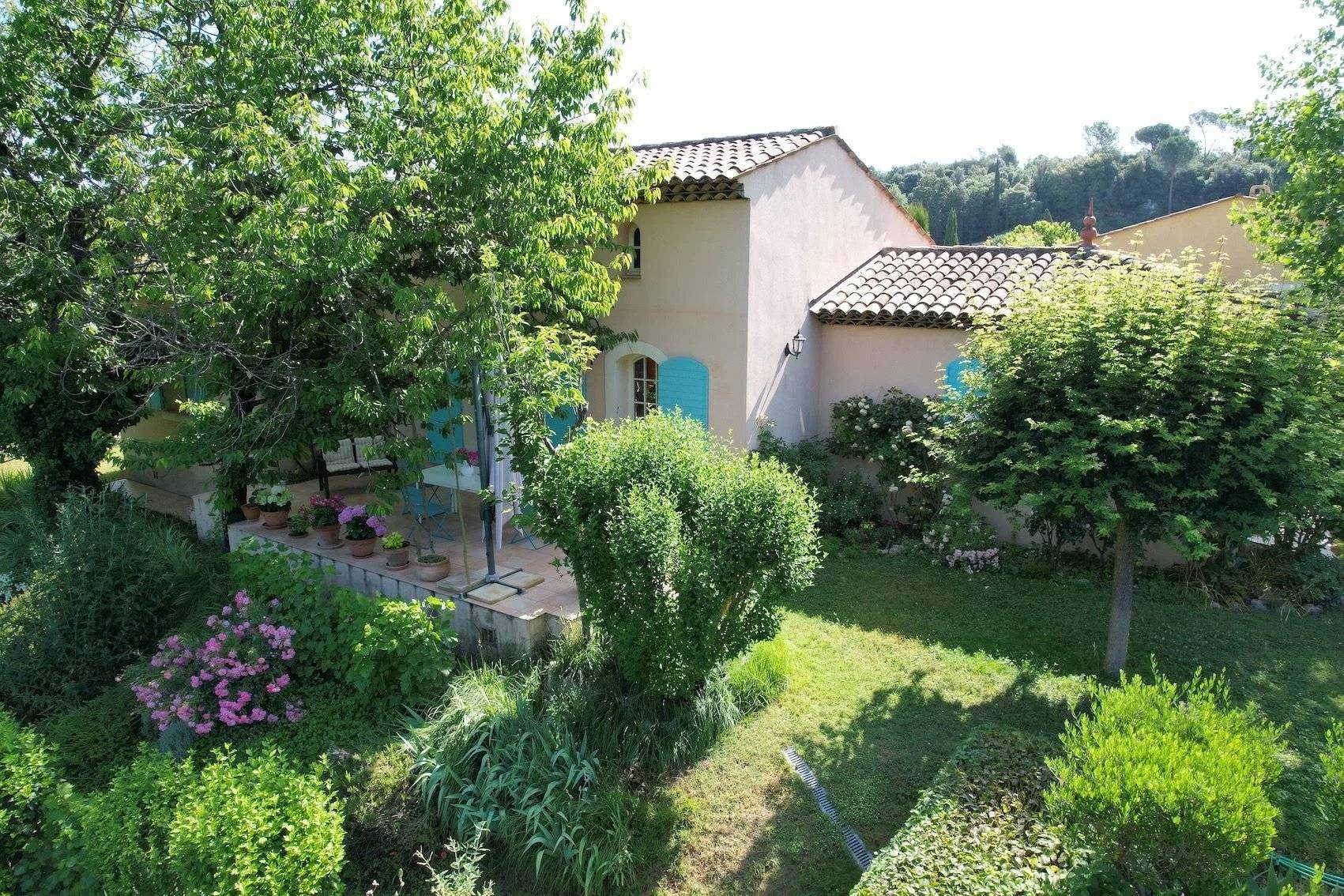
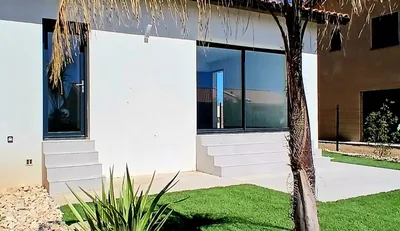
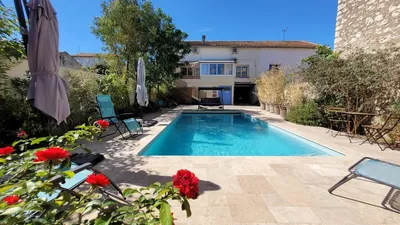
Outdoor amenities include a large 60 m² courtyard ideal for enjoying sunny days, along with a spacious summer kitchen for entertaining. The property also boasts several outbuildings: a 76 m² stone built shed with the option to create two additional levels, an annex that could be converted into a gîte, and a workshop suitable for transformation into a kitchen/living area.
Located just 10 minutes from the village centre, 25 minutes from Béziers, and 20 minutes from Narbonne, this property offers accessibility to local amenities and beautiful beaches within a half-hour drive. With its blend of charm and potential, this townhouse stands as a perfect option for both family living and investment opportunities.
What this place offers
- courtyard
- summer kitchen
- outbuildings
- fitted kitchen
- air conditioning
- private parking
Where you’ll be
Capestang, Languedoc-Roussillon, France
Location is approximate — exact address is confirmed by the agent.
Open in Google MapsBuying property in France
France places no restrictions on foreign property ownership. The notaire (a public official, not a lawyer for either side) handles the conveyance and is paid by the buyer. A French bank account is strongly recommended for completion funds and ongoing charges.
No residency requirement to buy.
Non-resident mortgages available from French banks, typically 70–80% LTV with stricter affordability checks.
France abolished taxe d'habitation on primary residences (2023) but it still applies to second homes — and many communes now apply a surcharge of up to 60% on second homes in high-demand zones.
General guidance only — confirm specifics with a qualified local lawyer or tax adviser. Reference