Who Can Buy Property in Morocco? Rules for Foreign Buyers
Morocco is one of the more open property markets in North Africa: foreign buyers can own most homes outright, with full freehold title. The two big exceptions are agricultural land, which foreigners cannot buy for farming, and the practical question of how a property is titled.
This guide covers who can buy, the difference between a registered titre foncier and traditional melkia ownership, and the checks that matter before you hand over a deposit.

Foreigners can buy freehold, with one big exception
Morocco permits foreign individuals and foreign companies to own property in their own name, according to the US State Department 2024 Investment Climate Statement. There is no requirement to take a Moroccan partner for a house or flat, and ownership is freehold rather than leasehold.
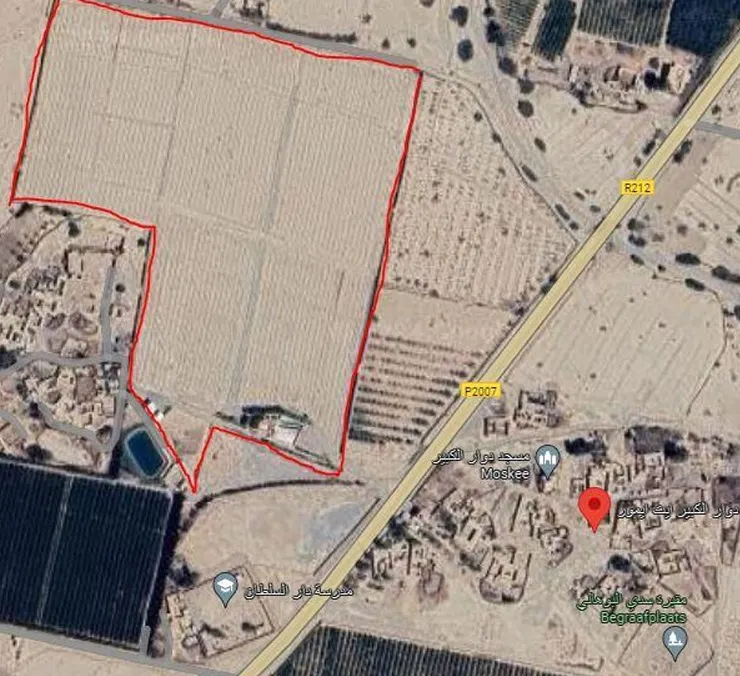
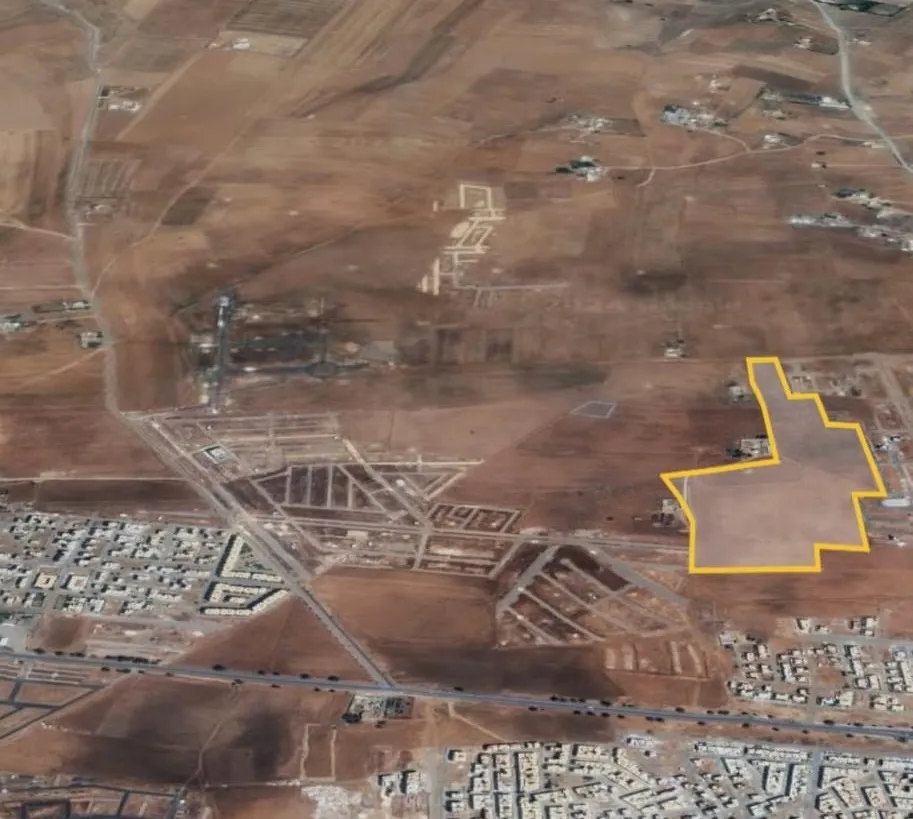
The exception is agricultural land. Foreigners cannot buy farmland as such: agricultural property can only be acquired for a non-agricultural project, after obtaining a certificate confirming the non-agricultural use.
In practice this matters most outside the cities. A country house with olive groves or a rural plot near Marrakech may sit on land classed as agricultural, so the certificate process needs to be built into your timeline and your lawyer should check the land classification early.
Titre foncier versus melkia: know what you are buying
Morocco runs two systems of ownership side by side. A titre foncier is a title registered with the national land registry, the ANCFCC, and gives the strongest protection. Coverage is far from universal: roughly 30 per cent of land is registered in the formal system, almost all of it in urban areas, according to the US State Department.
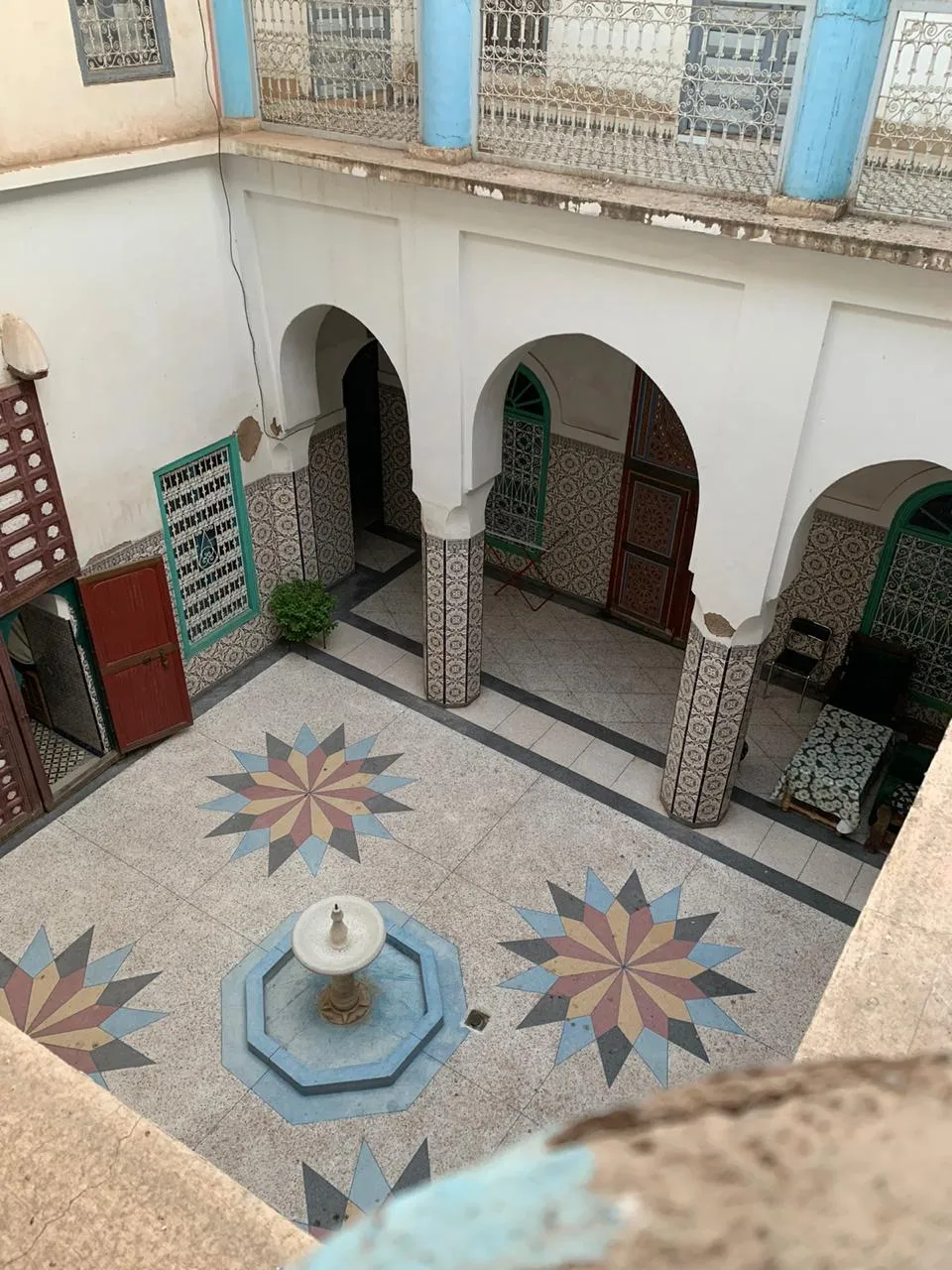
Melkia (also written moulkiya) is traditional ownership evidenced by deeds drawn up by adouls, Morocco's customary notaries. It is legal and widespread, and many older medina houses and riads are held this way, but it does not provide the same level of certainty as a registered title, and several heirs may hold shares in a single property.
Under Moroccan rules, an occupant of melkia land can also establish prescriptive rights after 10 years of occupation, or 40 years where family members are involved, which is one reason lawyers advise extra care with unregistered property.
Who does what in a Moroccan purchase
Sales of titled property normally complete before a notaire, a state-regulated civil-law notary who checks the title, holds the funds and registers the transfer. Traditional melkia transactions go through adouls instead, and many buyers of medina property have the melkia converted into a registered titre foncier as part of the purchase.
Be clear about what the notaire does not do. As a July 2026 analysis in Morocco World News put it, notaries formalise the sale and verify that the transfer is legal; they do not value the property or tell you whether you are overpaying.
- Use a notaire, and add an independent lawyer for any unregistered property
- Ask for an up-to-date ownership certificate from the ANCFCC land registry before committing
- Never pay a deposit in cash or without a written, notarised agreement
Pay from abroad in foreign currency: it matters later
Morocco's exchange-control body, the Office des Changes, treats the purchase of real estate by a foreign investor as a foreign investment, one of the categories recognised in its rules. When the investment is financed in foreign currency transferred from abroad, the convertibility regime guarantees the freedom to transfer the income the property generates and the proceeds when you eventually sell.
That guarantee is why advisers insist on paying through the Moroccan banking system rather than in cash: your bank transfer records are the evidence that the money came in from outside Morocco.
A market drawing more foreign buyers
Interest is rising. Prime residential values in Marrakech are up around 16 per cent since 2023, according to Knight Frank figures cited by Morocco World News in July 2026, and competition for good riads and villas increasingly comes from international buyers.
Morocco does not yet publish a comprehensive public database of final sale prices, so asking prices can be elastic. Negotiate on evidence rather than the first number quoted; Habio's Morocco listings and buyer guides are a practical place to start comparing what is actually on the market.
Frequently asked questions
Can foreigners buy property in Morocco?
Yes. Foreign individuals and companies can own residential and commercial property freehold in Morocco. The main exception is agricultural land, which foreigners can only acquire for a non-agricultural project after obtaining a certificate of non-agricultural use.
What is the difference between melkia and titre foncier?
A titre foncier is a title registered with the ANCFCC land registry and offers the strongest legal protection. Melkia is traditional ownership evidenced by deeds drawn up by adouls; it is common in old medinas but less certain, and buyers often have it converted to a registered title as part of the purchase.
Is buying a riad in a Moroccan medina risky?
Not necessarily, but many medina houses are held under melkia rather than a registered title, and several heirs may own shares in one property. Budget time and legal fees for verifying ownership and, ideally, registering the title before or at completion.
Why should I transfer my purchase money from abroad?
If a foreign buyer finances the purchase in foreign currency through the Moroccan banking system, the Office des Changes convertibility regime guarantees the right to transfer rental income and resale proceeds back out. Cash payments leave no such trail.
Can foreigners buy farmland in Morocco?
Not for farming. Agricultural land can only be acquired by foreigners for approved non-agricultural projects, with a certificate confirming the change of use. Rules can change, so check the current position with a Moroccan notaire or lawyer.
Sources
This article is general information, not legal, tax or financial advice. Markets and rules change — verify the current position with official sources before acting. Published 2 August 2026.
Homes for sale in Morocco
Live listings on Habio, updated daily.