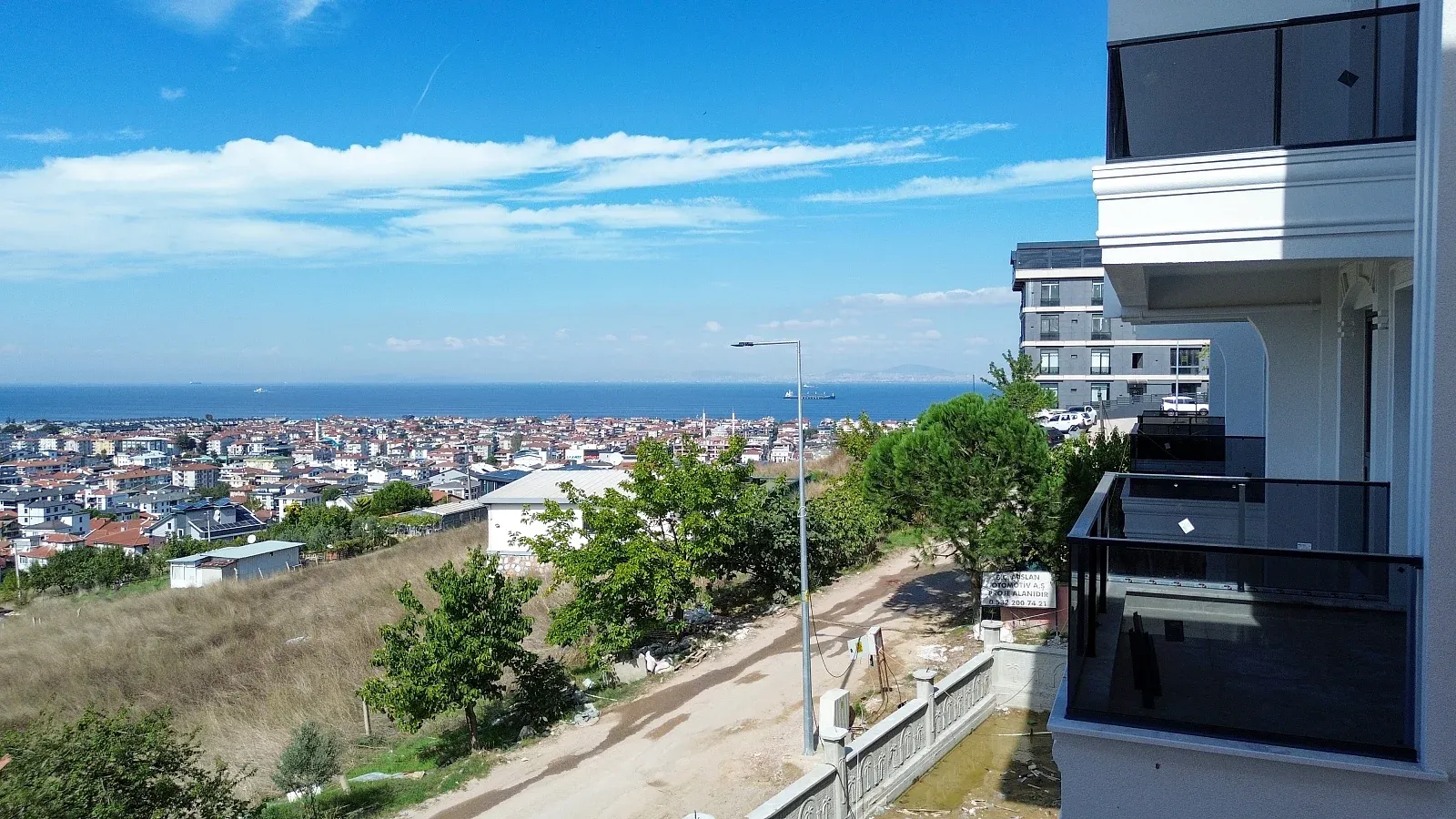
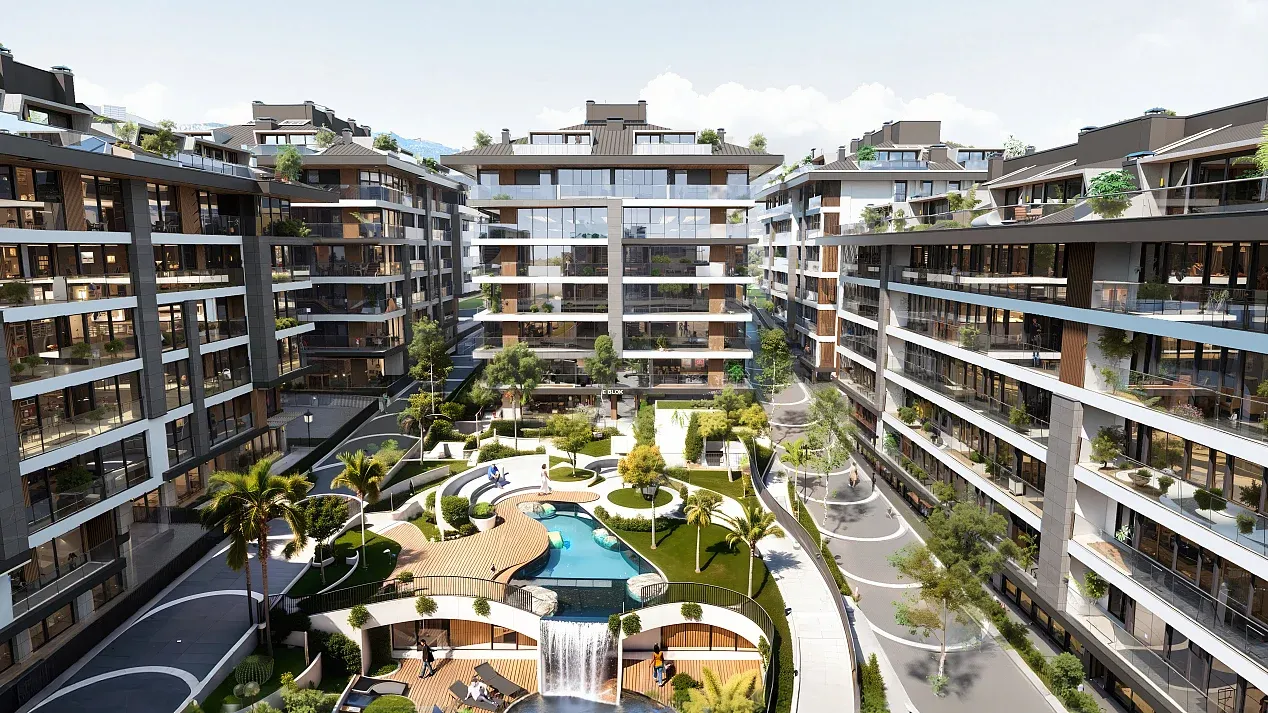
Turkey's coast: buying in Antalya, Bodrum and Fethiye
Turkey's Mediterranean and Aegean coast is where most international buyers end up: Antalya alone accounted for roughly a third of all homes sold to foreigners in 2025, and the Muğla towns of Bodrum and Fethiye have long-established international communities.
This spotlight compares the three areas, covers the money side — a lira that has weakened for years and inflation still above 30% — and lists the checks worth doing before you buy.
Where foreign buyers actually go
TurkStat data reported by Daily Sabah in January 2026 shows foreigners bought 21,534 homes in Turkey in 2025. Istanbul led with 7,989 sales, but Antalya was close behind at 7,118 — about a third of the national total — with Mersin third at 1,800.
The biggest buyer groups in 2025 were Russians (3,649 purchases), Iranians (1,878), Ukrainians (1,541), Germans (1,376) and Iraqis (1,292). British buyers tend to concentrate further west along the coast, particularly around Fethiye and the Bodrum peninsula.
Antalya: the year-round city
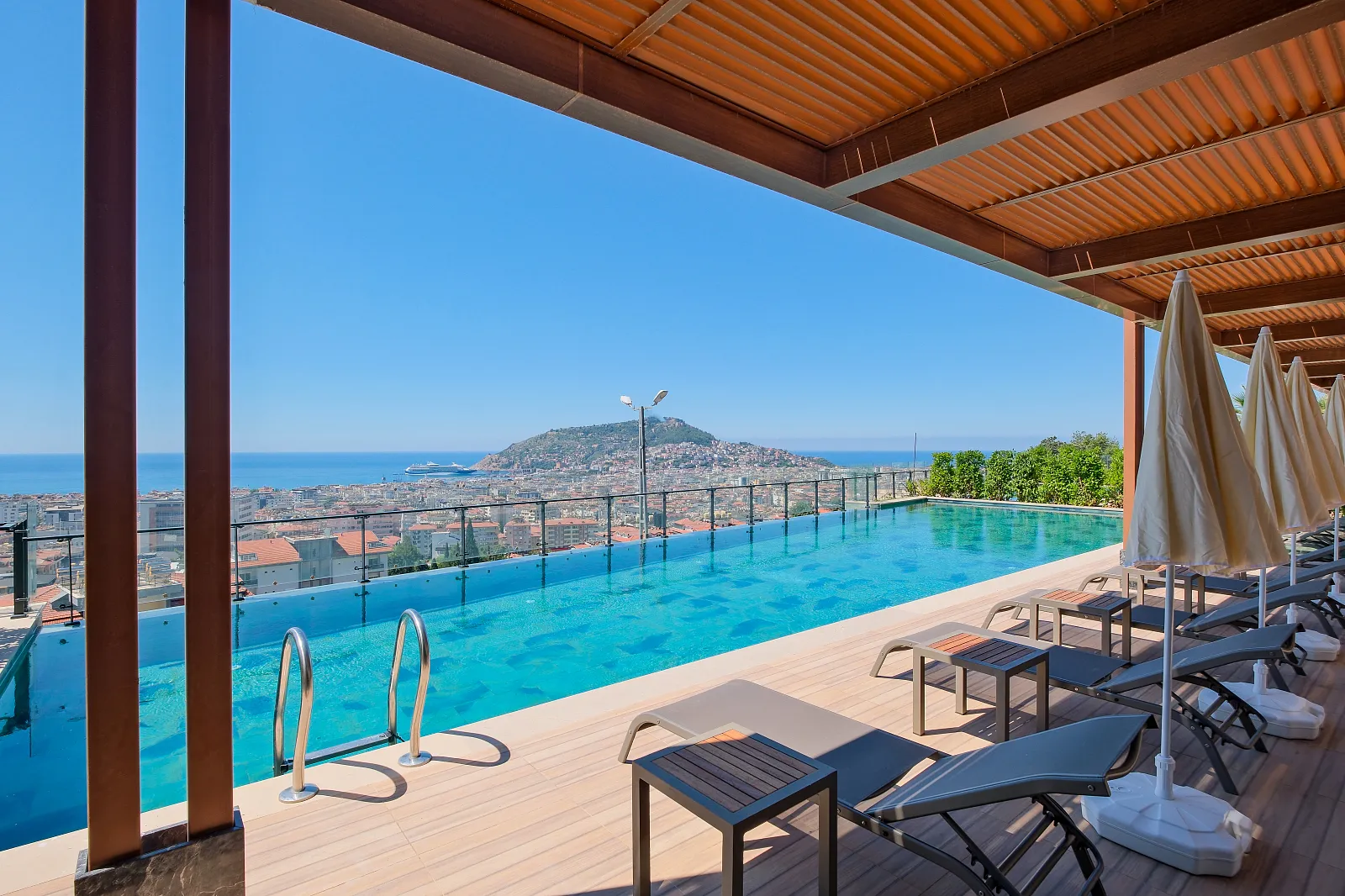
Antalya is the coast's only true year-round city: a metropolitan area with an international airport close to the seafront, city beaches at Konyaaltı and Lara, and a deep resale market that gives buyers more choice at moderate prices than anywhere else on the Turkish Mediterranean.
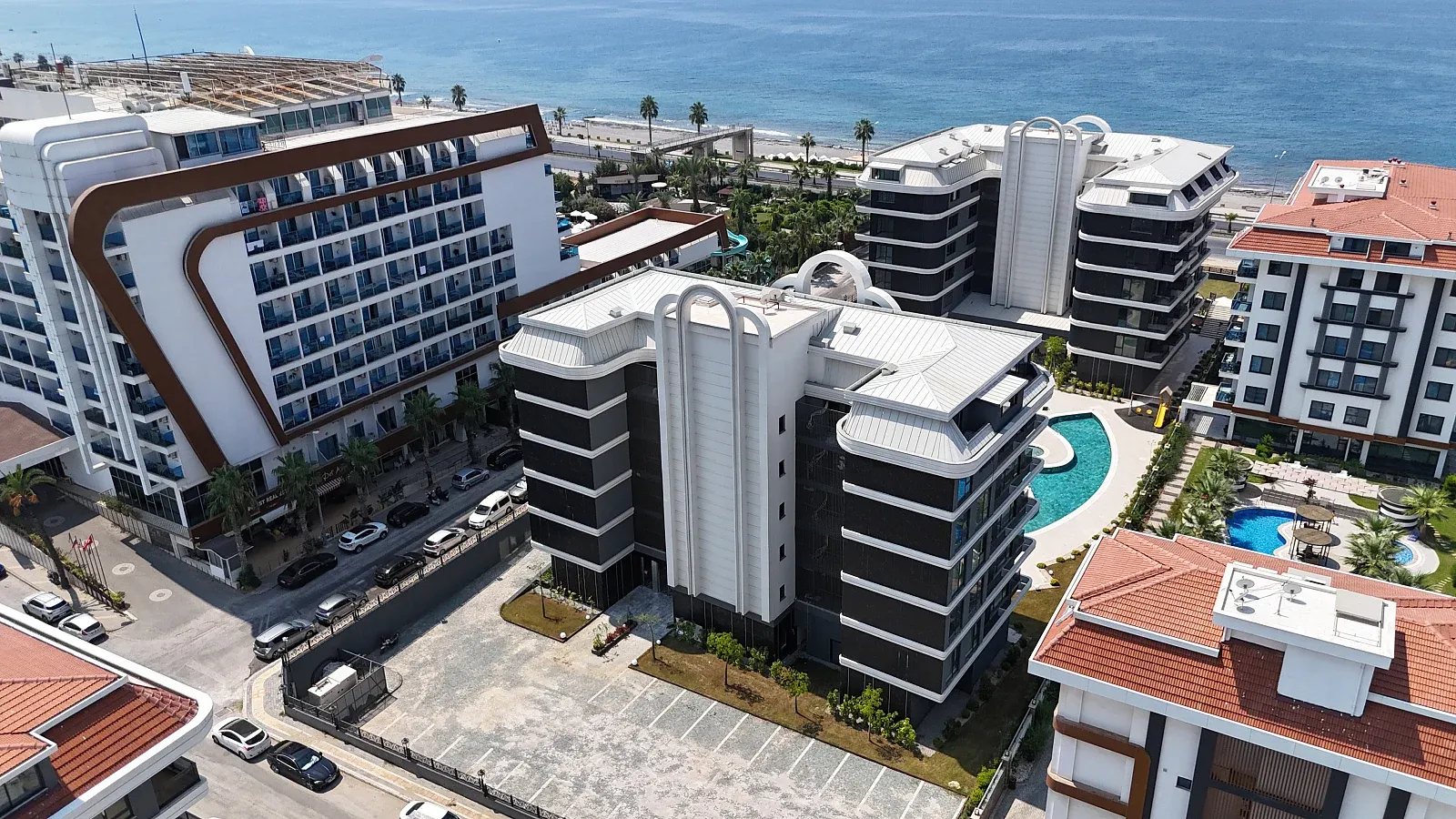
The wider province takes in Alanya and Side, both popular with northern European and Russian buyers and dominated by apartment developments near the beach. If you want rental demand outside July and August, the city itself is the safer bet.
Fethiye: the British favourite
Fethiye and its surrounding villages — Çalış with its beachfront promenade, Ovacık and Hisarönü on the road up towards Ölüdeniz, and upmarket Göcek with its marinas — host one of the largest British communities on the Turkish coast, served by Dalaman airport around 45 minutes away.
Prices are generally lower than Bodrum for comparable space, and the combination of an established expat scene, a working Turkish town and dramatic scenery is what keeps British buyers coming back.
Money matters: lira, inflation and pricing
Turkey's inflation has come down from its 2022–2023 extremes but remains high: TurkStat data compiled by Trading Economics shows annual consumer inflation of about 32% in June 2026. Coastal property is routinely marketed to foreigners in euros, pounds or dollars, which insulates the asking price from day-to-day lira moves, and the purchase money must pass through the Turkish banking system.
The weak lira cuts both ways. Running costs — utilities, maintenance, day-to-day living — are low in sterling terms, but Turkish house prices have risen steeply in lira terms in recent years, and high inflation makes like-for-like comparisons over time unreliable. Use current asking prices rather than year-old reports as your guide, and remember that rates and rules can change quickly.
Checks before you buy on the coast
Foreigners can buy freely in most coastal areas, but a few checks are essential. The government's Invest in Türkiye guide notes that foreigners cannot acquire property in military security zones, are capped at 30 hectares nationally, and that ownership supports a renewable short-term residence permit.
Residence is the catch to watch: since 2022 the migration authorities have closed a long list of neighbourhoods — more than a thousand nationally, according to residence-permit specialists Ikamet — to new foreign residence registrations where foreigners already exceed a set share of the population. If you plan to live in the home rather than just holiday in it, confirm the neighbourhood is open before you commit. Habio's area guides and Turkey listings are a useful place to compare locations.
- Confirm the neighbourhood is open for new foreign residence permit registrations
- Get the official valuation report and check the tapu for debts and annotations
- Use an independent lawyer rather than one recommended by the seller
- Budget for the 4% title deed fee and compulsory DASK earthquake insurance
Frequently asked questions
Is Antalya or Bodrum better value for buyers?
Antalya generally offers more choice at lower prices plus a year-round city and rental market; Bodrum is Turkey's premium coastal market, with villa prices at the top of the national range. Fethiye sits between the two and has the largest British community.
Does buying a home in Turkey give me residency?
Ownership supports a renewable short-term residence permit, but since 2022 many neighbourhoods with high foreign populations have been closed to new foreign residence registrations — check the specific neighbourhood with the migration authorities before buying.
Should I worry about the lira when buying on the coast?
Coastal homes are usually priced in euros, pounds or dollars, so the purchase price is largely insulated, and a weak lira keeps running costs low in sterling terms. High inflation — about 32% in June 2026 — mainly matters when comparing prices over time and for lira-denominated bills.
Is there a minimum amount foreigners must spend on a Turkish property?
No. There is no minimum purchase price for foreigners buying property in Turkey; the $400,000 figure only applies if you want to qualify for citizenship by investment.
Sources
This article is general information, not legal, tax or financial advice. Markets and rules change — verify the current position with official sources before acting. Published 2 August 2026.
Homes in the places mentioned
Homes for sale in Turkey
Live listings on Habio, updated daily.