Santiago, Valparaíso or the Lake District: Where to Buy in Chile
Chile stretches over 4,000 km from desert to fjords, but most foreign buyers end up choosing between three very different options: the capital Santiago, the port city of Valparaíso and its coastal neighbour Viña del Mar, or the Lake District in the south. Each suits a different kind of life and a different kind of purchase.
Chile's 2024 census counted 18,480,432 people and about 7.6 million dwellings nationwide, according to the national statistics institute INE - and a large share of both the population and the economy sits in and around Santiago. Here is how the three areas compare in practice.

Santiago: jobs, services and the deepest market
Santiago is where Chile's employment, private healthcare, international schools and flight connections concentrate, which makes it the default for anyone relocating for work or wanting easy logistics. The metropolitan region offers everything from high-rise flats near metro lines to houses with gardens in the eastern foothills.
Foreign buyers tend to focus on the well-served eastern and central communes - Providencia, Las Condes, Vitacura and Ñuñoa are the usual starting points - where prices are the country's highest but resale and rental demand are most reliable. Like everywhere in Chile, prices are quoted in UF, the daily inflation-indexed unit, so compare listings in UF rather than pesos.
Valparaíso and Viña del Mar: heritage by the sea
Valparaíso is unlike anywhere else on the coast: a 19th-century port built as an amphitheatre of steep hills, with a vernacular jumble of houses climbing the slopes and historic funicular lifts still running. Its historic quarter was inscribed as a UNESCO World Heritage site in 2003, protecting the urban fabric, port infrastructure and the famous hillside elevators.
Buyers here trade polish for character: the celebrated cerros such as Alegre and Concepción mix restored period houses, boutique hotels and homes needing serious renovation, so budget for surveys and works. Next door, Viña del Mar offers a more conventional seaside market of apartments and family neighbourhoods, popular for second homes within striking distance of Santiago.
The Lake District: volcanoes, lakes and lifestyle land
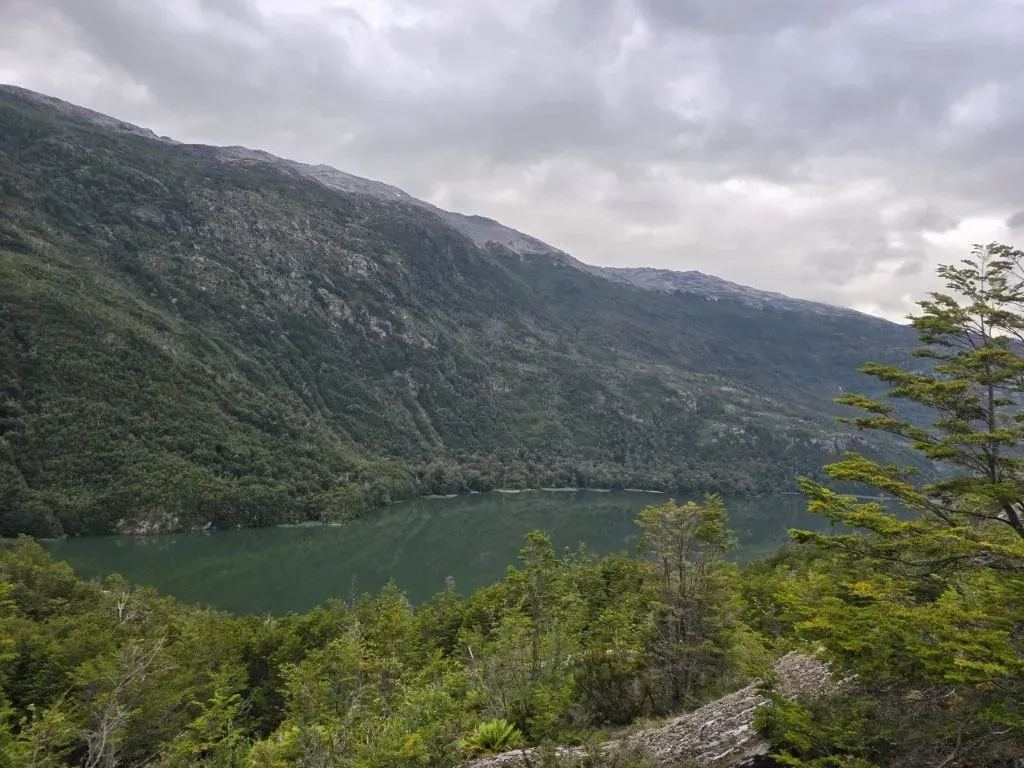
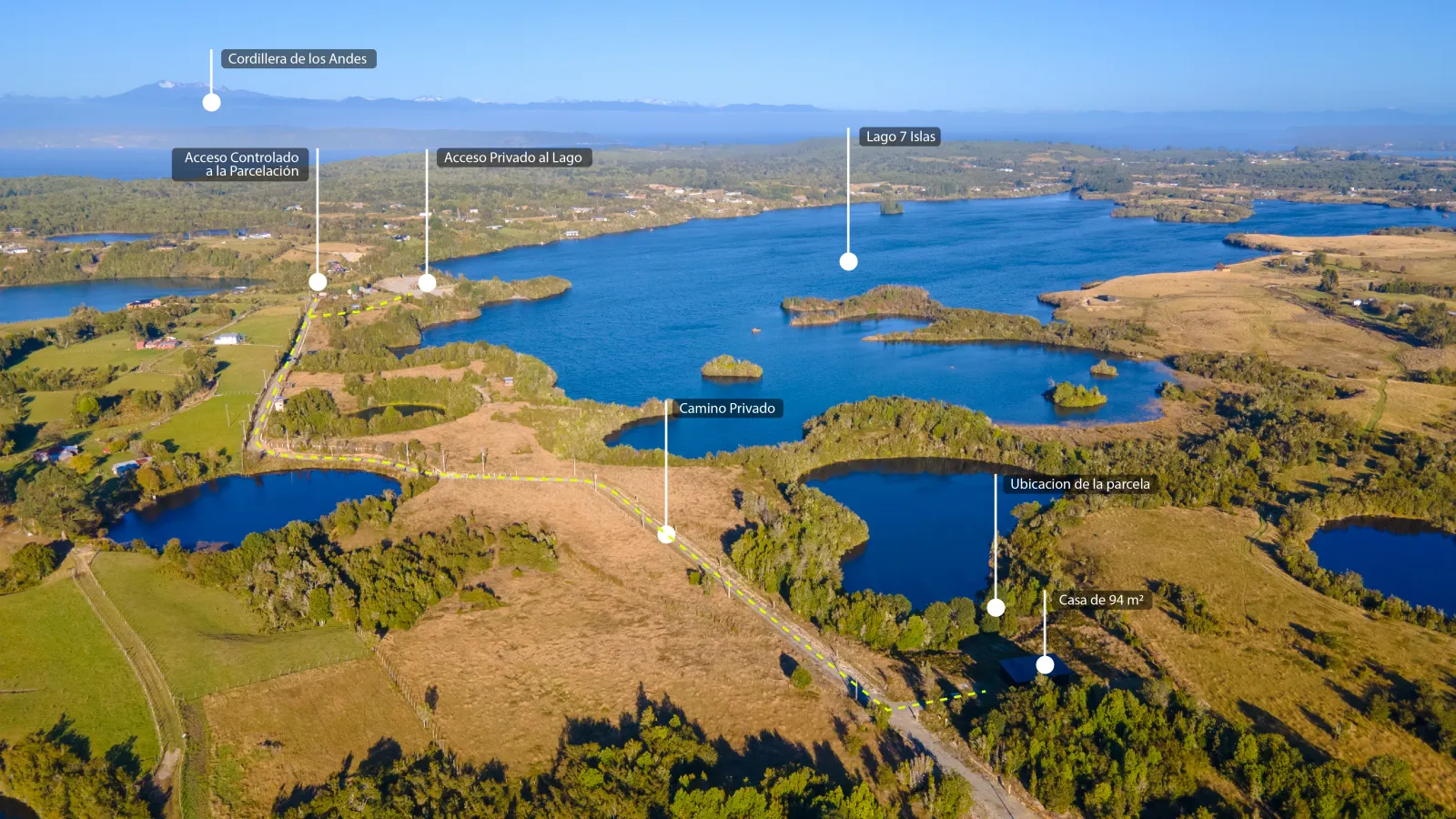
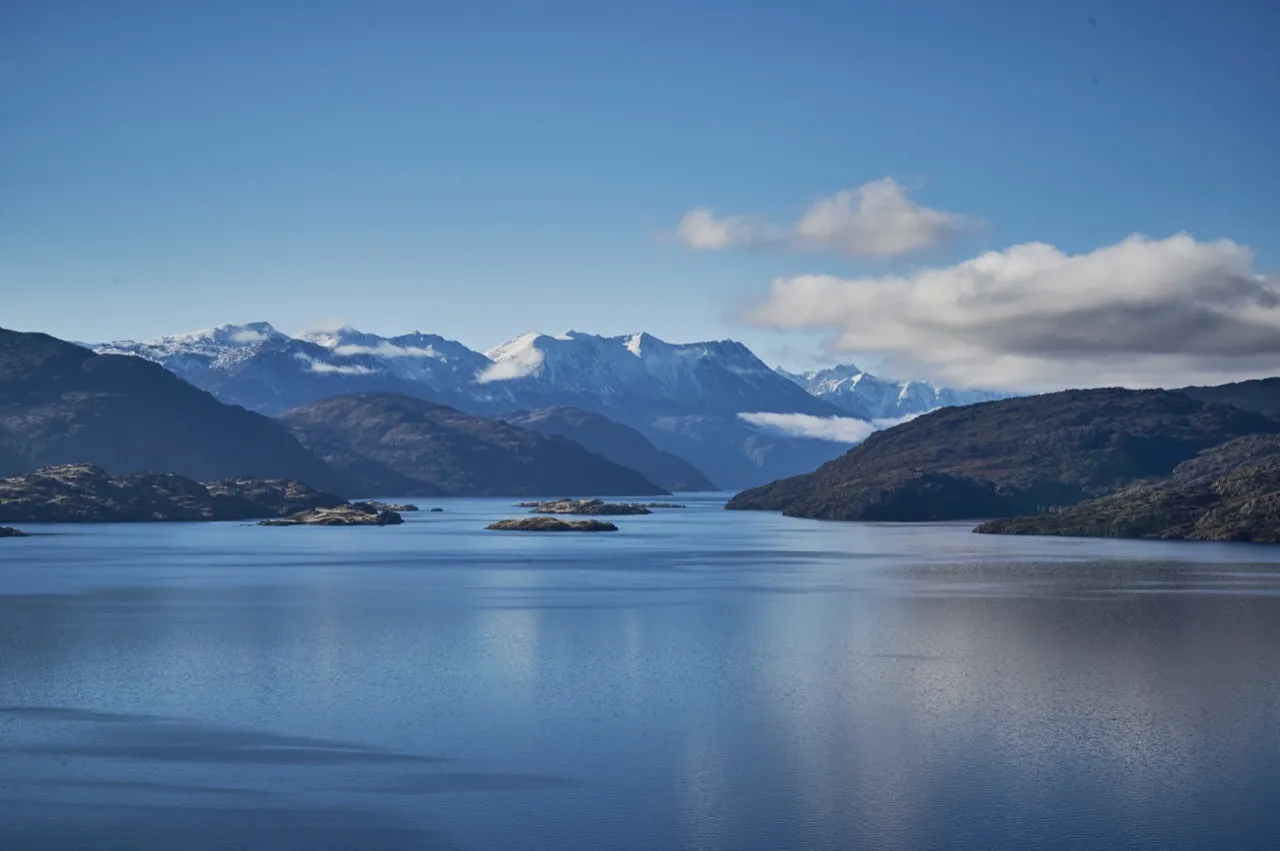
South of the Biobío the landscape turns to lakes, temperate rainforest and snow-capped volcanoes. Towns such as Pucón and Villarrica in La Araucanía and Puerto Varas and Frutillar in Los Lagos have become the heart of Chile's lifestyle and holiday-home market: lakefront houses, cabins, small farms (parcelas) and plots with volcano views.
Two practical notes. First, this is a seasonal economy - summer (December to February) is high season for visitors and holiday lets, winters are wet and quiet outside the ski areas. Second, parts of the south sit within declared border zones near Argentina; under Decreto Ley 1.939 that restriction only bars nationals of Chile's neighbouring countries from acquiring property there, so it does not affect British or other non-bordering-country buyers - DIFROL publishes the rules and a map of the zones.
Comparing the three at a glance
The right choice depends less on price per square metre than on how you will actually use the property.
- Work and schools: Santiago, clearly - the other two suit remote workers, retirees and second-home owners better.
- Character and renovation projects: Valparaíso's UNESCO-listed hills, if you have appetite for restoration and hillside logistics.
- Nature and space: the Lake District, with the most land for your money but longer distances to big-city services.
- Seasonality: Valparaíso, Viña del Mar and the lakes all have strong summer demand and quieter winters; Santiago is year-round.
- Earthquake awareness: Chile builds to strict seismic codes nationwide - ask about the age and structure of any building, especially older hillside homes.
How to choose
Visit in more than one season if you can: the lakes in July and Valparaíso on a winter weekday feel very different from their summer selves. Rent first if you are unsure - it is the cheapest way to test a neighbourhood before committing.
Wherever you land, the buying process is the same: a title study, a promesa, a notarised deed and registration at the Conservador de Bienes Raíces. You can browse Chilean listings and area guides on Habio to compare what your budget buys in each of the three markets, and always verify local rules with official sources before you commit.
Frequently asked questions
Where do most foreign buyers purchase in Chile?
The three most popular choices are Santiago (especially the eastern communes of Providencia, Las Condes, Vitacura and Ñuñoa) for work and services, Valparaíso and Viña del Mar for coastal and heritage property, and the Lake District towns such as Pucón, Puerto Varas and Frutillar for lifestyle and holiday homes.
Is Valparaíso a UNESCO World Heritage site?
Yes. The historic quarter of the seaport city of Valparaíso was inscribed by UNESCO in 2003, protecting its hillside urban fabric, port infrastructure and historic funicular elevators.
Can foreigners buy property in southern Chile near the Argentine border?
Yes, unless they are nationals of a country bordering Chile (Argentina, Bolivia or Peru). Under Decreto Ley 1.939, only bordering-country nationals and entities they control are barred from acquiring property in declared border zones; other foreigners can buy freely. DIFROL publishes the zone map.
Which area is better for holiday rental income?
Valparaíso, Viña del Mar and the Lake District all see strong demand in the southern-hemisphere summer (December to February), with much quieter winters. Santiago has steadier year-round rental demand driven by work and study rather than tourism. Run the numbers on realistic seasonal occupancy before buying.
How big is Santiago compared with the rest of Chile?
Chile's 2024 census counted 18,480,432 people nationwide, per INE, and the Santiago metropolitan region concentrates a large share of the population along with most corporate employment, international schools and flight connections.
Sources
This article is general information, not legal, tax or financial advice. Markets and rules change — verify the current position with official sources before acting. Published 2 August 2026.
Homes for sale in Chile
Live listings on Habio, updated daily.