Punta Cana, Las Terrenas or Cabarete: where to buy in the DR
Most foreign buyers in the Dominican Republic end up choosing between three very different coastal markets: Punta Cana in the east, Las Terrenas on the Samaná Peninsula in the north-east, and Cabarete on the north coast. All three are open to foreign ownership on equal terms with Dominican citizens.
The right choice depends less on price than on what you want from the place: Punta Cana is built around international tourism and flight connectivity, Las Terrenas around a cosmopolitan beach-town lifestyle, and Cabarete around water sports and a smaller, more independent scene.

Punta Cana: connectivity and a tourism economy at scale
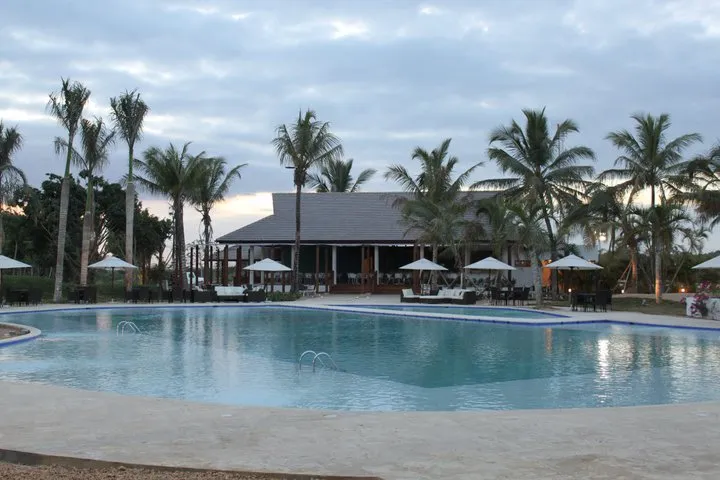
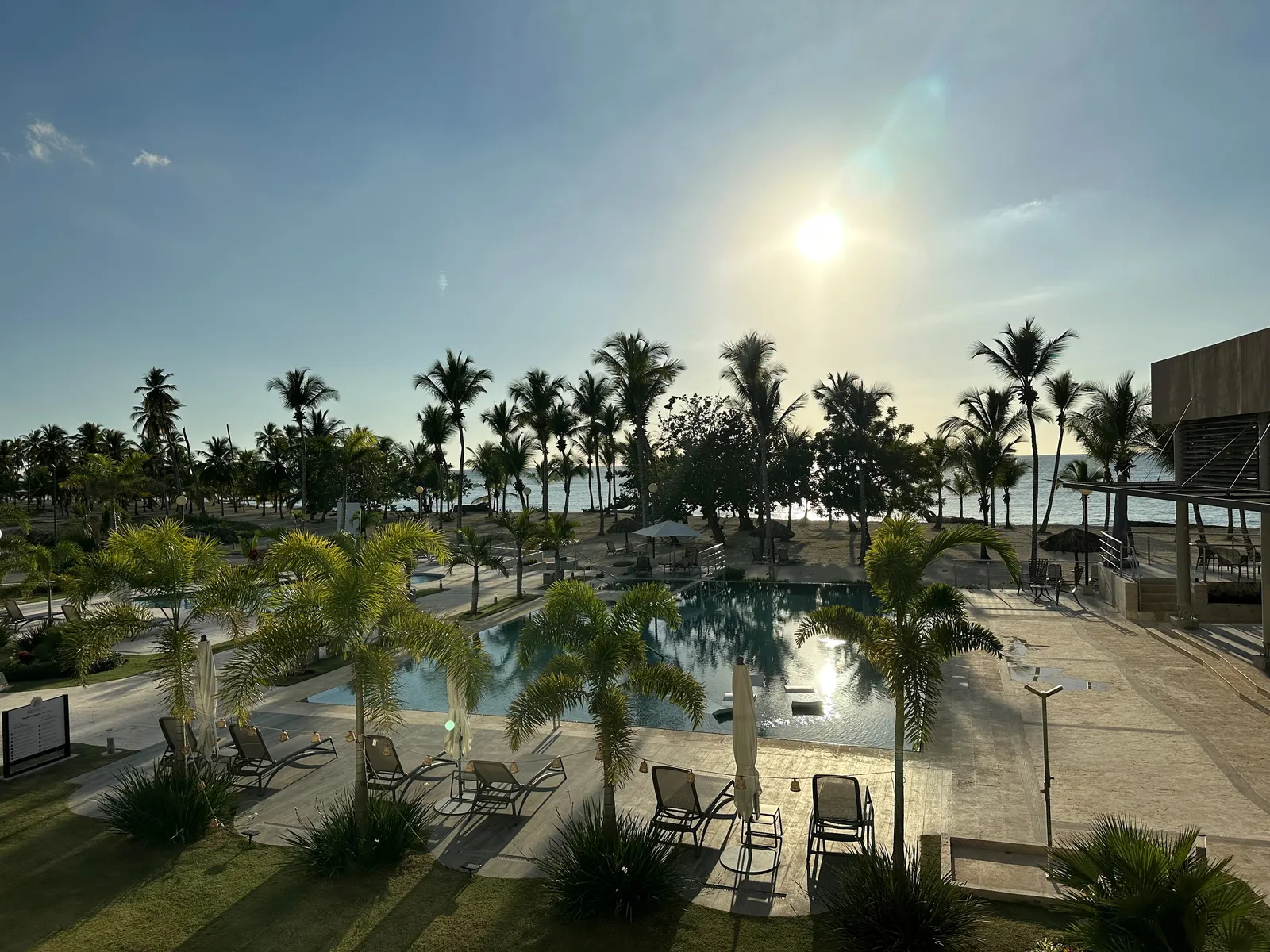
Punta Cana is the country's tourism engine. The official tourism board describes more than 50 kilometres of white-sand beaches along this coast, from the main resort strip at Bávaro to Macao (a surf beach) and the calm waters of Juanillo, and calls Punta Cana International Airport (PUJ) the best-connected airport in the Caribbean and Central America, with flights from 26 countries. The airport's own site reports an average of around 20,000 passengers a day.
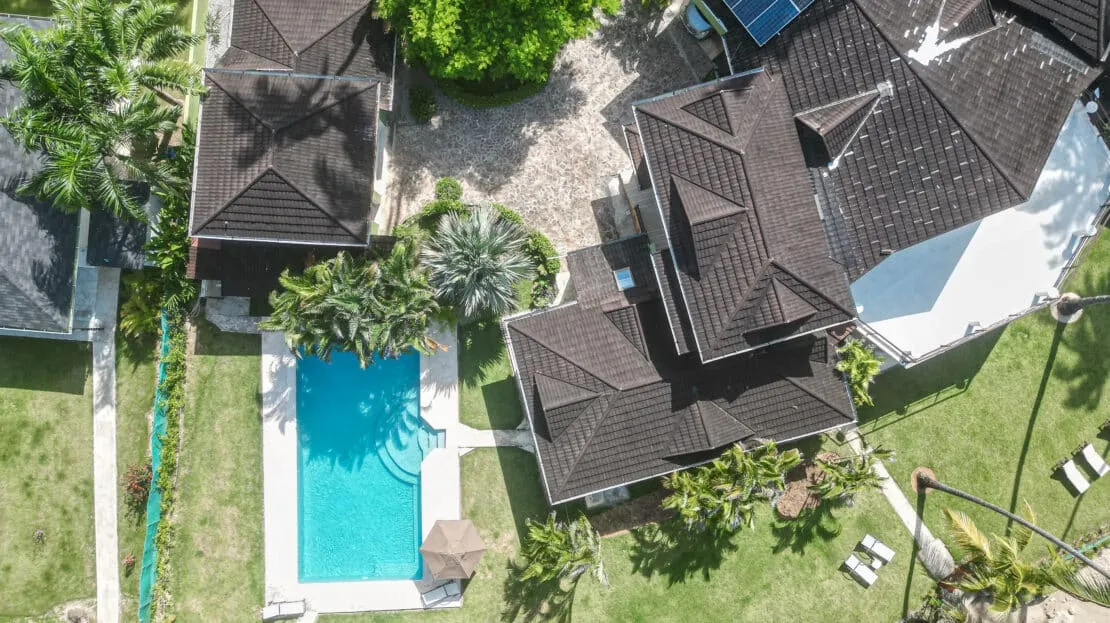
For buyers, that translates into the country's deepest short-let market: a huge, year-round flow of visitors, championship golf at courses such as Corales and La Cana, and a large stock of new-build condos and gated communities — many marketed with CONFOTUR tax-incentive approval. The trade-off is that much of the area is purpose-built resort territory rather than an organic town.
- Best for: rental income, lock-up-and-leave condos, golf
- Access: direct flights from the UK, Europe and North America into PUJ
- Driest season December–April, with year-round warm temperatures
Las Terrenas: the cosmopolitan beach town
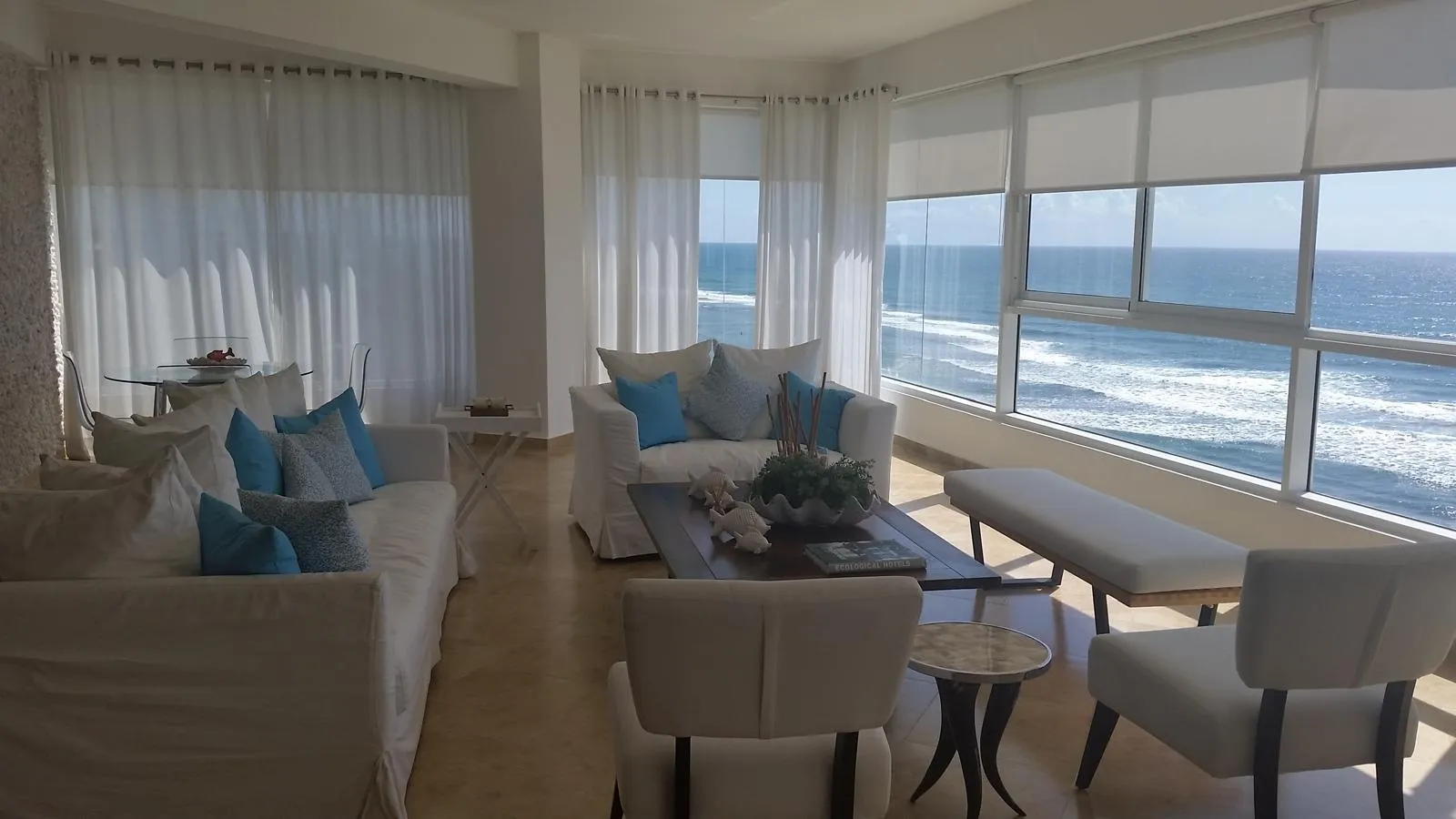
Las Terrenas sits on the Samaná Peninsula in the north-east, a region the tourism board promotes for dramatic nature rather than mega-resorts: humpback whales visit Samaná Bay from January to March, the El Limón waterfall is reached on foot or horseback, and Playa Rincón nearby is rated among the country's most beautiful beaches.
The town itself is a genuine community with a long-established European resident population, low-rise apartments and villas rather than resort towers, and restaurants and small businesses run by locals and expats alike. Access has improved markedly: El Catey International Airport (AZS) serves the peninsula, and the Santo Domingo–Samaná highway puts the capital about 2.5–3 hours away by road.
- Best for: full-time or part-year living, villas, a walkable town
- Whale-watching season (January–March) supports a strong winter rental peak
- Fewer direct long-haul flights than Punta Cana — many trips route via Santo Domingo or El Catey
Cabarete: water sports and a smaller market
Cabarete, on the north coast east of Puerto Plata, is the Dominican Republic's water-sports hub, known internationally for kitesurfing and windsurfing conditions, with the beach town of Sosúa a short drive away. The tourism board highlights the north coast for water sports and coastal experiences, with a high season from December to April and temperatures of 24–30°C.
Property here tends to be cheaper than in Punta Cana or Las Terrenas for comparable space, with a mix of beachfront condos and hillside villas. The buyer profile skews towards active lifestyles and long-stay winter visitors rather than mass tourism. Gregorio Luperón International Airport (POP) at Puerto Plata serves the coast, though with fewer routes than Punta Cana.
- Best for: value, surf-town lifestyle, long-stay winter lets
- A smaller resale market — plan for longer selling times
- Check title and deslinde status carefully on older north-coast properties
Practicalities that apply everywhere
Foreigners can buy in all three areas with no restrictions, and the buying process is the same: a title search at the Registry of Titles, a 3% transfer tax on the government-appraised value, and registration of the sale to complete the transfer. In tourist zones, many new developments hold CONFOTUR approval, which can exempt buyers from the transfer tax and annual property tax for a period — always verify the approval documents and remaining years.
Prices, rental rules and tax thresholds change, so treat any figures as a starting point and confirm the current position with a Dominican lawyer. You can compare current listings and read area guides for the Dominican Republic on Habio.
Frequently asked questions
Which Dominican Republic area is best for rental income?
Punta Cana has the deepest short-let market thanks to its airport, which handles around 20,000 passengers a day and receives flights from 26 countries. Las Terrenas and Cabarete have strong winter seasons but smaller visitor flows.
Which area is easiest to reach from Europe?
Punta Cana — PUJ is described by the tourism board as the best-connected airport in the Caribbean and Central America. Las Terrenas uses El Catey (AZS) or a 2.5–3 hour drive from Santo Domingo; Cabarete uses Puerto Plata (POP).
When is whale-watching season in Samana?
Humpback whales visit Samaná Bay from January to March, which is also the peak rental period for Las Terrenas.
Can foreigners buy property in all three areas?
Yes. Foreigners have the same ownership rights as Dominican citizens everywhere in the country, with no residency requirement. The same title checks, 3% transfer tax and registration process apply in each area.
Is Cabarete cheaper than Punta Cana?
Generally, north-coast property around Cabarete offers more space for the money than Punta Cana or Las Terrenas, but the resale market is smaller. Compare like-for-like listings and budget for careful title checks on older properties.
Sources
This article is general information, not legal, tax or financial advice. Markets and rules change — verify the current position with official sources before acting. Published 2 August 2026.
Homes for sale in Dominican Republic
Live listings on Habio, updated daily.