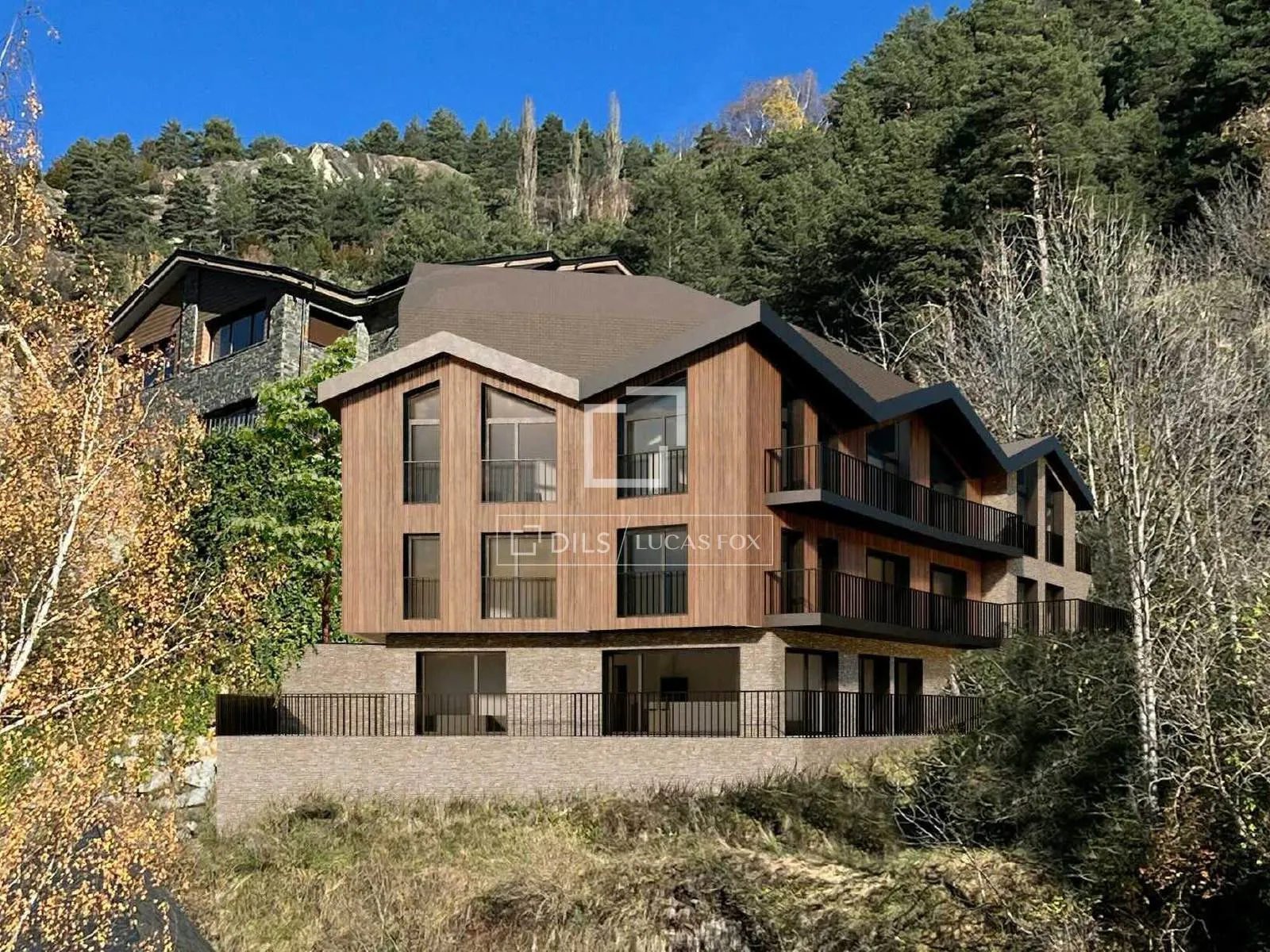
Living in Andorra: taxes, lifestyle and ski towns
Andorra packs 85,000 or so people into a mountain microstate between France and Spain, and it attracts movers for two simple reasons: income tax tops out at 10%, and the outdoors starts at the front door. The trade-offs are real too, from a small housing market with rising prices to winters that demand snow tyres.
Here is an honest picture of taxes, housing costs and daily life, with a closer look at the two parishes most incomers shortlist for mountain living: La Massana and Ordino.

The tax picture
Personal income tax (IRPF) for residents is charged at 0% on the first 24,000 euros, effectively 5% between 24,000 and 40,000 euros via a capped relief, and 10% above that, according to Andorran advisory firm Invico. The first 3,000 euros of savings income each year is exempt, with the rest taxed at a flat 10%.
There is no wealth tax, no inheritance tax and no gift tax, and the standard rate of Andorra's VAT equivalent (IGI) is 4.5%, among the lowest in Europe. To be taxed as an Andorran resident you generally need to spend more than 183 days a year in the country or have your centre of economic interests there; simply holding a residence permit is not enough.
- IRPF: 0% to 24,000 euros, then an effective 5%, then 10% above 40,000 euros
- Savings income: first 3,000 euros exempt, then 10%
- No wealth, inheritance or gift tax
- IGI (VAT equivalent): 4.5% standard rate
- Tax residency: over 183 days a year, or centre of economic interests
What homes cost in 2026
Official statistics reported by the Andorran news outlet Alto put the average apartment price at about 4,416 euros per square metre in the first quarter of 2026, up 3% year on year, with the average across all property types at about 4,662 euros per square metre, up 11%. Transactions fell, with 492 recorded in the quarter, down 3.7% on a year earlier.
Supply is tight and prices in prime spots run well above these averages. Non-resident buyers should also budget for the foreign real estate investment tax, at least 6% since February 2026, on top of the standard 4% transfer tax. Habio's Andorra listings and buyer guides show what current asking prices look like parish by parish.
La Massana: the sociable ski base
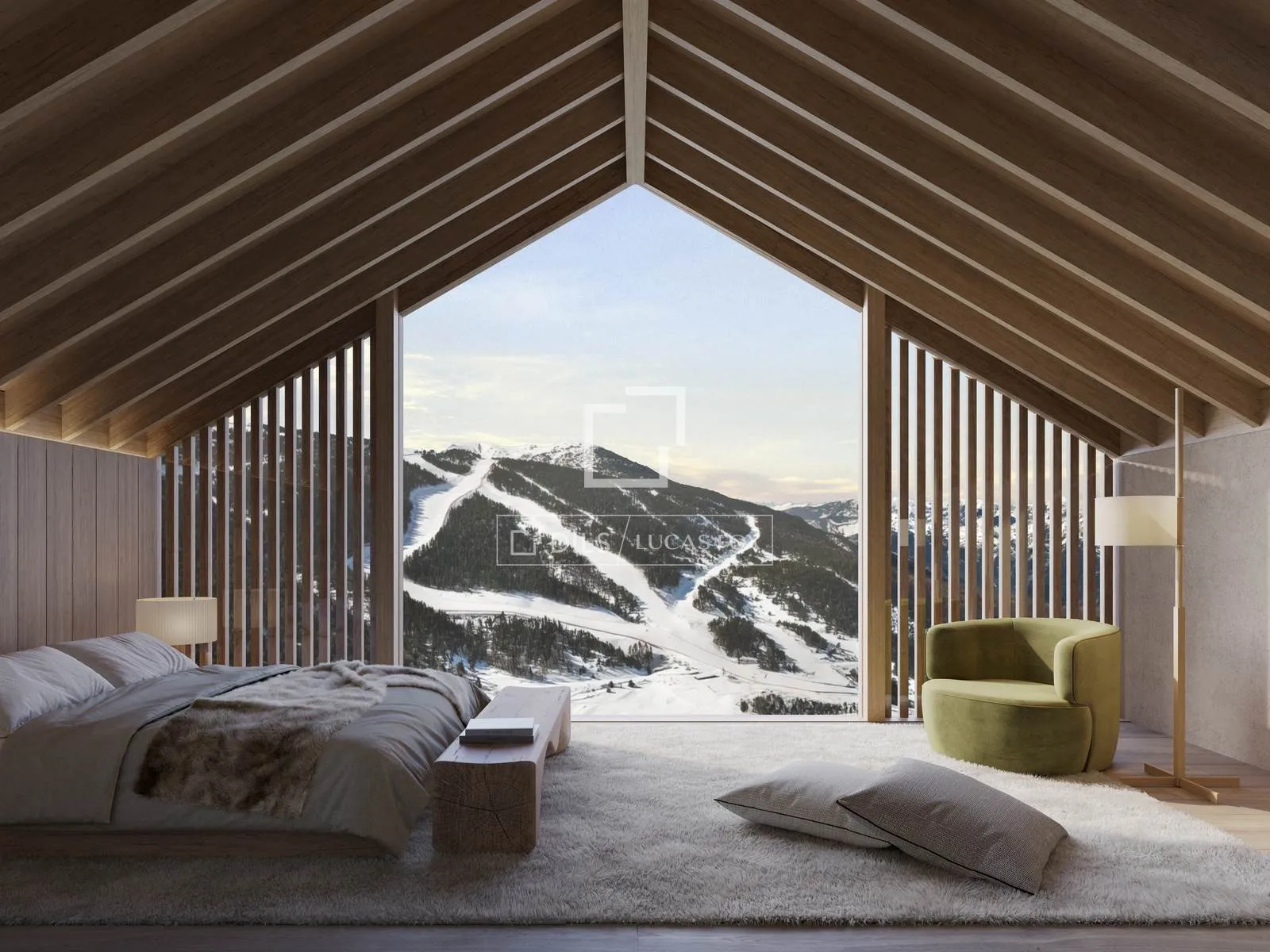
La Massana sits at around 1,200 metres, ten minutes north-west of the capital, and is the most practical base for skiers who also need everyday life to work: a proper town centre, supermarkets, schools and restaurants, plus a gondola that lifts you from the middle of town to the Pal Arinsal ski area, which markets itself as the most family-oriented resort in the Pyrenees.
Higher up the same valley, Arinsal village has a younger, more international feel and cheaper apartments than the town itself. The parish is popular with British and Dutch incomers, so English is widely heard alongside Catalan, Spanish, French and Portuguese.
Ordino: quiet valleys and Arcalis
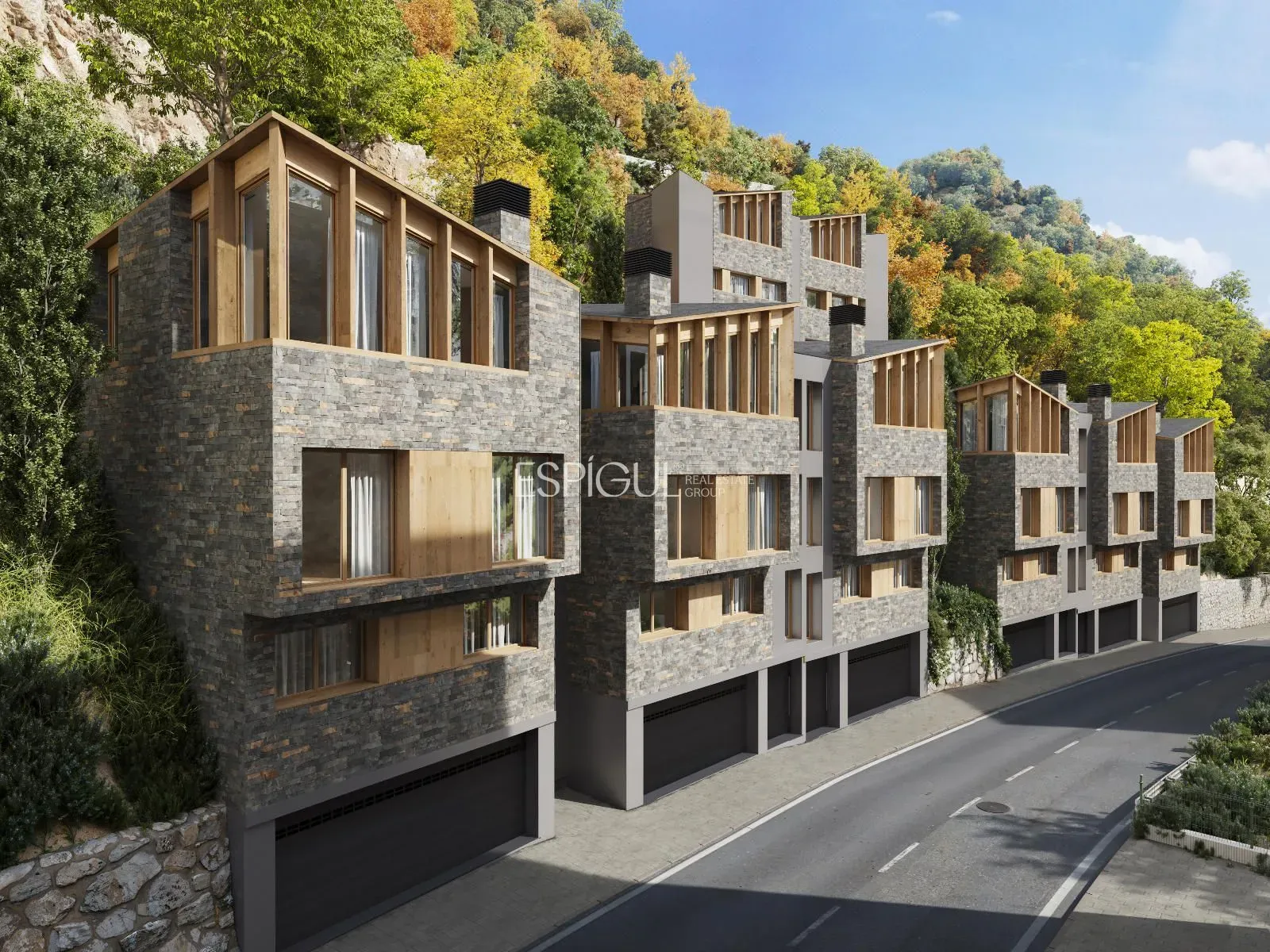
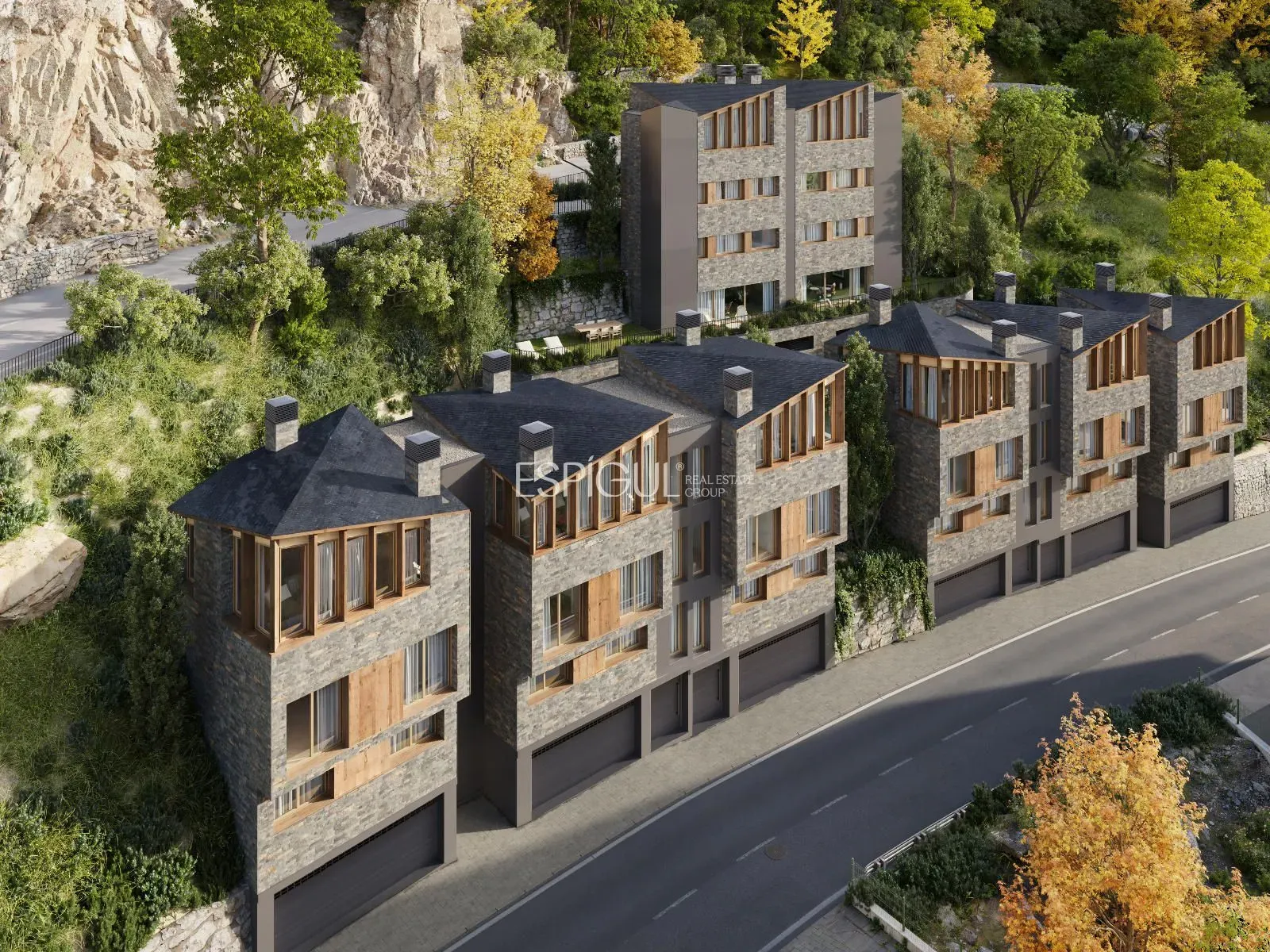
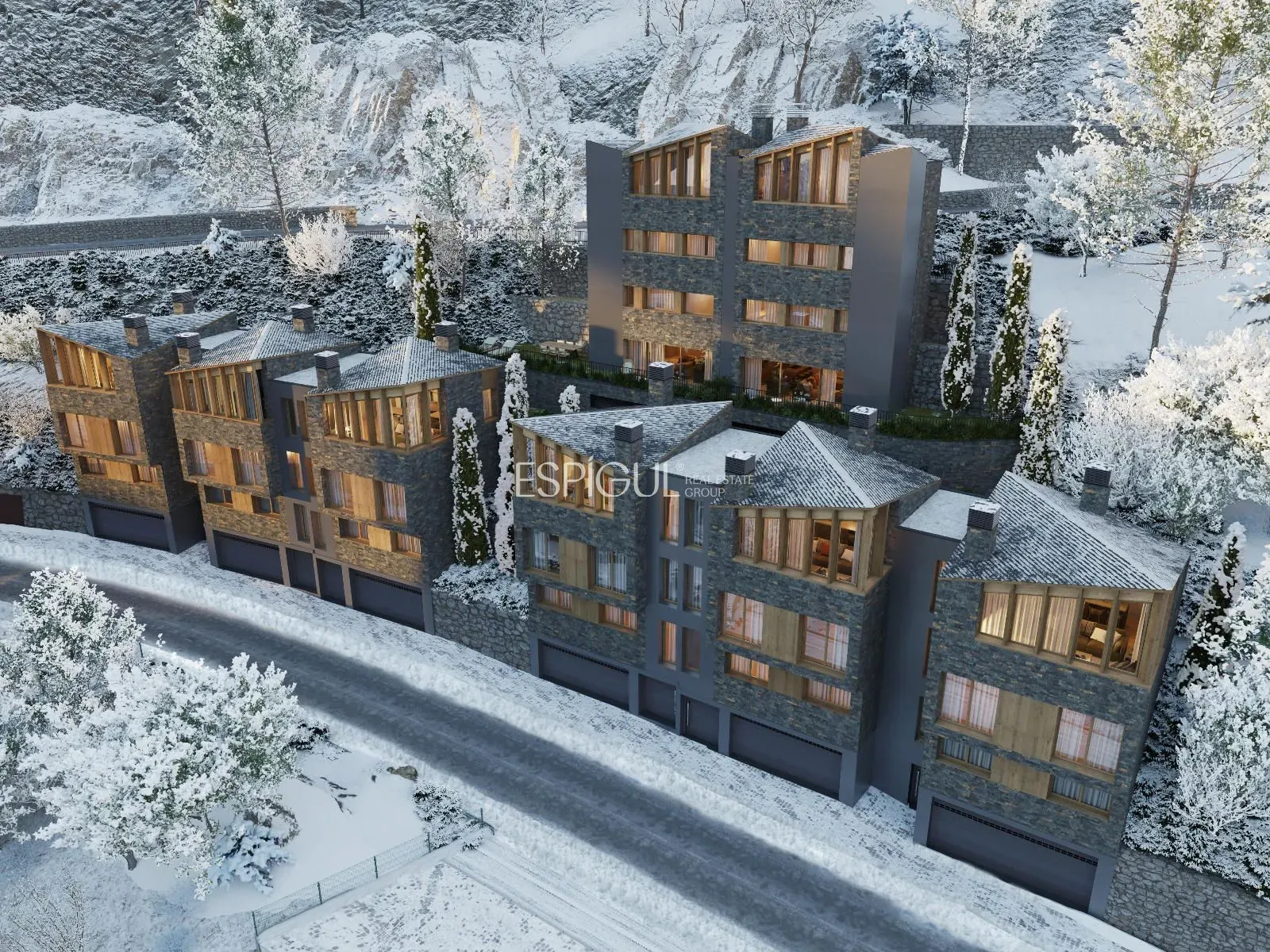
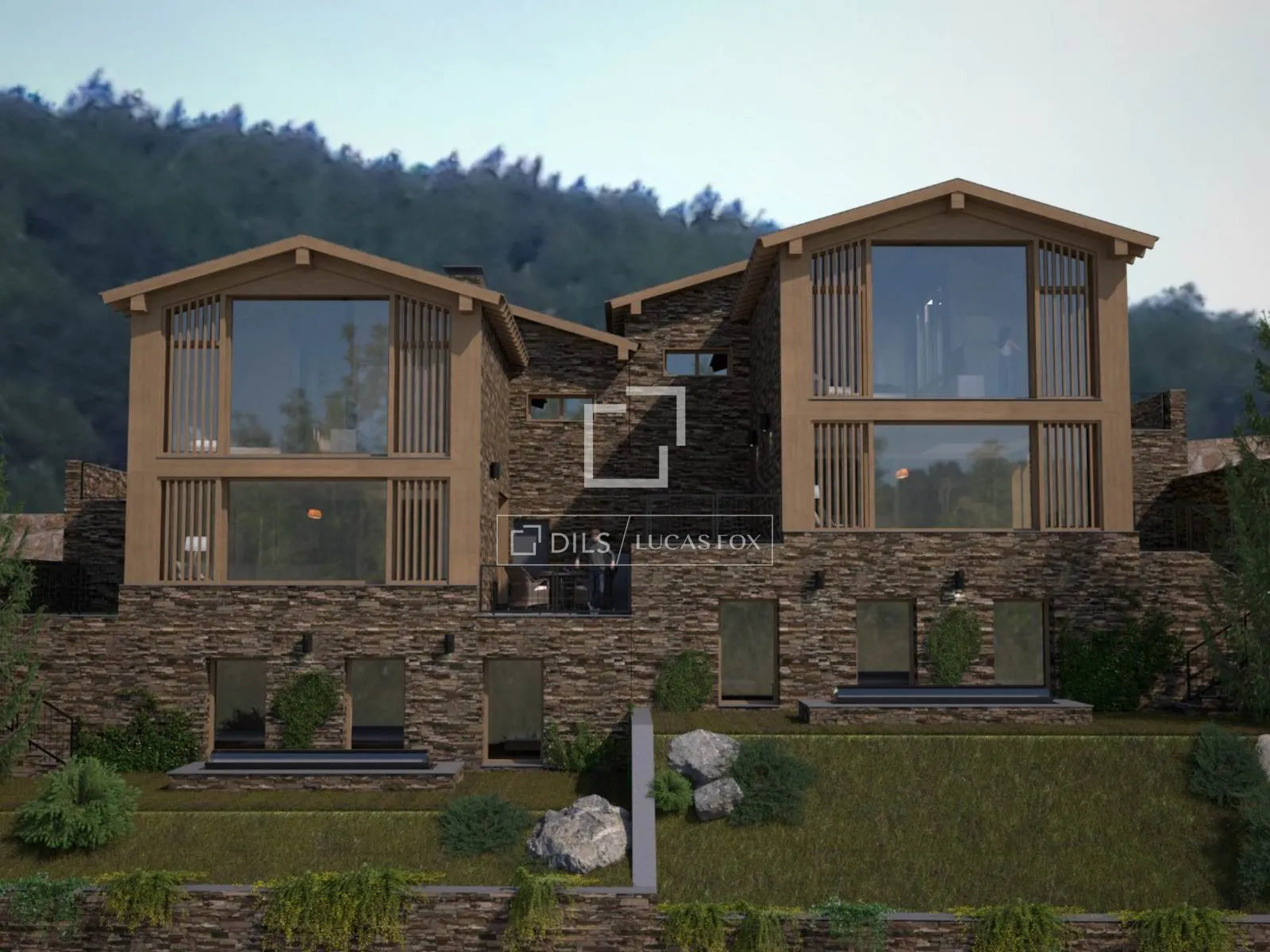
Neighbouring Ordino is the most rural and arguably prettiest parish, a string of stone villages leading up to the Ordino Arcalis ski area, known for the best snow record and freeride terrain in the country. The whole parish holds UNESCO Biosphere Reserve status, and planning is noticeably stricter, which keeps the architecture traditional and the supply of new homes limited.
Choose Ordino for tranquility and scenery rather than nightlife. The drive to Andorra la Vella takes about 15 to 20 minutes, and Arcalis itself is a further 20 minutes up the valley, so a car is essential.
Everyday practicalities
Catalan is the official language, though Spanish, French and Portuguese are spoken everywhere and English is common in ski towns. There is no airport and no railway: most residents fly via Barcelona or Toulouse, each roughly two and a half to three hours by road, and winter driving on mountain roads is part of the deal.
Healthcare through the CASS social security system is well regarded, crime is low, and the eastern parishes offer the huge Grandvalira ski domain as an alternative to the La Massana and Ordino side. Rules on residency and buying have been changing quickly, so check current requirements with the Government of Andorra before planning a move.
- Languages: Catalan official; Spanish, French, Portuguese and English widely used
- No airport or railway: Barcelona and Toulouse are the usual gateways
- Skiing: Pal Arinsal and Ordino Arcalis in the north-west, Grandvalira in the east
- Healthcare via the CASS system; private insurance needed for passive residents
Frequently asked questions
Is Andorra tax-free?
No, but taxes are low. Residents pay income tax of at most 10%, with the first 24,000 euros untaxed, and there is no wealth, inheritance or gift tax. The IGI sales tax has a standard rate of 4.5%.
How much does an apartment in Andorra cost?
Official statistics reported in Q1 2026 put the average apartment price at about 4,416 euros per square metre, up 3% year on year, though prices in sought-after ski parishes can be well above the average.
Is La Massana or Ordino better for living in Andorra?
La Massana suits people who want town amenities and a gondola from the centre to the Pal Arinsal slopes. Ordino is quieter and more traditional, with UNESCO Biosphere Reserve status and access to Ordino Arcalis, but has fewer services.
How do you become a tax resident of Andorra?
Generally by spending more than 183 days a year in Andorra or having your centre of economic interests there. A residence permit alone does not make you tax resident.
Does Andorra have an airport?
No. Residents typically fly from Barcelona or Toulouse, each around two and a half to three hours away by road, or use the small airport at La Seu d'Urgell just across the Spanish border for limited services.
Sources
This article is general information, not legal, tax or financial advice. Markets and rules change — verify the current position with official sources before acting. Published 2 August 2026.
Homes in the places mentioned
Homes for sale in Andorra
Live listings on Habio, updated daily.