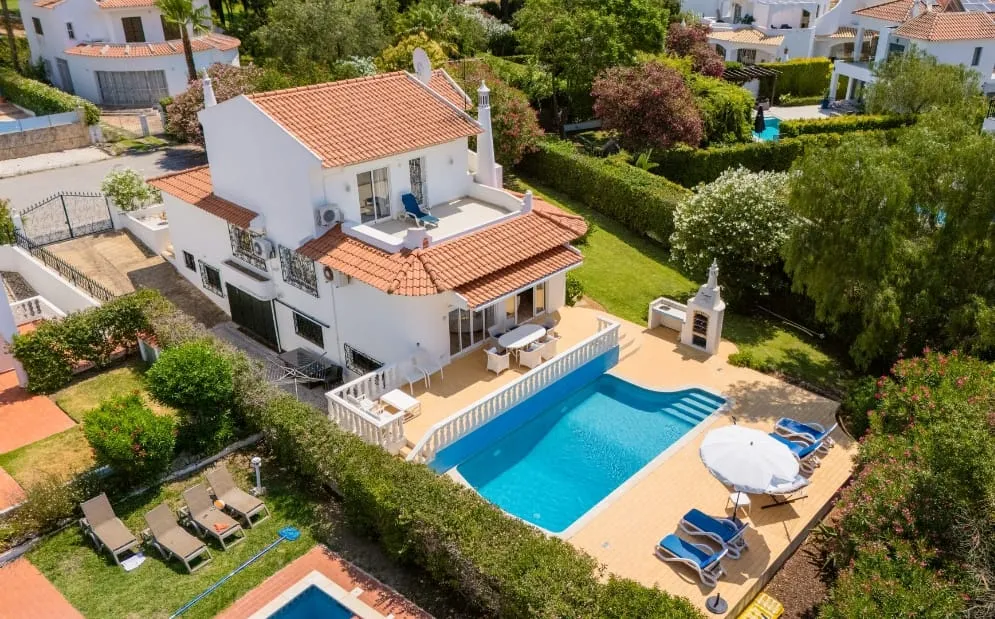
Guide to Retiring in Portugal: Key Facts for 2026
Retiring to Portugal is a dream for many, and with good reason. This beautiful country offers a welcoming climate, a rich cultural heritage, and a high quality of life. In 2026, there are some important considerations for those planning the move, including changes in retirement age and tax regimes.
Here's what you need to know about retiring in Portugal this year, from pensions and visas to lifestyle and costs.

Retirement Age and Pensions
In 2026, the standard retirement age in Portugal is set at 66 years and 9 months, according to government sources. To draw an old-age pension, you must have a minimum of 15 years of registered income.
Portugal offers early retirement for specific situations such as long-term unemployment or extended career lengths. These exceptions can offer alternative pathways to retirement for those not meeting the traditional criteria.
Visa Requirements for Retirees
The D7 Visa remains a popular choice for non-EU retirees, requiring a minimum monthly income of €920 for individuals, rising to €1,380 for couples. This visa allows you to live in Portugal through passive income sources like pensions or investments.
Applicants need to present proof of income, such as bank statements and tax returns, as part of the visa application process. Consulting with a migration expert can help ensure you meet all necessary criteria.
Taxation and Financial Considerations
Since 2024, the Non-Habitual Resident tax regime in Portugal ceased for new applicants, meaning retirees are subject to the standard Portuguese tax rates on worldwide income from the start.
Additionally, U.S. citizens must continue filing tax returns in the U.S., which could lead to dual taxation. It's essential to seek advice from tax professionals to understand your obligations and avoid surprises.
Healthcare and Living Costs
Portugal's public healthcare system (SNS) is accessible to residents, though private insurance is recommended, especially during the initial residency.
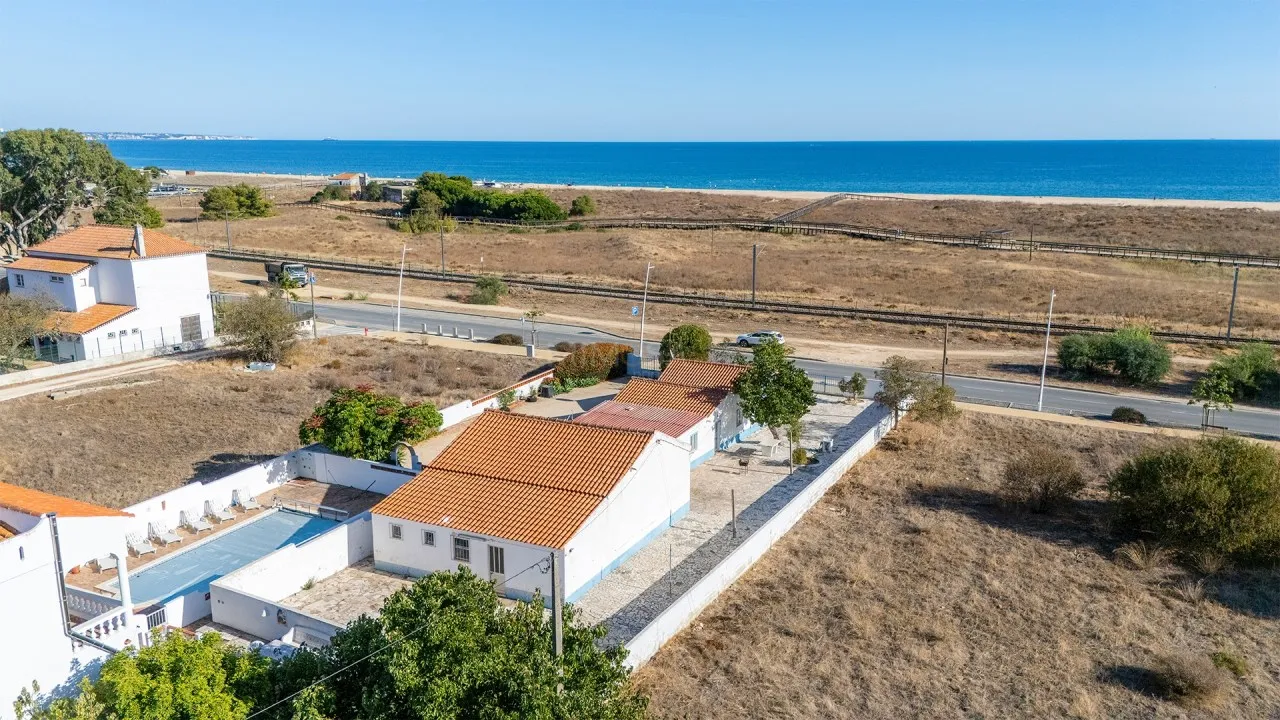
Living costs can vary significantly within Portugal. Major cities like Lisbon and Porto are pricier, while areas like the Algarve and the Silver Coast offer more affordability. As per industry sources, a budget between $1,500 and $2,500 monthly is advised depending on lifestyle preferences.
Lifestyle and Integration
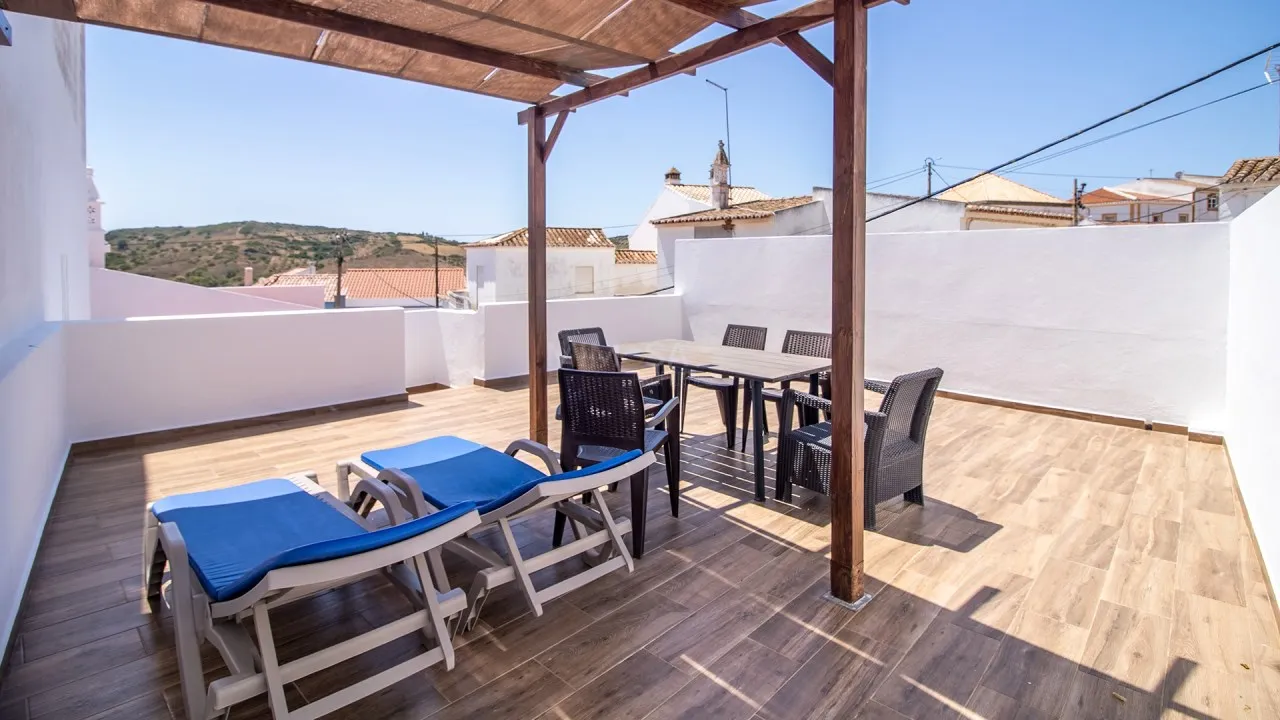
Portugal is renowned for its safety and sunshine, enjoying over 300 sunny days a year, which greatly enhances the quality of life.
While English is spoken widely, especially in urban and touristic parts, learning Portuguese can be beneficial, particularly in rural settings. This can improve social integration, enriching your retirement experience.
With promising economic growth and decreasing unemployment, Portugal offers a stable backdrop for retirees looking to enjoy a peaceful yet fulfilling lifestyle.
Frequently asked questions
What is the retirement age in Portugal for 2026?
The standard retirement age for 2026 is 66 years and 9 months.
What is the D7 Visa income requirement in Portugal?
For 2026, retirees need at least €920 per month for individuals or €1,380 for couples.
Are new retirees in Portugal eligible for the Non-Habitual Resident tax regime?
No, the Non-Habitual Resident regime ended for new applicants in 2024.
How much should retirees budget for monthly living expenses in Portugal?
Retirees are recommended to budget between $1,500 and $2,500 per month, depending on location and lifestyle.
Is Portuguese healthcare accessible to retirees?
Yes, the public healthcare system is available to residents, but private insurance is recommended.
Sources
- gov.pt
- Retirement Visa in Portugal: Requirements and How to Apply - LegalClarity
- Retire in Portugal in 2026 — Cost, Healthcare, Visa & Lifestyle | Golden Horizons
- Can a US Citizen Retire in Portugal? D7 Visa and Taxes - LegalClarity
- OE2026: Governo renova metas de crescimento e de redução da dívida pública
This article is general information, not legal, tax or financial advice. Markets and rules change — verify the current position with official sources before acting. Published 1 August 2026.
Homes for sale in Portugal
Live listings on Habio, updated daily.