Exploring Life in France's Dordogne: A 2026 Update
Nestled in southwest France, the Dordogne is known for its picturesque landscapes and rich cultural heritage. Recent data from France's INSEE highlights demographic shifts, housing trends, and the region's evolving economy, painting a detailed picture of life in the Dordogne as of 2026.
Current Demographics
As of January 2023, the Dordogne department boasts a population of 417,614, with a population density of 46.1 people per square kilometre, according to INSEE. A noteworthy demographic trend is the aging population, with 30.7% of residents aged 65 or older, and a median age of 50 years. These figures surpass both regional and national medians, indicating a more advanced age profile in Dordogne.
While the area has a natural population decrease, it also benefits from a migration increase of 0.8% annually. This influx of newcomers may help balance the ageing situation and stimulate local economies.
Housing and Property Market
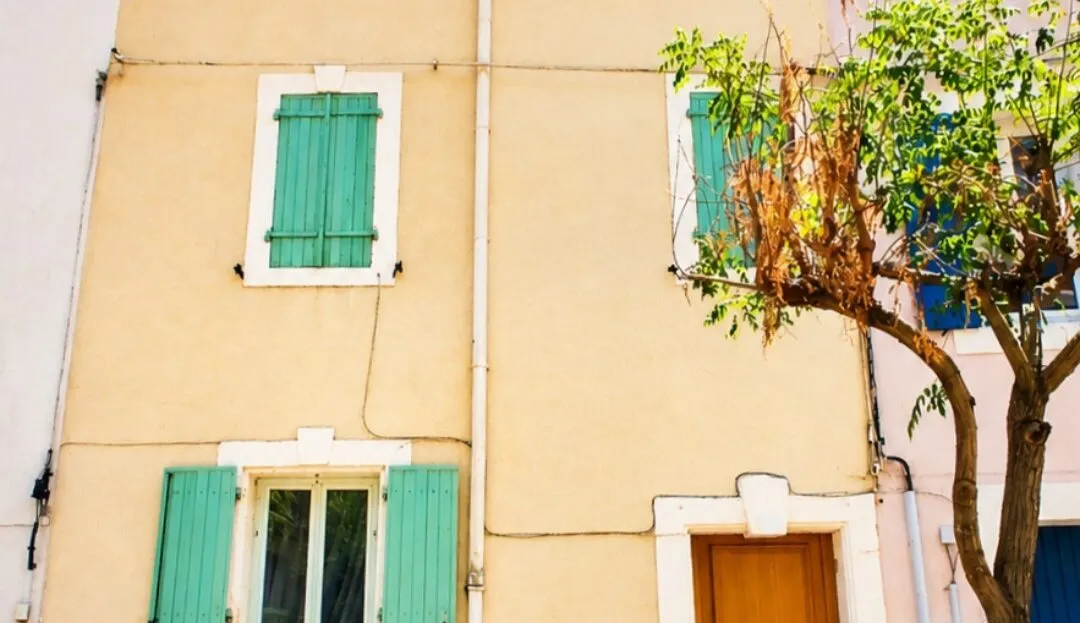
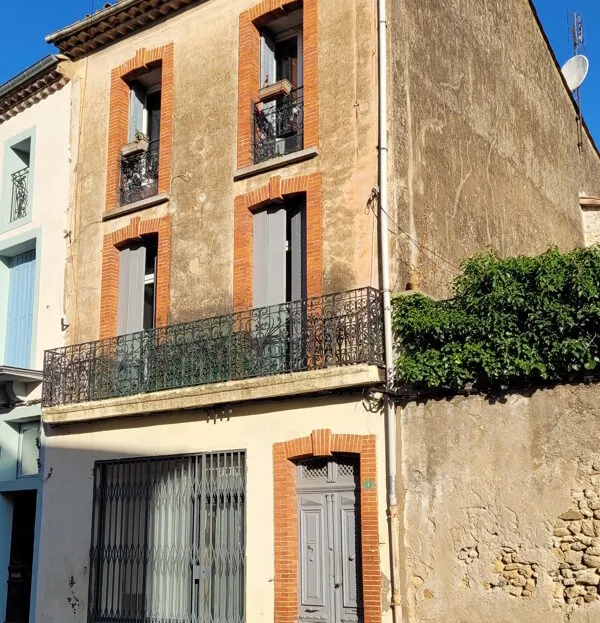
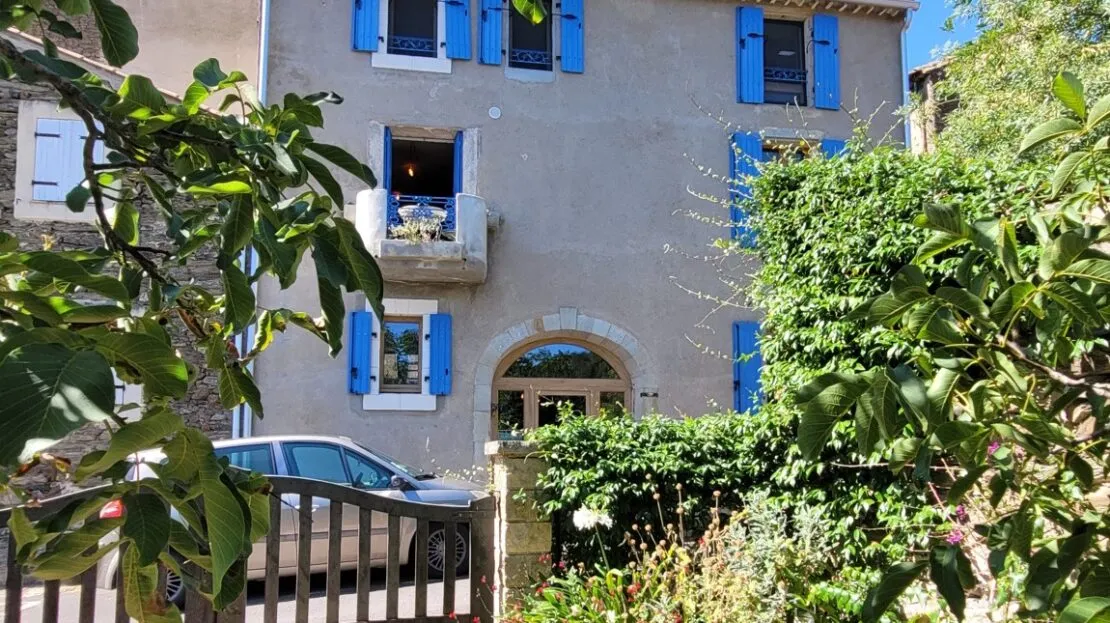
Dordogne's housing landscape is dominated by individual houses, making up 84% of the stock as of 2012. However, with 40% of these properties built before 1946, prospective buyers should anticipate possible renovation projects. This historical charm, while appealing, often requires attention and investment.
The homeownership rate was an impressive 68% as of 2012, exceeding the regional average. Recent trends in the Bergerac area show a marked increase in rental demand, suggesting a competitive market alongside rising rents, which is important for investors to consider.
Economic Environment
The Dordogne boasts a vibrant economy largely driven by its cultural heritage and tourism appeal. This vibrant backdrop, along with reducing commercial vacancy rates in areas like Bergerac, illustrates a region poised for growth.
In recent times, Bergerac has seen significant economic vitality, with rental demand increasing by as much as 25% in 2025. As tourism continues to thrive, these trends may persist, offering opportunities for property investors and new arrivals alike.
Lifestyle and Amenities
The Dordogne's rich cultural and historical environments are among its biggest draws. Tourists and residents alike enjoy a plethora of sites to explore, making the region an appealing place for both permanent residence and holiday stays.
Although its rural nature and lower population density might imply challenges in access to services, the central hub at Périgueux offers strong connectivity with the wider region, enhancing access to amenities and services.
For those interested in exploring properties and understanding more about the Dordogne, platforms like Habio provide robust guides and listings tailored to buyers' needs.
Considerations for New Residents
When considering a move to the Dordogne, potential residents should account for the area's older housing stock and the possible need for renovations. Additionally, with its significant elderly population, the demand for healthcare and certain community services might increase.
The rural setting, while beautiful, can affect access to infrastructure, underscoring the importance of being well-informed about specific localities within the region. Despite these considerations, the Dordogne's appealing lifestyle and economic potential make it a compelling option for many.
Frequently asked questions
What is the population of Dordogne?
As of January 2023, the population of Dordogne was 417,614 with a density of 46.1 inhabitants per km².
What is the age demographic situation in Dordogne?
In 2023, 30.7% of Dordogne's population was aged 65 and over, with a median age of 50 years, exceeding both regional and national averages.
How competitive is the property market in Dordogne?
The market is competitive, especially in areas like Bergerac, which saw a 20%-25% increase in rental demand in 2025.
What are the housing characteristics in Dordogne?
In Dordogne, 84% of housing is comprised of individual houses, with 40% built before 1946, indicating potential renovation needs.
How does Dordogne's rural nature affect living there?
Dordogne's rural nature could affect access to some services and infrastructure, making it important to assess local amenities and support.
Sources
This article is general information, not legal, tax or financial advice. Markets and rules change — verify the current position with official sources before acting. Published 27 July 2026.
Homes for sale in France
Live listings on Habio, updated daily.