Buying Property in Costa Rica as a Foreigner: The Rules
Costa Rica is one of the more straightforward countries in Latin America for foreign buyers. You do not need residency, citizenship or a local partner to own titled property: foreigners hold registered land under essentially the same rules as Costa Ricans, and there is no restriction on how many properties you can own or whether you rent them out.
There is one big exception - the coastal strip known as the maritime zone - and a handful of practical risks around title records and unused land that make good legal advice essential. Here is how it works as of August 2026.

Equal rights on titled property
Most property in Costa Rica is fully titled (fee simple) and recorded in the National Registry, the official repository for all property titles. A foreign buyer can hold that title in their own name or through a Costa Rican company, with the same ownership rights as a citizen - to sell, mortgage, build (subject to planning rules) or leave the property to heirs.
You can complete a purchase on a tourist entry; owning property does not require you to live in the country, and equally it does not by itself grant you any right to reside there.
The maritime zone: the 200-metre exception
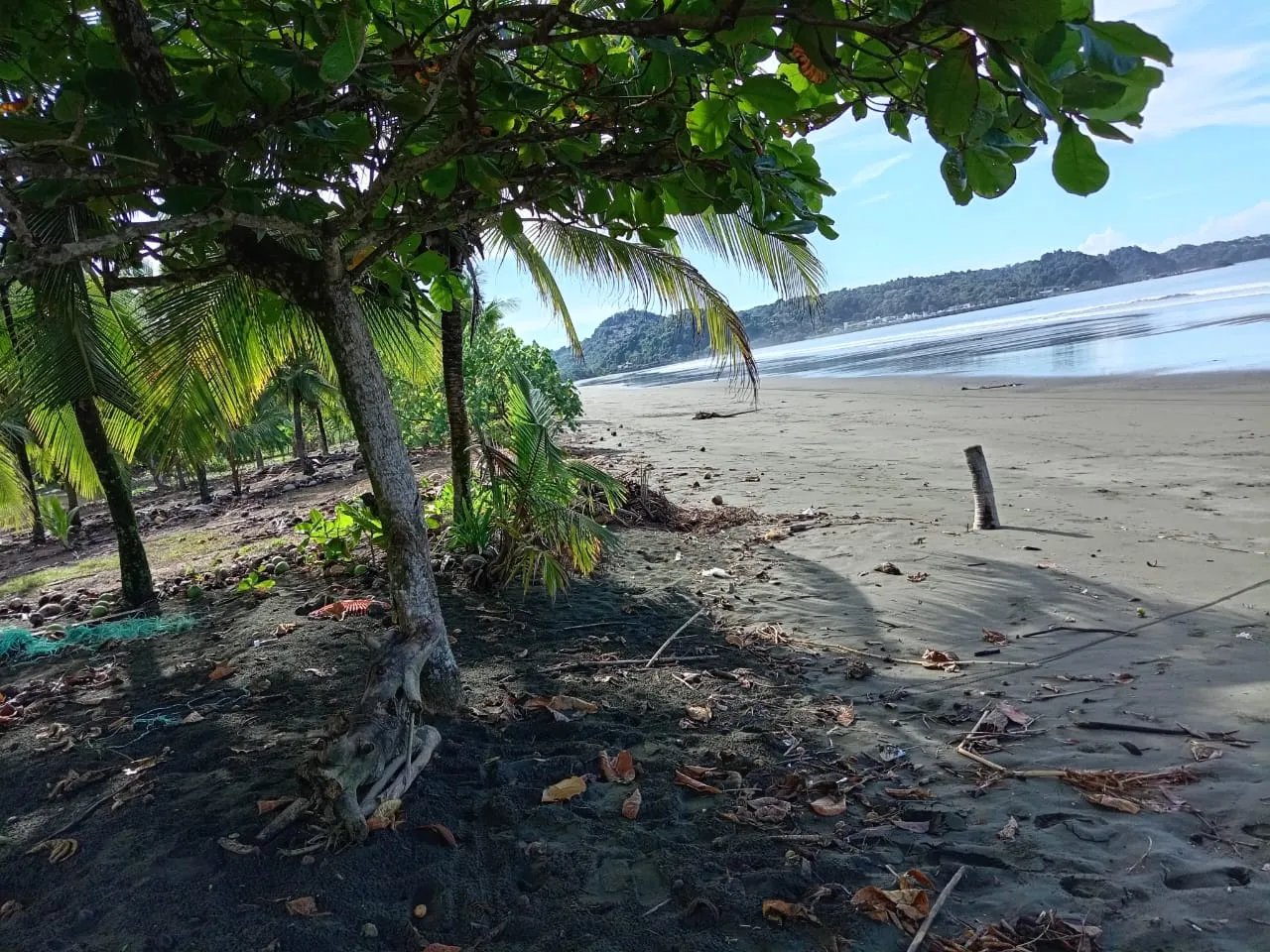
The first 200 metres of most coastline, measured from the high-tide line, is treated differently. The first 50 metres is public land that cannot be owned or developed by anyone. The next 150 metres inland is a restricted zone administered by the local municipality: property there is held on government concessions (leases) rather than owned outright.
The US State Department notes bluntly that this 150-metre zone cannot be owned by foreign nationals. In practice, concessions carry significant restrictions for non-residents and foreign-controlled companies, so if you are shown a beachfront concession property, treat it as a specialist purchase and take independent legal advice before committing.
- 0-50 m from high tide: public zone - no private ownership or development
- 50-200 m: restricted (maritime) zone - municipal concessions, not freehold
- Restrictions apply to foreigners holding concessions; rules and practice vary by municipality
- Titled beach-area property outside the maritime zone does exist - your lawyer can confirm which regime applies
Title checks, untitled land and squatters
Costa Rican title records are free to search online through the National Registry, but the US State Department cautions that civil records of land title can be incomplete or contradictory, and not every property has a clear, transferable title. Some rural land is untitled or held through possession rights, which are far riskier for a foreign buyer.
Unused land also attracts squatters, who can use occupation laws to build claims over time. Owners who visit rarely should have the property watched, and can register with the National Registry alert system to be notified of any transaction touching their title.
- Search the National Registry record (folio real) before offering
- Have a real-estate lawyer confirm the title is clear and transferable
- Be wary of untitled land or possession rights
- Do not leave property unattended for long periods; consider the registry alert service
How the purchase itself works
Transfers must be executed by a notary public, who in Costa Rica must also be a qualified lawyer. The notary drafts the transfer deed, collects the transfer taxes and records the new title at the National Registry - making them the gatekeeper of the whole transaction. Most buyers appoint their own notary rather than using the seller's.
Escrow is not mandatory but is widely recommended so that funds are only released once conditions are met. Budget roughly 3.5-4% of the price for transfer tax, stamps, registry and notary fees; who pays is negotiable and the cost is commonly split with the seller.
Where residency fits in
Buying a home does not confer residency, but Costa Rica does run an investor (inversionista) residency category for which qualifying real estate counts, alongside income-based rentista and pension-based pensionado routes. Thresholds change, so verify the current figures with the immigration authority (Direccion General de Migracion y Extranjeria) before planning around them.
If you are weighing up areas as well as rules, Habio has Costa Rica listings, area guides and buyer guides you can explore alongside this article.
Frequently asked questions
Can foreigners own property in Costa Rica outright?
Yes. Foreigners can own titled property in their own name with the same rights as citizens, without residency or citizenship. The main exception is the coastal maritime zone, where land is held on municipal concessions with restrictions on foreign holders.
Can I buy beachfront property in Costa Rica?
Often not as freehold. The first 50 metres from the high-tide line is public, and the next 150 metres is concession land administered by municipalities; the US State Department notes this zone cannot be owned by foreign nationals. Titled property just behind the zone is a safer route.
Do I need to live in Costa Rica to buy property there?
No. You can buy on a tourist entry and there is no requirement to reside in the country. Equally, owning property does not by itself give you residency.
Is it safe to buy untitled land in Costa Rica?
It is much riskier. Title records can be incomplete, some land is held only through possession rights, and unused land can attract squatter claims. Stick to titled, registered property and have a lawyer verify the National Registry record.
Who handles a property transfer in Costa Rica?
A notary public, who must also be a lawyer. The notary drafts the deed, collects transfer taxes and records the new title in the National Registry. Buyers normally appoint their own notary and often use escrow for the funds.
Sources
This article is general information, not legal, tax or financial advice. Markets and rules change — verify the current position with official sources before acting. Published 2 August 2026.
Homes for sale in Costa Rica
Live listings on Habio, updated daily.