Buying a Home in Tobago: A Guide for Overseas Buyers
Tobago is the smaller, slower half of Trinidad and Tobago — an island of villages, reef-fringed bays and rainforest rather than the industry and bustle of its bigger sister. For overseas buyers it offers a low-rise, villa-led market in one of the Caribbean's most protected natural settings.
There is one rule that shapes every foreign purchase here: unlike Trinidad, any acquisition of land in Tobago by a foreign buyer requires a licence, whatever the size. Factor that into your timeline from the start.

Why Tobago stands out
The island's north-east was designated a UNESCO Man and the Biosphere Reserve in 2020. According to UNESCO, the reserve covers 82,359 hectares — 15,114 on land and 67,245 at sea — and protects 1,774 species, including 83 on the IUCN Red List. At its heart is the Main Ridge Forest Reserve, created in 1776 and described by UNESCO as one of the oldest legally protected tropical forests in the world.
That conservation status matters to buyers: it keeps development modest and the landscape intact, which is precisely what draws long-stay visitors and second-home owners. Tobago's tourism pedigree runs back decades — the island's official tourism site notes that Bacolet Bay was a location for the 1960 film Swiss Family Robinson and a favourite spot of the Beatles in the late 1960s.
- North-East Tobago: UNESCO biosphere reserve since 2020, covering 82,359 hectares
- Main Ridge Forest Reserve: legally protected since 1776
- 1,774 protected species, per UNESCO, across 19 habitat types
Areas to know
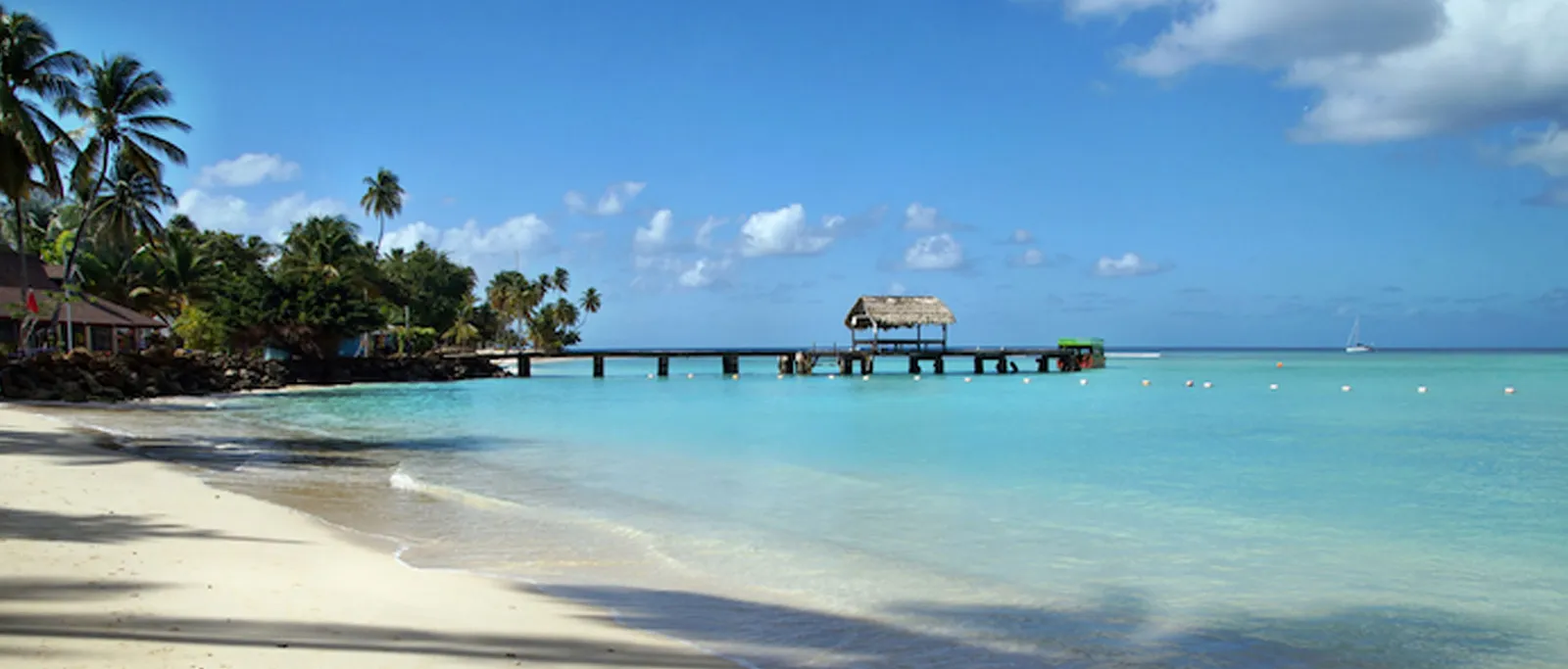
Most homes for sale cluster in the flatter, drier south-west. Crown Point and Bon Accord sit beside the airport and the island's best-known beaches, including Store Bay and Pigeon Point, and hold much of the villa and apartment stock. Scarborough, the capital, is the administrative and ferry hub. Along the leeward coast, Mt Irvine and Buccoo are golf-and-beach territory, while Bacolet, just east of Scarborough, is a quieter, established residential pocket.
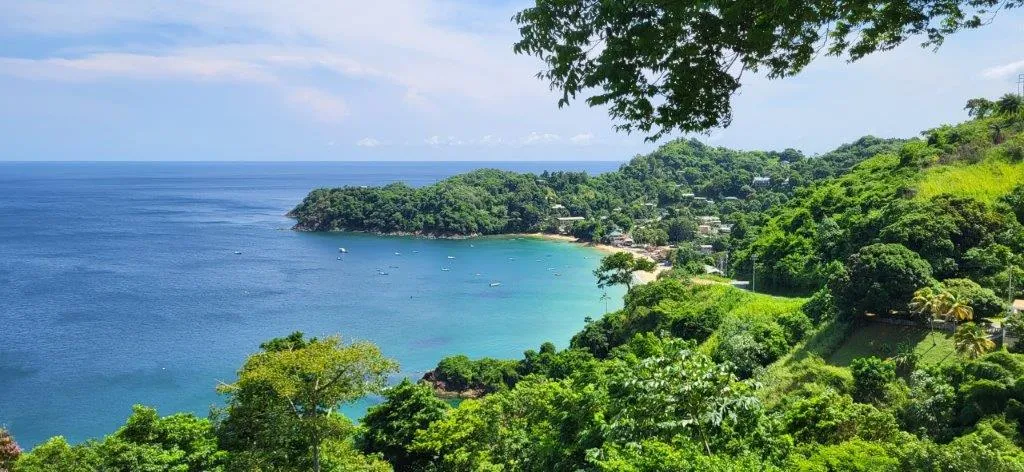
Further up the coasts, villages such as Castara, Speyside and Charlotteville fall within or near the biosphere area — beautiful, remote and with far thinner property markets. Notably, the Tobago House of Assembly has identified designated development areas for approved tourism-related projects, including Arnos Vale, Bacolet Estate and Mt Irvine, according to the Ministry of Finance's licence guidelines.
- Crown Point and Bon Accord: airport, beaches and the bulk of the villa market
- Scarborough and Bacolet: the capital and its residential fringe
- Mt Irvine, Arnos Vale and Bacolet Estate: designated development areas for approved tourism projects
- Castara, Speyside and Charlotteville: remote villages in the protected north-east
The licence every foreign buyer needs
Under the Foreign Investment (Tobago Land Acquisition) Order 2007 (Legal Notice No. 53 of 2007), all foreign investors must obtain a licence before acquiring any interest in land in Tobago. Applications go to the Chief Administrator of the Tobago House of Assembly in Scarborough, and the Ministry of Finance's guidelines indicate processing of up to 20 working days for a complete application.
Licences carry conditions: one residential parcel per investor, construction to be completed within 36 months of the licence being issued, and no subsequent subdivision. This contrasts with Trinidad, where a foreign buyer can acquire up to one acre of residential land without any licence.
- Licence required for any Tobago land purchase by a foreign buyer
- Up to 20 working days' processing for a complete application
- Build within 36 months; one residential parcel; no subdivision
Costs and practicalities
Purchase taxes are the same as in Trinidad: stamp duty on residential property is banded, with an exemption on the first TT$850,000 of value for standard buyers, according to the Inland Revenue Division. Conveyancing follows the two-system model used across the country — old-law deeds or Real Property Act certificates of title — and a typical agreement for sale allows around 90 days to completion, per guidance from Trinidad law firm M. Hamel-Smith & Co.
Foreign buyers must pay in an internationally traded currency through a bank. Engage a local attorney early — they will run title searches, manage the licence application and handle the Ministry of Finance notification. Rules and processing times can change, so confirm the current position with the Tobago House of Assembly. You can browse Tobago listings and area guides on Habio to get a sense of prices before you commit to a viewing trip.
- Stamp duty exemption on the first TT$850,000 of a home's value (standard buyers)
- Around 90 days from agreement for sale to completion is typical
- Pay in an internationally traded currency through a bank
Frequently asked questions
Can foreigners buy property in Tobago?
Yes, but every foreign buyer needs a licence before acquiring any land in Tobago, regardless of plot size, under the Foreign Investment (Tobago Land Acquisition) Order 2007. In Trinidad, by contrast, up to one acre of residential land needs no licence.
What is the North-East Tobago biosphere reserve?
A UNESCO Man and the Biosphere Reserve designated in 2020, covering 82,359 hectares of land and sea in north-east Tobago. It includes the Main Ridge Forest Reserve, legally protected since 1776.
Which parts of Tobago have the most property for sale?
The south-west around Crown Point, Bon Accord and Scarborough holds most of the market, along with leeward-coast spots such as Mt Irvine and Bacolet. Villages in the protected north-east have far fewer properties.
How long does buying a home in Tobago take?
Allow roughly 90 days from a signed agreement for sale to completion, plus up to 20 working days for the foreign-buyer licence once a complete application is filed with the Tobago House of Assembly.
Are there conditions on a Tobago land licence?
Yes. Residential licences are limited to one parcel per investor, construction must be completed within 36 months, and the land cannot be subdivided afterwards, per Ministry of Finance guidelines.
Sources
This article is general information, not legal, tax or financial advice. Markets and rules change — verify the current position with official sources before acting. Published 2 August 2026.
Homes for sale in Trinidad And Tobago
Live listings on Habio, updated daily.