Andorra Passive Residence 2026: The €1m Investment Rule
Passive residence, Andorra's residence-by-investment route for people who do not need to work locally, became markedly more expensive in 2026. Law 2/2026, approved on 22 January 2026 and in force since 13 February 2026, raised the minimum investment from 600,000 to 1,000,000 euros and made the state deposits non-refundable.
If you were planning this route on the old numbers, the sums have changed twice since 2024, so it is worth reading the current rules carefully and confirming details with Andorra's Immigration Department before committing funds.

What passive residence is
Passive residence (officially residence without gainful activity) lets non-nationals live in Andorra without working for an Andorran employer. It suits retirees, investors and people with location-independent income.
It requires an effective stay of at least 90 days a year in the country. Note that holding the permit does not by itself make you an Andorran tax resident: that generally requires spending more than 183 days a year there or having your centre of economic interests in the country.
The 2026 investment requirement: 1 million euros
The main applicant must now make a permanent, effective investment of at least 1,000,000 euros in Andorran assets, up from 600,000 euros under the March 2025 omnibus law and 400,000 euros before that, according to analysis by Andorran law firms Auge Legal and Fiscal and Carlota Pastora.
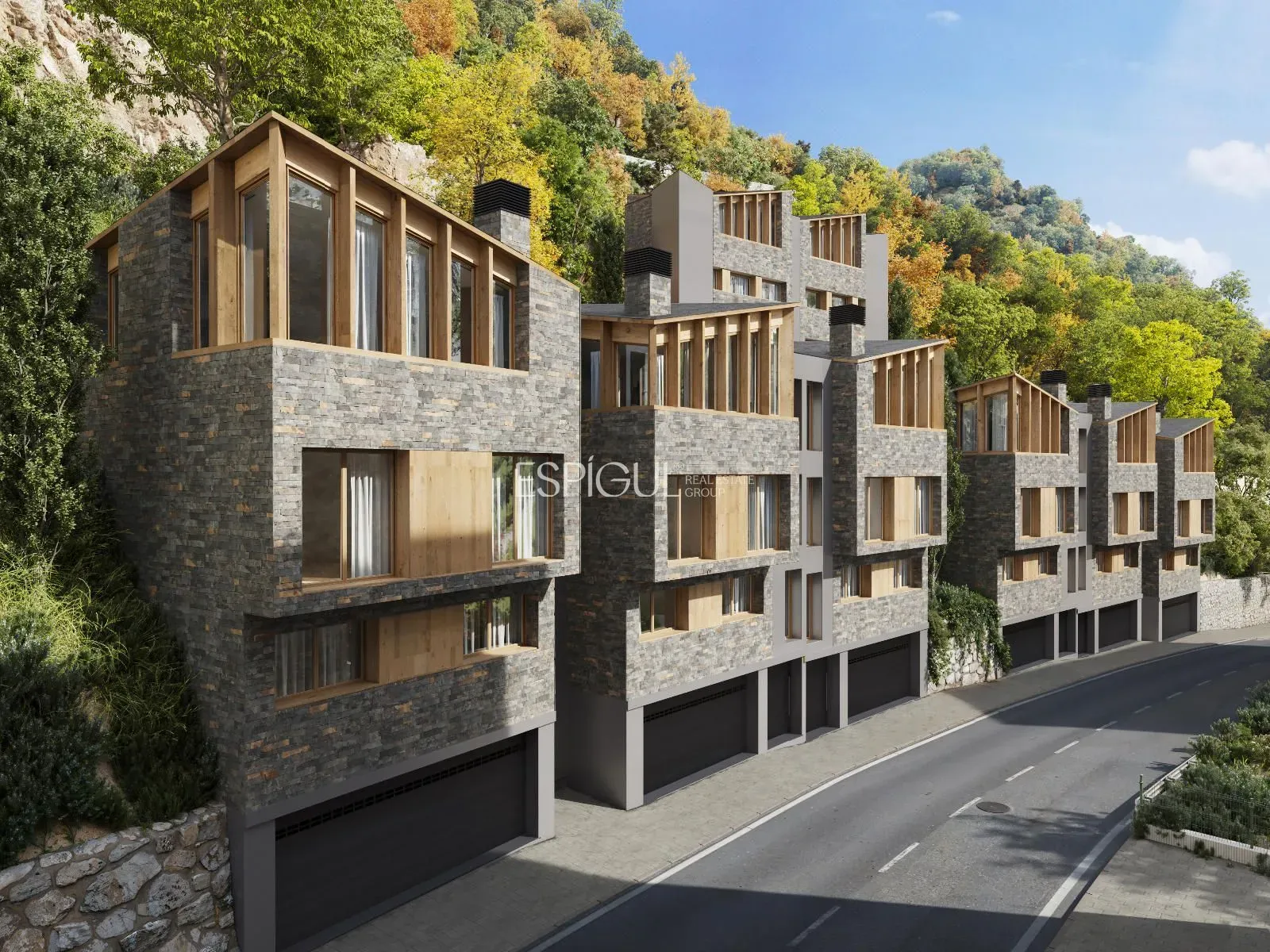
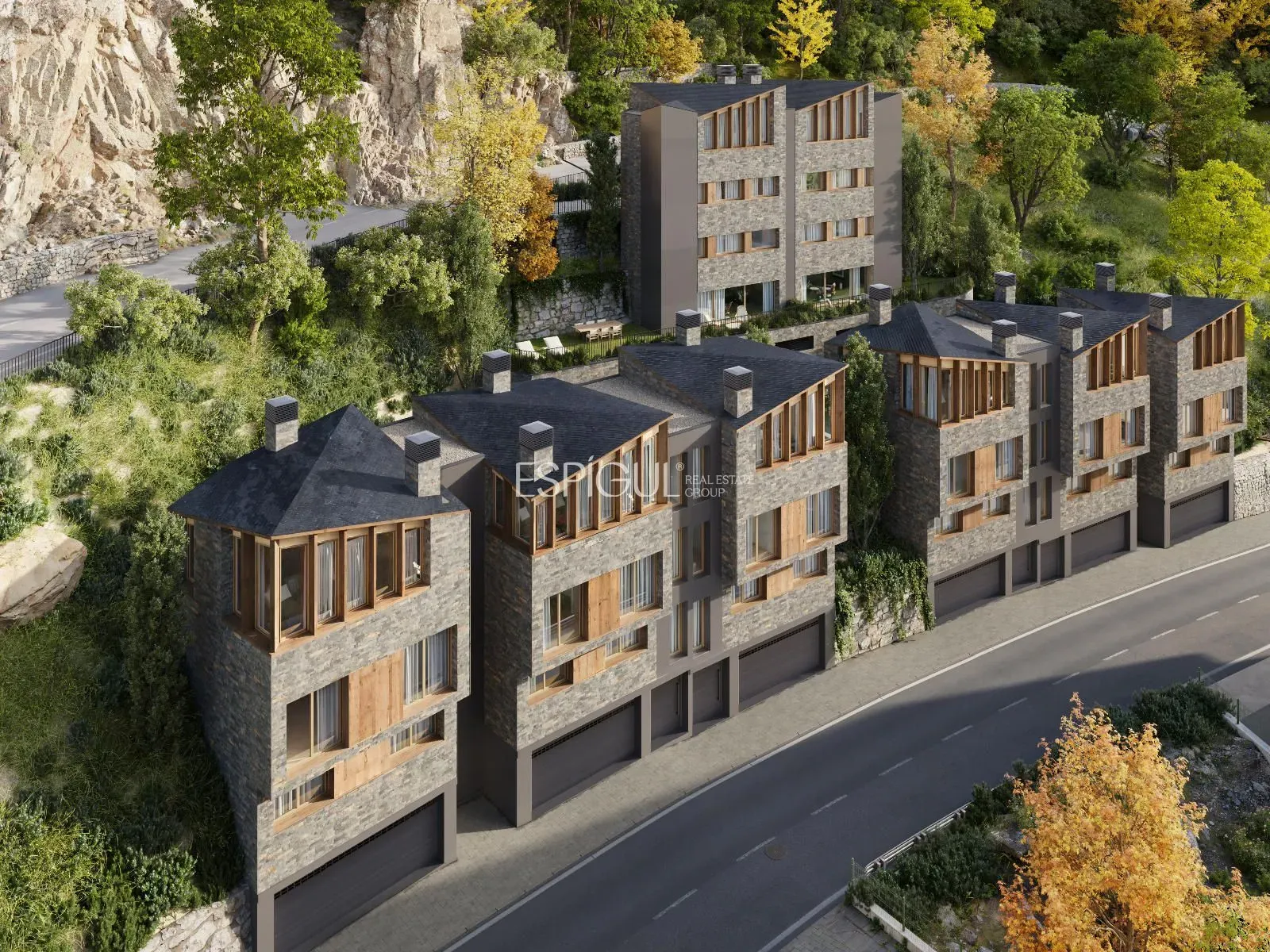
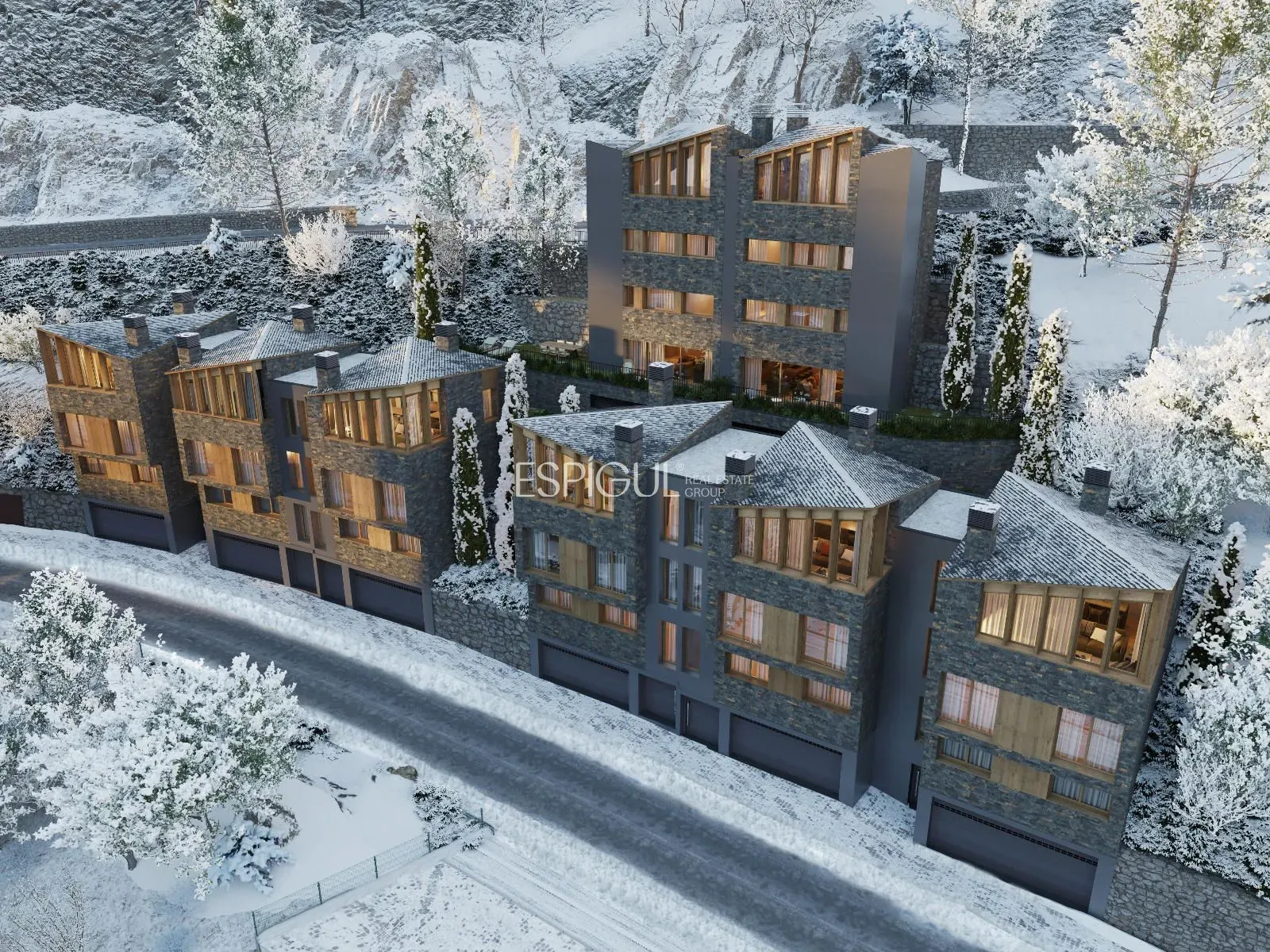
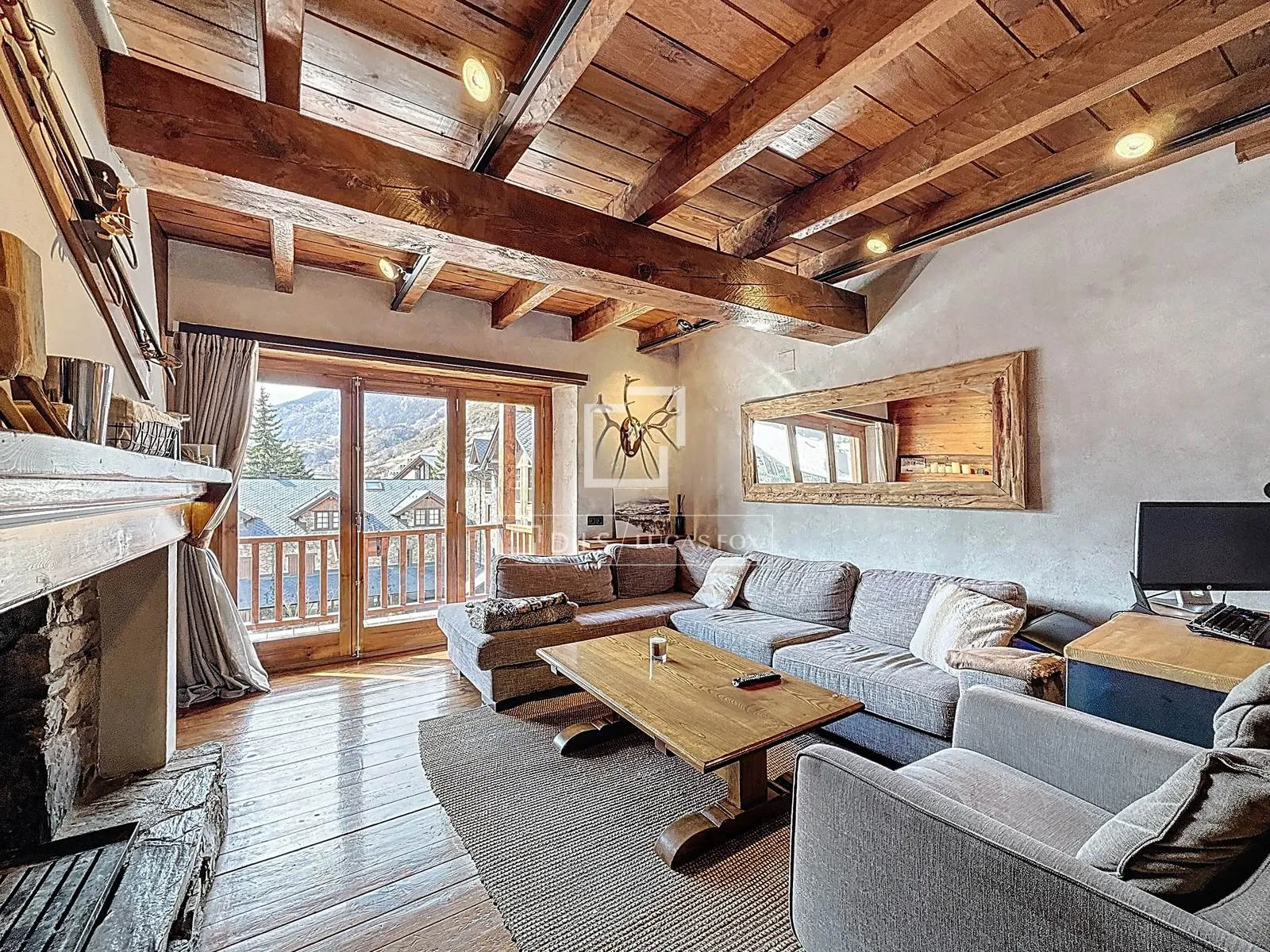
Qualifying assets include Andorran real estate, shares in resident companies, debt instruments of resident entities, Andorran public debt, life insurance with resident insurers and unremunerated deposits with the Andorran Financial Authority (AFA). If you invest in property, each real estate unit must now cost more than 800,000 euros. Investments in debt or funds are only valid for 36 months, after which they must be reinvested in permanent assets.
There is one cheaper route: the threshold drops to 400,000 euros if the investment goes into the national Housing Fund (Fons d'Habitatge). Investments must generally be completed within six months of authorisation, extendable by a further six months where justified.
- Minimum investment: 1,000,000 euros in Andorran assets
- Each property unit must exceed 800,000 euros
- Alternative: 400,000 euros via the national Housing Fund
- Debt and fund investments must be reinvested after 36 months
- Six months to complete the investment, extendable once
Deposits are now non-refundable
Alongside the investment, the main applicant pays 50,000 euros to the AFA, plus 12,000 euros for each dependant who obtains residence. Under Law 2/2026 these amounts are final, non-refundable payments to the state, returned only if the initial application is refused.
Previously these deposits were returned when a person gave up residence, so this is a genuine change in the cost of the scheme rather than a technicality. The deposits count within the overall 1,000,000 euro investment requirement as unremunerated AFA deposits, but treat them as money you will not see again.
The other conditions
Money aside, applicants must show suitable housing in Andorra (owned, rented or being acquired), private health insurance, a clean criminal record and annual income above 300% of the Andorran minimum wage, plus a further 100% per dependant.
The initial authorisation lasts two years. The first renewal adds two years, the second adds three, and later renewals can run up to ten years. Keep the 90-day minimum stay and the investment in place, as compliance is now monitored after the permit is granted, not just checked once at the start.
- Proof of housing and private health insurance
- Income above 300% of the minimum wage, plus 100% per dependant
- Effective stay of at least 90 days per year
- Permit terms: 2 years, then 2, then 3, then up to 10
Timing, grandfathering and where to check
Applications filed before Law 2/2026 came into force on 13 February 2026 were assessed under the earlier rules for a transitional period, but new applicants face the full 2026 regime.
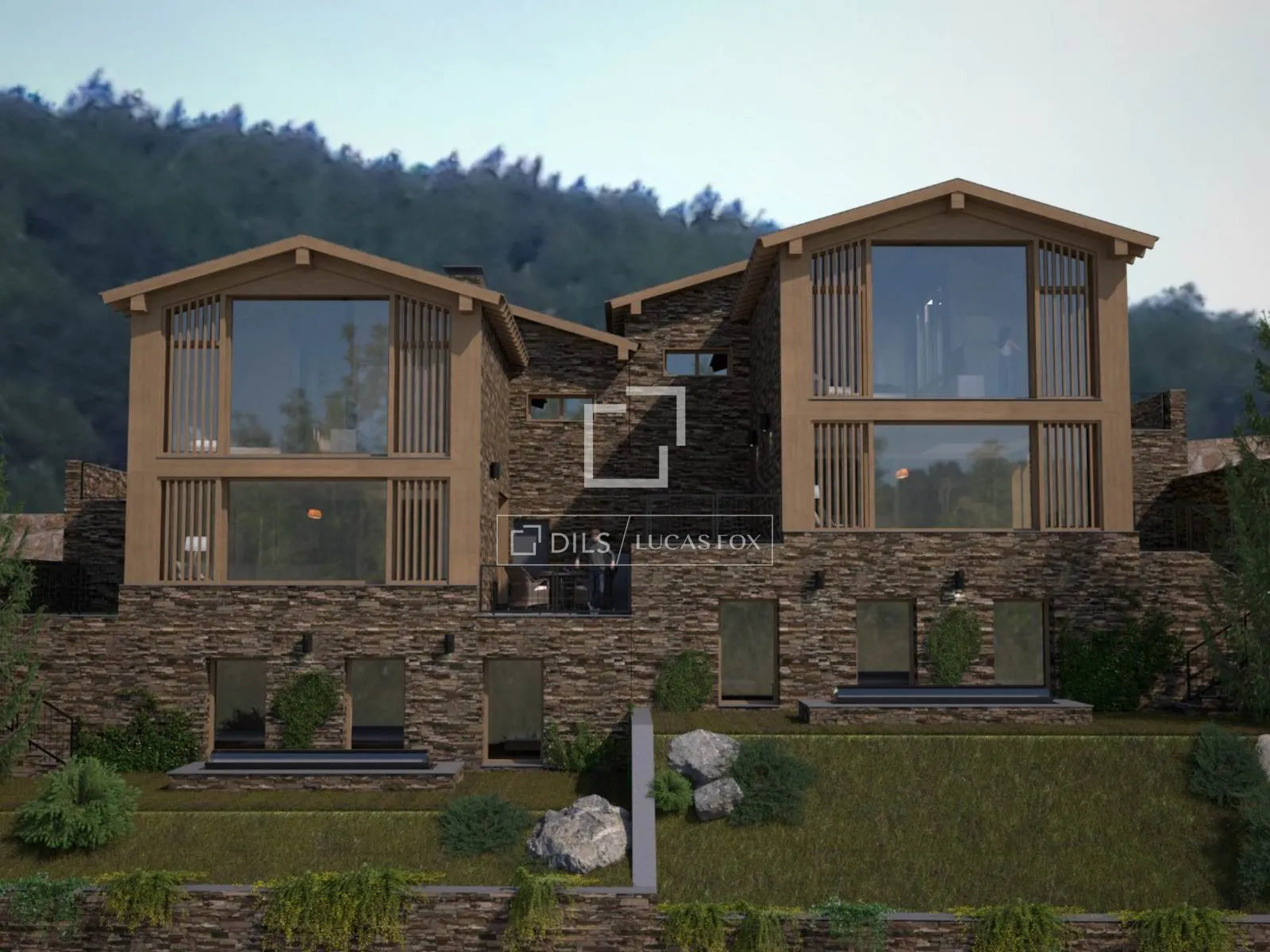
Andorra has tightened this scheme twice in two years, and further adjustment is possible. Treat the figures here as the position in August 2026 and verify them with the Immigration Department of the Government of Andorra or a licensed local gestoria before you apply. When you are ready to look at qualifying homes, Habio has Andorra listings and area guides covering every parish.
Frequently asked questions
How much do I need to invest for Andorra's passive residence in 2026?
At least 1,000,000 euros in qualifying Andorran assets, with any single property unit costing more than 800,000 euros. Investing 400,000 euros in the national Housing Fund is a lower-cost alternative route.
Is the Andorra residency deposit refundable?
No longer. Under Law 2/2026 the 50,000 euro deposit for the main applicant and 12,000 euros per dependant are non-refundable payments to the state, returned only if the initial application is refused.
How long do I have to live in Andorra with passive residence?
You must spend at least 90 days a year in Andorra to keep the permit. Becoming an Andorran tax resident is a separate test, generally over 183 days a year or having your centre of economic interests there.
Does buying a home in Andorra qualify for passive residence?
Yes, real estate counts towards the 1,000,000 euro investment, but each property unit must cost more than 800,000 euros, and foreign buyers also pay the foreign real estate investment tax of at least 6% on the purchase.
Can I work in Andorra with passive residence?
No. Passive residence is residence without gainful activity in Andorra. People who want to work or run a local business need an active residence permit, which has its own conditions and fees.
Sources
This article is general information, not legal, tax or financial advice. Markets and rules change — verify the current position with official sources before acting. Published 2 August 2026.
Homes for sale in Andorra
Live listings on Habio, updated daily.