Ready-to-Build Finca with Vineyard between Inca and Binissalem
€1,700,000€5,231/m²
Inca, Inca, Spain
3
bedrooms
3
bathrooms
325 m²
interior
120 m²
plot
Farm
property type
2 weeks ago
listed
The Habio take
AI summaryThis 12-hectare finca in Mallorca's wine region offers immediate build potential with planning permission for a 300 m² home plus basement and pool. Conveniently located between Inca and Binissalem, it boasts excellent access to Palma and a productive vineyard.
- investment
- wine
- countryside
- rural
- family
Highlights
- 12-hectare private estate
- Valid licence for immediate construction
- 3 hectares of established vineyard
- 200 m² existing agricultural building
- Versatile land for multiple uses
- Close proximity to Palma
Worth knowing
- Limited immediate amenities directly on-site
- Construction timeline depends on buyer's schedule
Good fit for: Ideal for lifestyle buyers or investors seeking a unique project in a scenic area.
Lifestyle scores
- Beach
- 40
- Walkable
- 30
- Remote work
- 60
- Family
- 70
- Retirement
- 80
- Airport access
- 70
- Investment
- 75
- Luxury
- 65
- Value
- 55
About this place
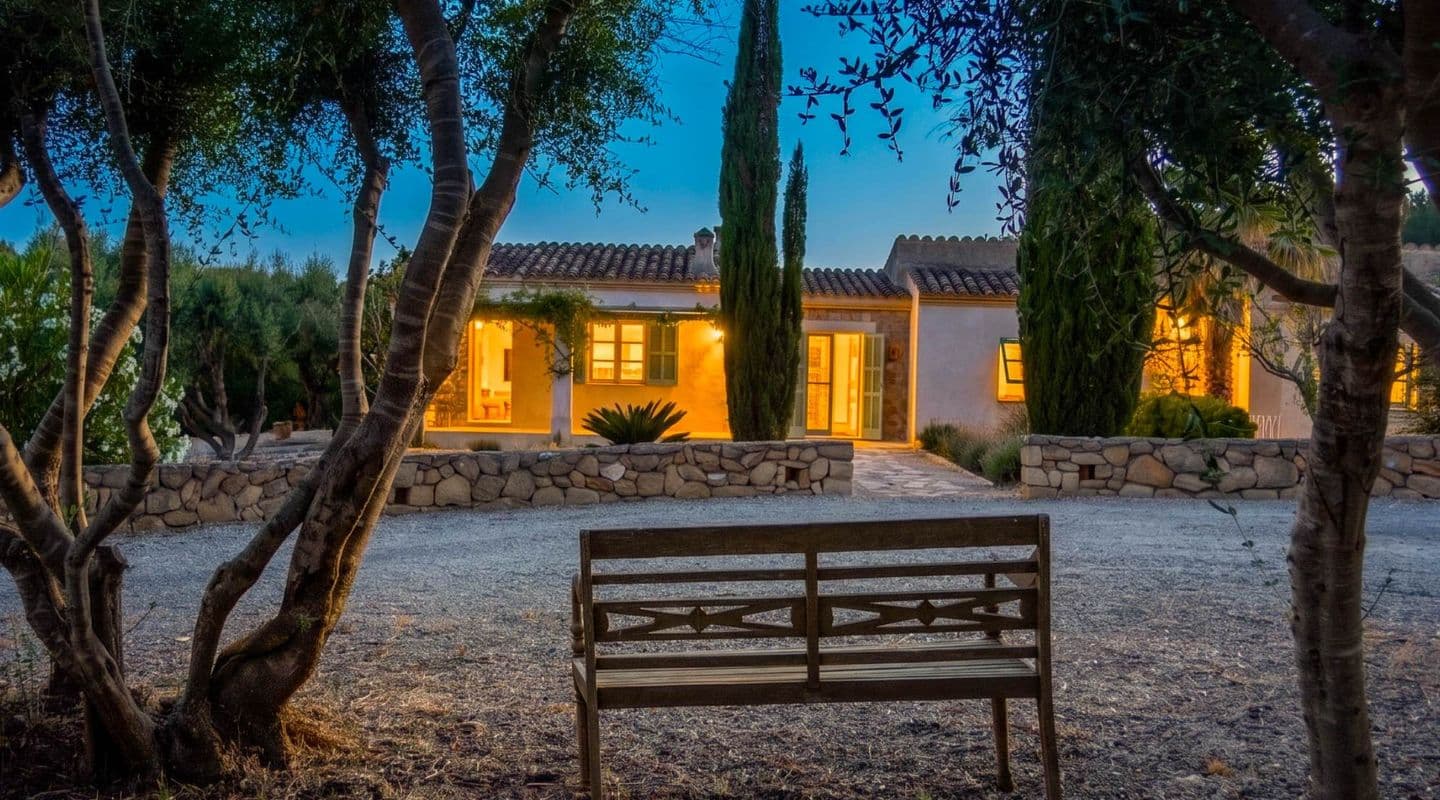
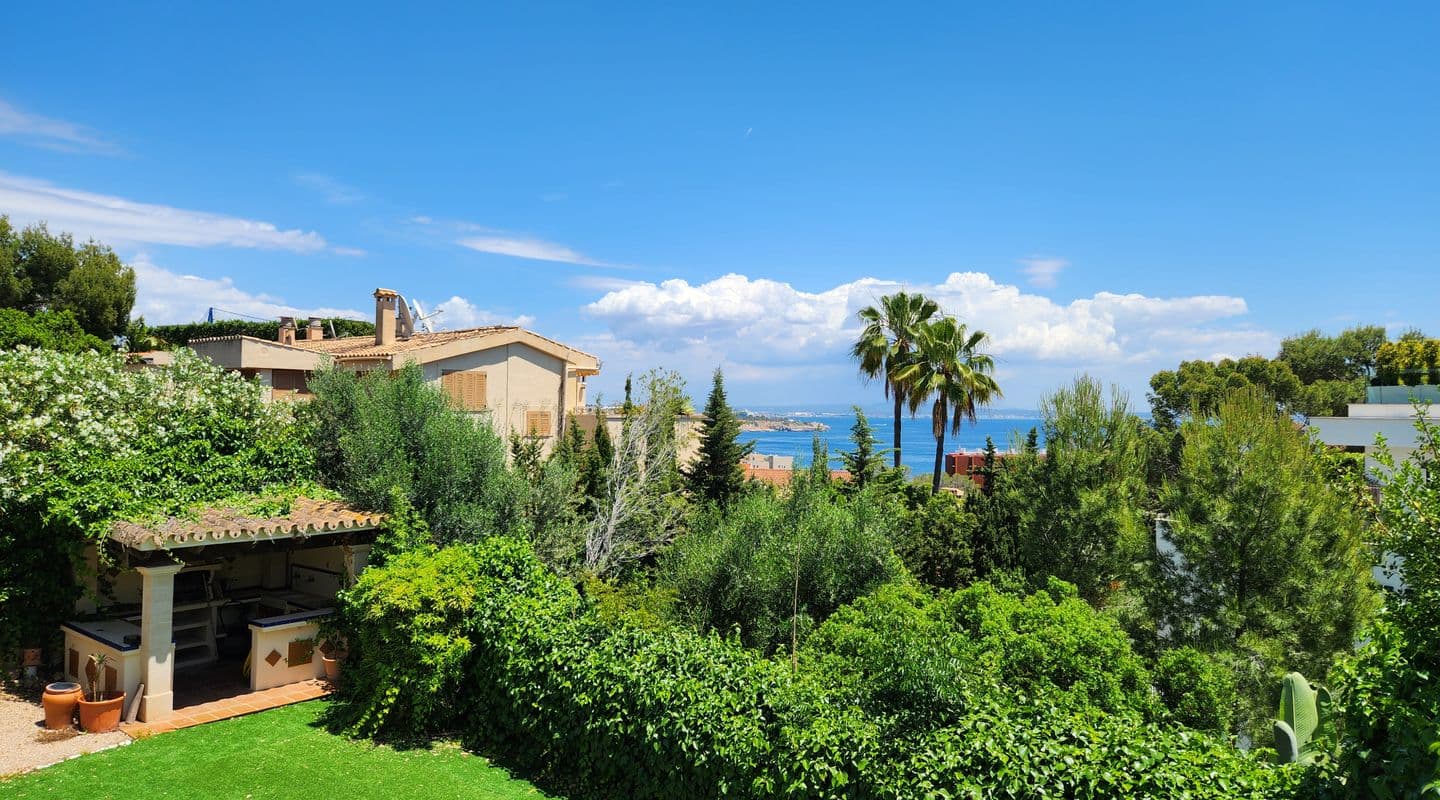
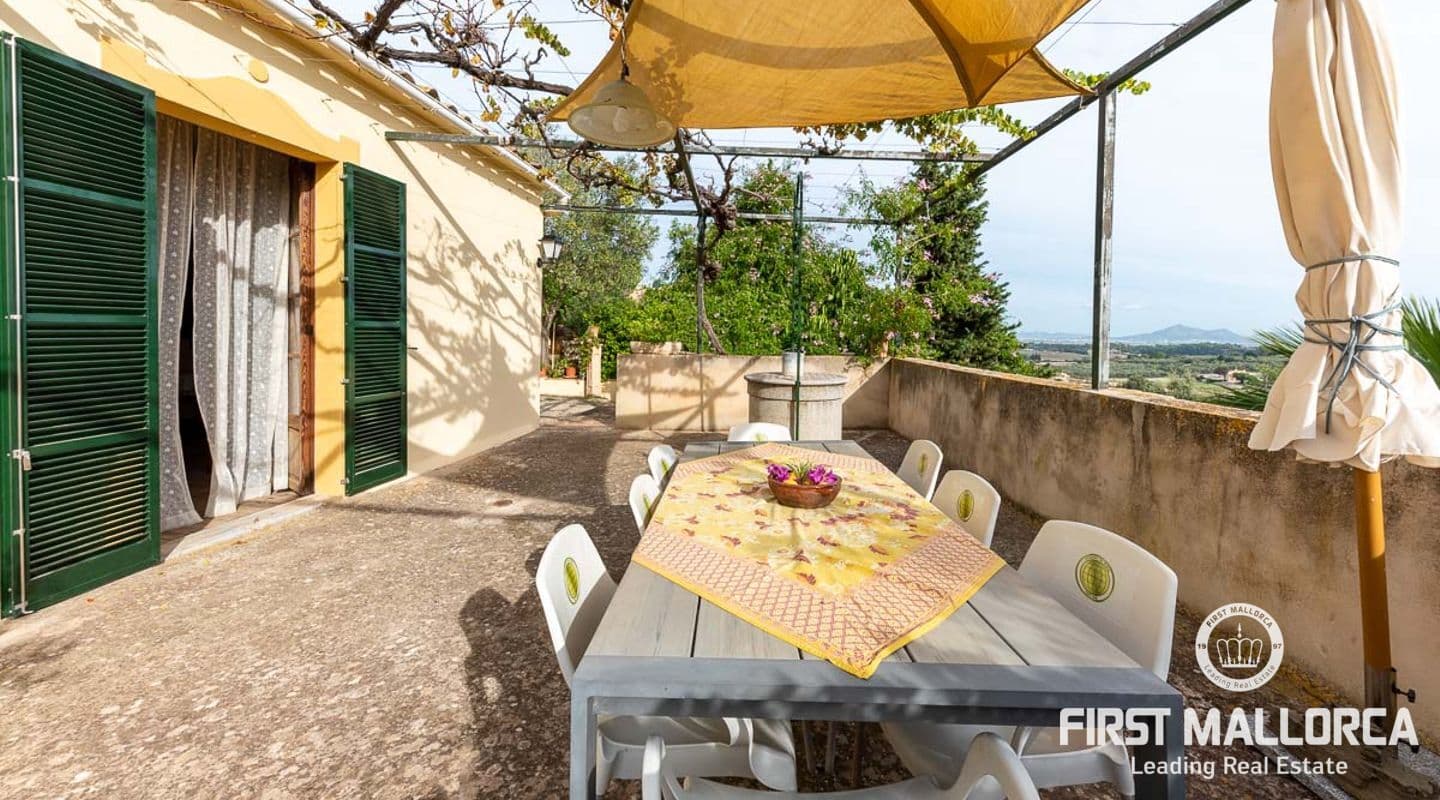
Set within a private wine estate between Inca and Binissalem, this 12-hectare finca offers a rare combination of immediate build potential, agricultural use and open space, with excellent access to Palma and the north of the island. The property comes with a valid licence to construct a single-level home of approx. 300 m² plus a 100 m² basement and pool, allowing a buyer to begin building without delay. In addition, there is an existing 200 m² agricultural building on the land. Approximately 5 hectares are designated for vineyard use, with 3 hectares already planted and additional area available for future cultivation. The remaining land provides around 7 hectares of open, usable terrain, ideal for a range of uses including equestrian, further planting or simply enjoying space and privacy. The plot is predominantly level, making it highly usable and easy to develop, while still benefiting from open countryside views and a sense of rural setting. This is a versatile opportunity that can suit both a lifestyle buyer seeking space, privacy and accessibility, or an investor looking for a ready-to-execute project within Mallorca’s wine region. Two purchase options are available: €1.7M for the land with project and licence, or €3.5M for a turnkey completed property delivered by the current owner.
Buying property in Spain
Spain welcomes foreign buyers with no nationality restrictions. The buyer needs an NIE (Número de Identidad de Extranjero) before completion, and most buyers open a Spanish bank account to handle the deposit and ongoing charges. An independent lawyer (abogado) is strongly recommended — the notario only checks the deed, not the wider title.
- 1
Get an NIE
Apply for the foreign-resident tax number at a Spanish consulate, police station, or via a representative with power of attorney.
- 2
Open a Spanish bank account
Needed for the deposit, taxes, mortgage payments, and utilities.
- 3
Engage an independent lawyer
Lawyer runs title, debts, planning, and community-of-owners checks — the notario will not.
- 4
Reservation contract
Small deposit (€3,000–€10,000) takes the property off the market while due diligence runs.
- 5
Sign the contrato de arras
Private purchase contract with a 10% deposit. If the buyer pulls out they lose it; if the seller pulls out they pay double.
- 6
Sign the escritura pública
Final public deed signed before a notario; balance and taxes paid; keys handed over.
- 7
Register the property
Lawyer registers the deed at the Registro de la Propiedad and arranges utility and IBI transfers.
Spain ended its Golden Visa property route in April 2025. Non-resident mortgages are widely available, typically 60–70% LTV. Non-resident sellers face a 3% withholding from the sale price (retención), claimable against capital gains tax. Always check community-of-owners (comunidad) debts and outstanding IBI before completion — they transfer with the property.
General guidance only — confirm specifics with a qualified local lawyer or tax adviser. Reference