Buying Property in Montenegro as a Foreigner: 2026 Guide
Montenegro is one of the more straightforward places in Europe for a foreigner to buy property: buyers from most countries can purchase flats and houses in their own name, prices are quoted in euros, and transaction taxes are clearly banded.
This guide covers what you can and cannot buy, the transfer tax bands introduced in January 2024, VAT on new builds, ongoing costs, and the property-based residence permit — including the €150,000 minimum that took effect in January 2026.

Who can buy: near-equal rights for foreigners
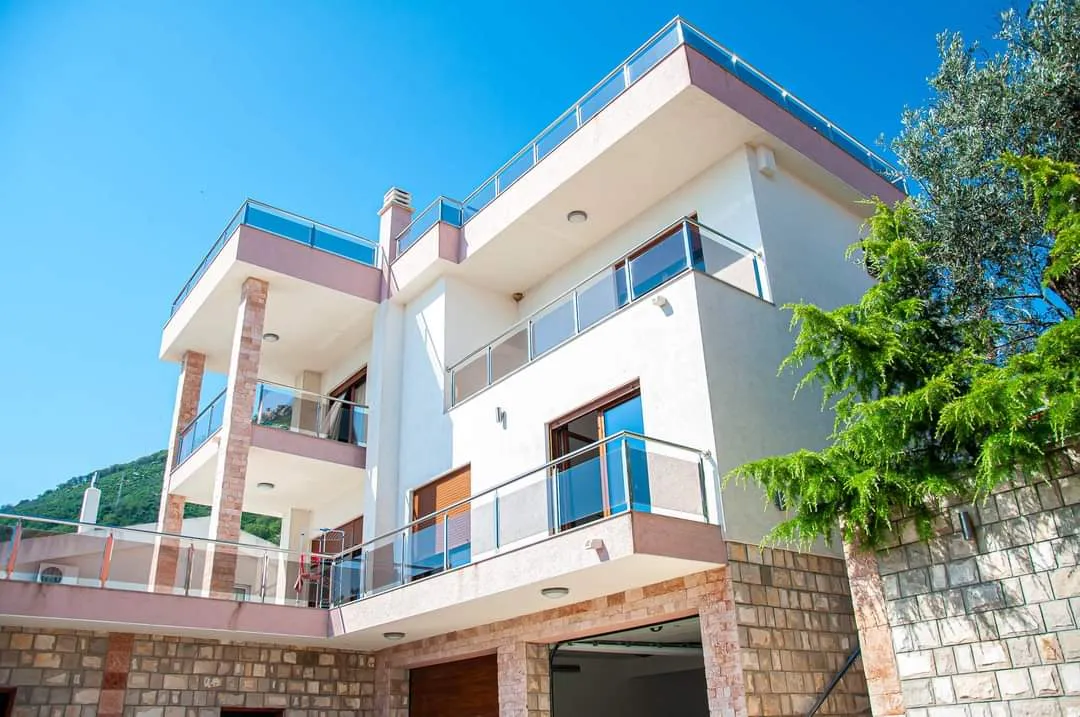
Foreign nationals can buy apartments and houses in Montenegro in their own name, on largely the same footing as Montenegrin citizens. According to Montenegrin law firm Adžić & Partners, the main exceptions are agricultural and forest land, which foreigners generally cannot buy directly.
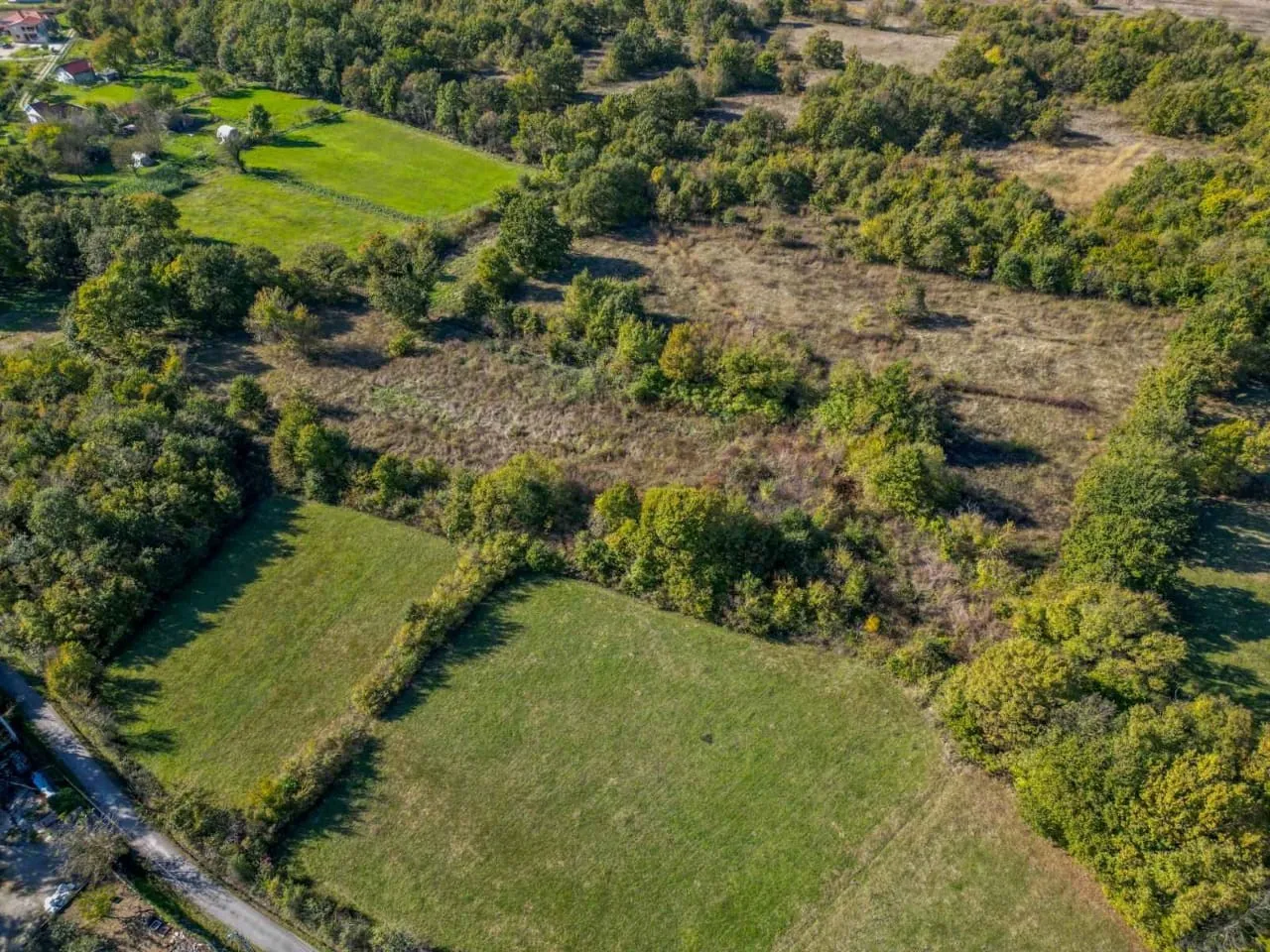
Where a purchase involves restricted land — a farmhouse with a large agricultural plot, for example — buyers commonly set up a Montenegrin-registered company, which can then acquire the land. A local lawyer can confirm whether this applies to the property you want and structure the purchase accordingly.
- Flats and houses: can be bought in a foreigner's own name
- Agricultural and forest land: restricted; usually bought via a Montenegrin company
- Always verify title and any restrictions in the real estate cadastre before signing
Transfer tax: the bands introduced in 2024
Resale property is subject to real estate transfer tax, which became progressive on 1 January 2024. According to KPMG's alert on the amendments, values up to €150,000 are taxed at 3%, the portion between €150,000 and €500,000 at 5%, and the portion above €500,000 at 6%.
PwC's Worldwide Tax Summaries (last reviewed March 2026) confirms the 3% to 6% progressive range and notes the tax is based on the market value of the property at acquisition, with the buyer required to self-assess and pay within 15 days of the transaction.
- Up to €150,000: 3%
- €150,000–€500,000: 5% on that portion
- Above €500,000: 6% on that portion
- Example: a €300,000 flat attracts €4,500 plus 5% of €150,000 — €12,000 in total
New builds: VAT instead of transfer tax
If you buy a newly built property directly from a developer, the first transfer is subject to VAT rather than transfer tax. Montenegro's general VAT rate is 21%, and KPMG's real estate tax guide notes it applies to the first transfer of ownership of buildings built after 1 April 2003.
In practice VAT is normally built into the advertised price of a new development, but confirm this in writing before you commit — and note that VAT treatment and rates can change, so check the current position with the seller's notary or a tax adviser.
Ongoing ownership costs
Annual property tax ranges from 0.25% to 1% of the market value of the property as at 1 January each year, according to PwC, payable in two instalments. KPMG notes that higher rates can apply to certain categories, such as hotels in coastal areas.
Budget as well for utilities, building maintenance fees in managed developments, and tax on any rental earnings. Rates change from year to year, so check current figures with the Montenegrin tax administration or a local accountant.
Residency through property ownership
Owning a home in Montenegro can support an application for a temporary residence permit. Under amendments to the Law on Foreigners in force since 17 January 2026, reported by IMI Daily, third-country nationals now need a property with a taxable value of at least €150,000 to qualify.
The permit is issued for one year at a time and is renewable, but it does not carry the right to work in Montenegro. Owners who obtained property-based residence before the new law took effect are not required to meet the €150,000 threshold.
- Minimum property value: €150,000 taxable value, as assessed for transfer tax
- Permit length: one year, renewable
- No right to take employment or run a business on this permit
- Rules changed recently and may change again — confirm with Montenegro's Ministry of Interior
How a purchase works in practice
Montenegro uses the euro, so there is no local-currency risk for eurozone buyers, and sterling or dollar buyers face only the exchange rate into euros. Sale contracts must be notarised, and ownership is registered in the real estate cadastre — your lawyer should check the title extract (list nepokretnosti) before you sign anything.
If you are starting your search, Habio has Montenegro listings alongside area guides and buyer guides that walk through each step in more detail.
Frequently asked questions
Can foreigners buy property in Montenegro?
Yes. Foreign nationals can buy flats and houses in their own name on largely the same terms as locals. Agricultural and forest land is restricted and is usually bought through a Montenegrin-registered company.
How much is property transfer tax in Montenegro?
Since 1 January 2024 it has been progressive: 3% up to €150,000, 5% on the portion between €150,000 and €500,000, and 6% on the portion above €500,000. New builds bought from a developer carry 21% VAT instead.
Does buying property in Montenegro give you residency?
Property ownership can support a one-year renewable temporary residence permit. Since 17 January 2026 the property must have a taxable value of at least €150,000, and the permit does not include the right to work.
What currency is used for property purchases in Montenegro?
The euro. Montenegro has used the euro since 2002 even though it is not an EU member, so all property prices and taxes are set in euros.
What annual taxes do property owners pay in Montenegro?
Annual property tax of 0.25% to 1% of the property's market value, according to PwC, with higher rates possible for certain categories. Rental income is also taxable.
Sources
This article is general information, not legal, tax or financial advice. Markets and rules change — verify the current position with official sources before acting. Published 2 August 2026.
Homes for sale in Montenegro
Live listings on Habio, updated daily.