Who Can Buy Property in Thailand? Foreign Ownership Explained
Thailand does not let foreigners own land, but it does let them own condominium units outright. That single distinction shapes almost every property decision a foreign buyer makes there, from choosing a condo in Bangkok to leasing a villa plot in Phuket.
This guide sets out what you can and cannot own as a foreigner in 2026, how the 49% condo quota works in practice, and why the much-discussed proposals to loosen the rules have not yet become law.

What foreigners can and cannot own
The starting point is the Thai Land Code, which prohibits foreign land ownership; Section 86 bars foreigners from owning land, and breaches can carry criminal penalties. There is a narrow exception under Section 96 bis for people who invest at least 40 million baht in qualifying Thai assets, which allows up to 1 rai (1,600 sq m) of residential land with ministerial approval, but it is rarely used.
What foreigners can own freehold is a condominium unit. Under Section 19 of the Condominium Act, a foreigner can hold full legal title to a unit in a registered condominium building, subject to the foreign quota described below. It is also possible to own a house or building separately from the land it stands on, typically combined with a lease over the land itself.
- Land: no foreign freehold ownership, with very limited investment-based exceptions
- Condominium units: freehold ownership allowed within the foreign quota
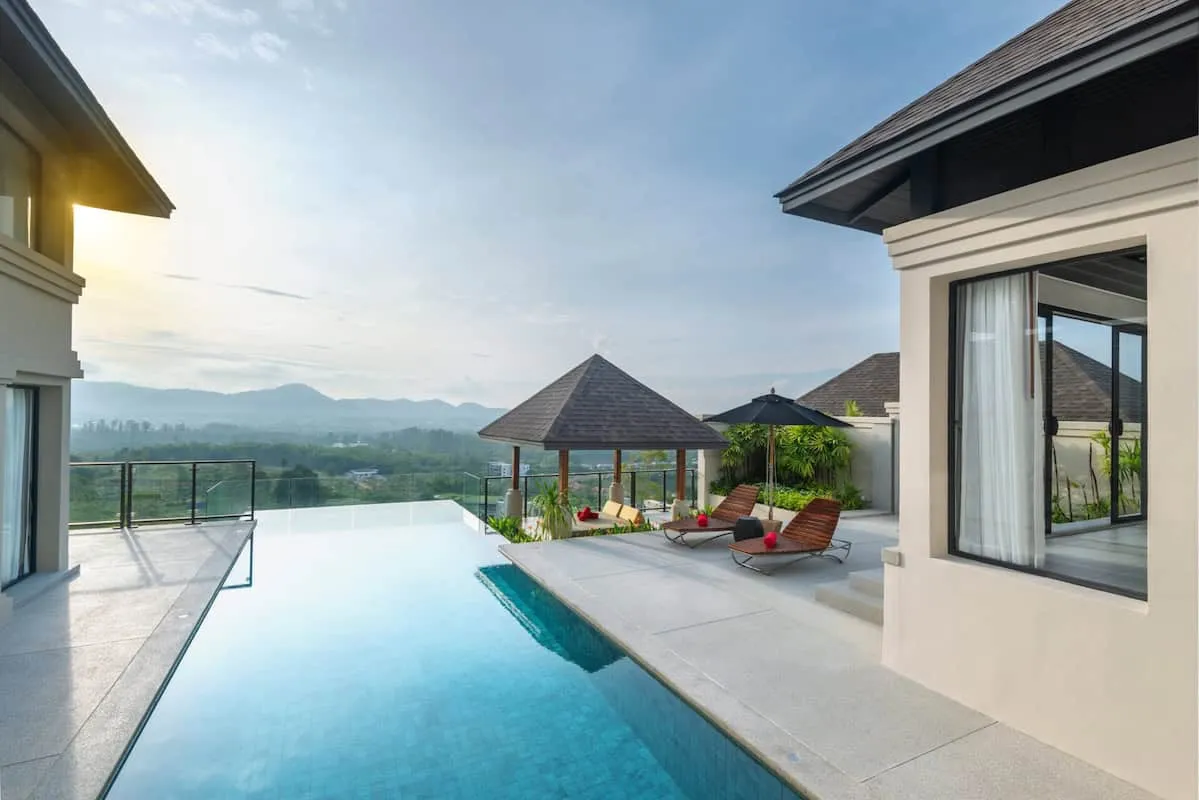
- Houses and villas: the building can be owned, the land underneath is usually leased
- Always confirm the building is a legally registered condominium before paying a deposit
The 49% condo quota, in practice
The Condominium Act limits foreign ownership to 49% of the total sellable floor area in any registered condominium building; the remaining 51% must stay in Thai hands. The cap is measured by floor area, not by number of units, and it has been in place unchanged since 1999.
Popular buildings in Bangkok, Pattaya and Phuket can have full foreign quotas, so ask the juristic person (the building management) for a written confirmation of quota availability before you commit. If the quota is full, the only options are to buy in another building or to take the unit on a leasehold basis, which is a much weaker form of ownership.
- 49% of a building's sellable floor area can be foreign-owned; 51% is reserved for Thais
- Check quota availability in writing with the building's juristic person before paying anything
- If the quota is full, leasehold is the fallback, with lower security and resale value
Paying for your condo from abroad
To register foreign ownership of a condo, the Land Office requires proof that the purchase money came from outside Thailand. In practice that means remitting the funds in foreign currency and obtaining a Foreign Exchange Transaction (FET) form, or an equivalent confirmation letter, from the receiving Thai bank. Transfers above USD 50,000 trigger mandatory documentation.
Get the transfer reference wording right, ideally stating the purpose as a condominium purchase with the unit and buyer named, and keep every piece of paperwork. An improper transfer is one of the most common reasons a Land Office refuses to register foreign ownership.
- Send funds in foreign currency from overseas, not from a Thai baht account
- Obtain the FET form or bank letter; the Land Office will ask for it at registration
- Keep all transfer records; you will need them again when you sell and repatriate funds
Leasehold for land and houses
Foreigners who want a house or villa usually lease the land, own the building, or both. A registered lease can run for a maximum of 30 years under the Civil and Commercial Code, and renewal options are a promise by the landowner rather than a guaranteed right.
That distinction now matters more than ever. In March 2025 Thailand's Supreme Court ruled that the automatic 30-plus-30-plus-30 renewal structures often marketed to foreigners cannot be legally enforced beyond the initial 30-year term. Treat any lease as a 30-year arrangement and price it accordingly.
- Maximum registered lease term: 30 years
- Renewal clauses depend on the landowner honouring them; courts will not force renewals
- A March 2025 Supreme Court ruling confirmed 30+30+30 structures are not enforceable
- Register the lease at the Land Office; unregistered leases over 3 years are not fully protected
Nominee companies and the reform debate
Some agents still suggest holding land through a Thai company in which Thai nominees hold shares on the foreigner's behalf. This is illegal, and enforcement has tightened sharply, with Thai authorities investigating tens of thousands of suspected nominee companies in 2025 and 2026 and bringing prosecutions under the Foreign Business Act. Do not go down this route.
There has been genuine political debate about liberalisation: in April 2024 the Thai Cabinet approved a study of raising the foreign condo quota to 75% and extending leases to 99 years. As of mid-2026, however, no amendment has passed Parliament, so the 49% quota and 30-year lease limit remain the law. If the rules change, official announcements will come through the Land Department and the Royal Gazette. Habio's Thailand area guides and buyer guides are kept up to date as the position evolves.
- Nominee shareholding structures are illegal and actively prosecuted
- The 75% quota and 99-year lease ideas were approved for study in April 2024, not enacted
- As of mid-2026 the 49% quota and 30-year lease cap still apply
- Verify any claimed rule change against official Thai government sources
Frequently asked questions
Can a foreigner own a condo outright in Thailand?
Yes. Under Section 19 of the Condominium Act a foreigner can own a condominium unit freehold, provided foreigners collectively hold no more than 49% of the building's sellable floor area and the purchase funds were remitted from abroad in foreign currency with a Foreign Exchange Transaction form as proof.
Can foreigners buy land in Thailand?
No, with rare exceptions. The Thai Land Code prohibits foreign land ownership. The usual alternatives are a registered lease of up to 30 years or buying a condominium. A narrow exception allows up to 1 rai of residential land for those investing at least 40 million baht, with ministerial approval.
Is a 90-year lease possible in Thailand?
No. The legal maximum for a registered lease is 30 years, and in March 2025 the Supreme Court ruled that pre-agreed 30+30+30 renewal structures cannot be enforced beyond the first 30 years. Any renewal depends on the landowner agreeing at the time.
Will Thailand raise the foreign condo quota to 75%?
It has been proposed. In April 2024 the Cabinet approved studying a 75% quota and 99-year leases, but as of mid-2026 no law has been passed, so the 49% quota still applies. Check official Thai government announcements for any change.
What is an FET form and why do I need it?
A Foreign Exchange Transaction form is issued by a Thai bank when you remit foreign currency into Thailand. The Land Office requires it, or an equivalent bank letter, as proof the condo purchase money came from abroad before it will register foreign ownership.
Sources
This article is general information, not legal, tax or financial advice. Markets and rules change — verify the current position with official sources before acting. Published 2 August 2026.
Homes in the places mentioned
Homes for sale in Thailand
Live listings on Habio, updated daily.