St Kitts and Nevis Citizenship by Investment via Property
St Kitts and Nevis runs one of the longest-established citizenship by investment (CBI) programmes in the world, and property remains one of its main routes. According to the government's Citizenship by Investment Unit (CIU), the minimum real estate investment in an approved development is currently US$325,000, with the property resaleable after seven years.
The thresholds have changed more than once since the programme's major 2023 overhaul, when minimums were raised sharply, so treat older articles quoting different figures with caution. This guide sets out the current published options, the fees on top, and what to weigh up before choosing the property route.

The two real estate routes and what they cost
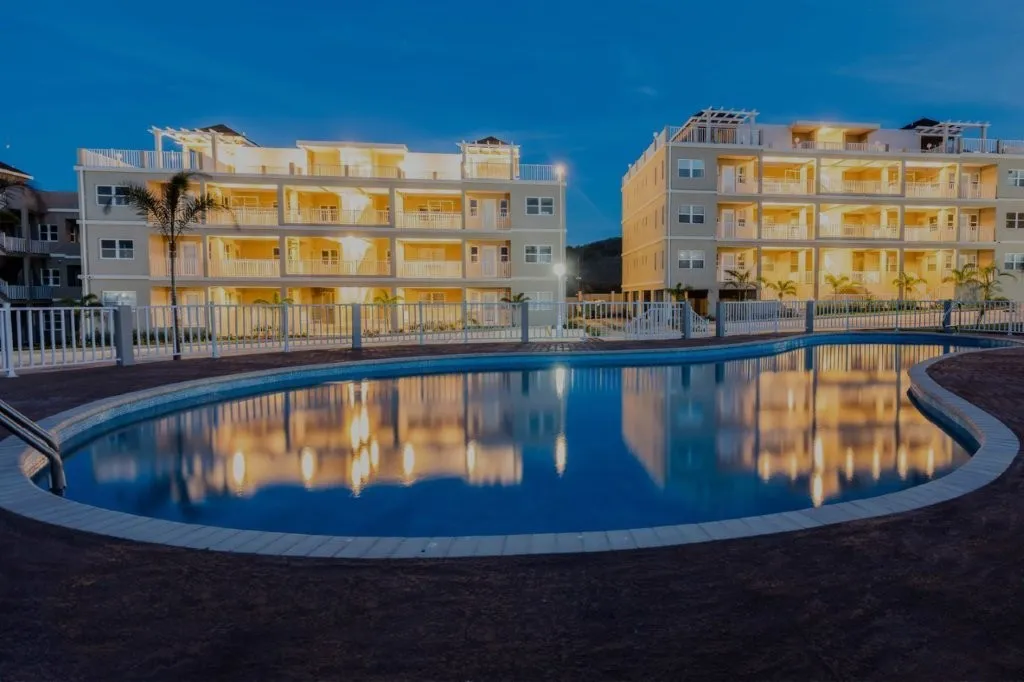
The CIU publishes two property-based options. The Developer's Real Estate Investment route requires a minimum of US$325,000 in a unit within a government-approved development, which can be resold after seven years. Approved developments are typically resort or villa projects vetted by the government.
The Private Real Estate Sale option lets you buy an existing home directly rather than a unit in a development. The CIU sets the minimum at US$325,000 for a condominium unit or share, or US$600,000 for a single-family private dwelling. Property bought this way cannot be resold for at least seven years.
- Approved development unit: from US$325,000, resaleable after 7 years
- Private sale condominium: from US$325,000
- Private sale single-family home: from US$600,000
- Both routes carry a seven-year holding period
The non-property alternatives
If you want citizenship without owning property, the Sustainable Island State Contribution (SISC) is a non-refundable donation to the state. The CIU lists the minimum at US$250,000 for a main applicant or a family of up to four, plus US$25,000 for each additional dependant under 18 and US$50,000 for each additional dependant aged 18 or over.
There is also a Public Benefit Option at US$250,000, invested in a unit of an approved public benefit project such as infrastructure with substantial local employment impact.
- SISC: US$250,000 for a family of up to four
- Public Benefit Option: US$250,000
- Extra dependants: US$25,000 (under 18) or US$50,000 (18+)
Fees on top of the headline investment
Whichever route you choose, budget for substantial fees beyond the investment itself. The CIU lists due diligence fees of US$10,000 for the main applicant and US$7,500 for each dependant aged 16 or over.
Once an application is approved in principle, post-approval fees apply: US$25,000 for the main applicant, US$15,000 for a spouse, US$10,000 per dependant under 18 and US$15,000 per dependant aged 18 or over. Property buyers should also allow for conveyancing, insurance and other purchase costs.
- Due diligence: US$10,000 main applicant; US$7,500 per dependant 16+
- Post-approval: US$25,000 main applicant; US$15,000 spouse
- Post-approval: US$10,000 per child under 18; US$15,000 per adult dependant
- Property route adds legal and insurance costs on top
Process and timeline
Applications must go through an authorised agent from the CIU's official list; you cannot apply directly. The process involves submitting documentation, a mandatory interview, and payment of the investment after approval in principle. For the Public Benefit Option the CIU indicates approval within roughly 120 to 180 days, and the other routes follow a broadly similar sequence.
Rules, prices and processing details have been revised several times in recent years, so always verify the current requirements on the CIU's own website (ciu.gov.kn) before committing money.
- Apply only through a CIU-authorised agent
- Mandatory interview as part of due diligence
- Indicative processing of roughly 120-180 days per the CIU
- Check current rules on the official CIU site before you start
Is the property route worth it?
Compared with the SISC donation, the property route costs more upfront but leaves you with an asset you can sell after seven years. Whether that trade-off pays depends on the quality of the development, realistic resale demand, and any rental income while you hold it. Legal commentators on St Kitts and Nevis CBI real estate advise independent title searches, contract review and escrow checks before signing, separate from anything the developer or agent provides.
If you are weighing up the islands themselves as much as the passport, it helps to look at what is actually on the market. Habio has St Kitts and Nevis listings and buyer guides you can browse to get a feel for prices in approved developments and the wider resale market.
- Property is recoverable capital; the SISC donation is not
- Resale after seven years depends on a genuine secondary market
- Use your own lawyer, not just the developer's paperwork
Frequently asked questions
What is the minimum real estate investment for St Kitts and Nevis citizenship?
US$325,000 in a government-approved development, according to the Citizenship by Investment Unit. Buying a private home instead requires at least US$325,000 for a condominium or US$600,000 for a single-family dwelling.
How long must I hold the property before selling?
Seven years. The CIU states that property bought under both the approved development and private sale options cannot be resold for at least seven years.
What is the cheapest route to St Kitts and Nevis citizenship?
The Sustainable Island State Contribution: a non-refundable US$250,000 donation covering a main applicant or family of up to four, plus due diligence and post-approval fees.
Did the investment thresholds change after 2023?
Yes. Minimums were raised sharply in the 2023 reforms and have been adjusted since. The current published minimum for approved development real estate is US$325,000; always check the CIU website for the latest figures.
Can I apply for St Kitts and Nevis citizenship directly?
No. Applications must be submitted through an authorised agent from the CIU's official list, and applicants undergo due diligence and a mandatory interview.
Sources
This article is general information, not legal, tax or financial advice. Markets and rules change — verify the current position with official sources before acting. Published 2 August 2026.
Homes for sale in Saint Kitts And Nevis
Live listings on Habio, updated daily.