Sri Lanka's South Coast: Galle, Mirissa and Ahangama
Sri Lanka's south coast - the stretch running from Galle east through Ahangama and Midigama to Mirissa - is where most international buyers start looking. It combines a UNESCO-listed fort city, well-known surf breaks and a tourism market that hit record numbers in 2025.
Here is how the main towns compare, and what foreign buyers need to know before falling for a villa with a paddy-field view.
Why the south coast, and why now
Tourism has recovered strongly from the difficult years between 2019 and 2022. Sri Lanka welcomed 2.36 million visitors in 2025, up 15.1% on the year before and just past the previous record set in 2018, according to Sri Lanka Tourism Development Authority figures reported by the Daily FT. The UK was the second-largest source market with around 212,000 arrivals, tourism earnings were estimated at US$3.2 billion, and the government is targeting 3 million arrivals in 2026.
That matters for buyers because much of the south coast market is driven by holiday lets, guesthouses and boutique hotels: visitor numbers underpin rental demand. The Southern Expressway links Colombo and the airport to Galle and Matara, which has made the coast far more accessible than it was 15 years ago.
Galle: the established choice
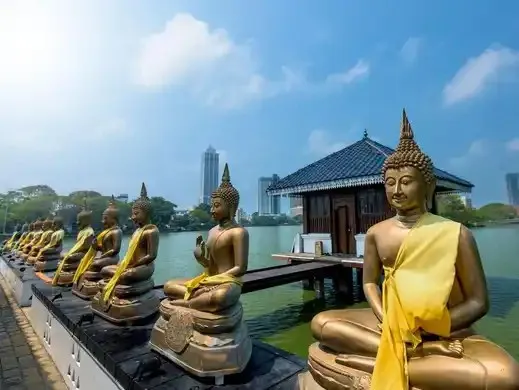
Galle Fort - built by the Portuguese and extensively fortified by the Dutch - has been a UNESCO World Heritage Site since 1988, and UNESCO describes it as the best-preserved example in South and Southeast Asia of a fortified European colonial town. Inside the walls, restored Dutch-era merchant houses trade as homes, galleries and boutique hotels, and this is the most established, most expensive part of the coast.
Bear in mind that heritage conservation rules apply within the fort, which affects what you can alter and how. Outside the walls, coastal suburbs and the inland hills around Galle offer villas and land with more flexibility.
Mirissa: beach and holiday-let territory
Mirissa is best known for its crescent beach and its whale-watching season, and its market leans heavily towards short lets and small hospitality businesses. Demand concentrates in the south-west coast's dry season, roughly December to April, when the beach towns fill up.
Stock is smaller and more mixed than in Galle - villas, guesthouses and building plots on the hillsides behind the bay - so buying here is usually about the rental story as much as the home itself.
Ahangama and Midigama: the surf corridor
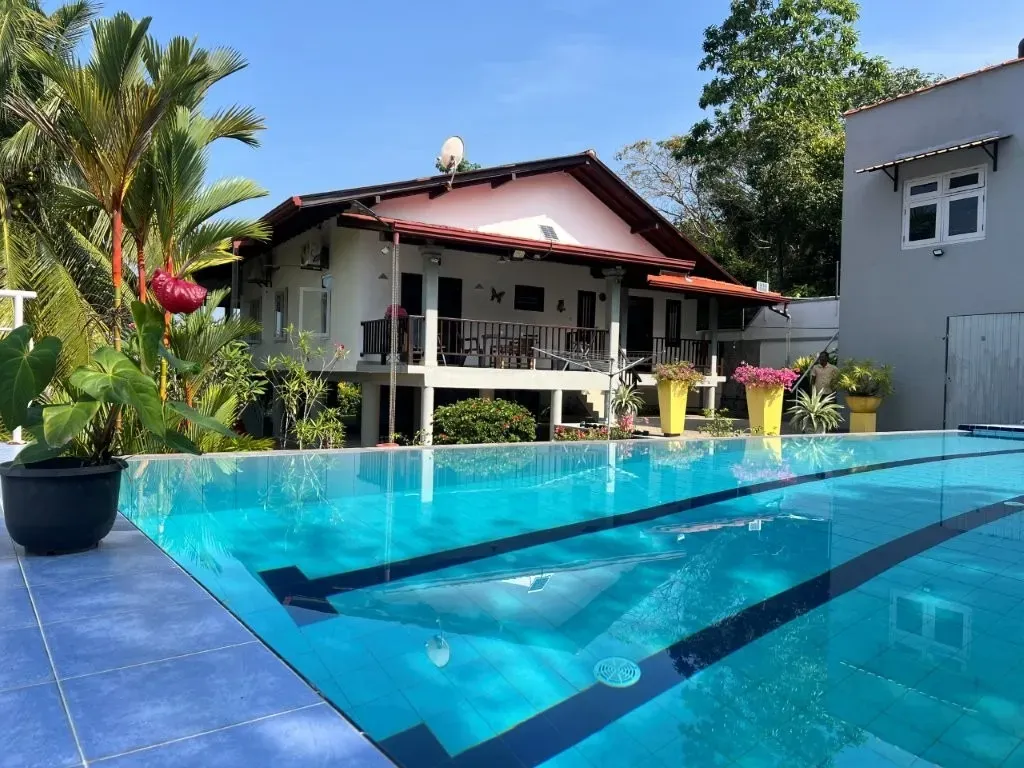
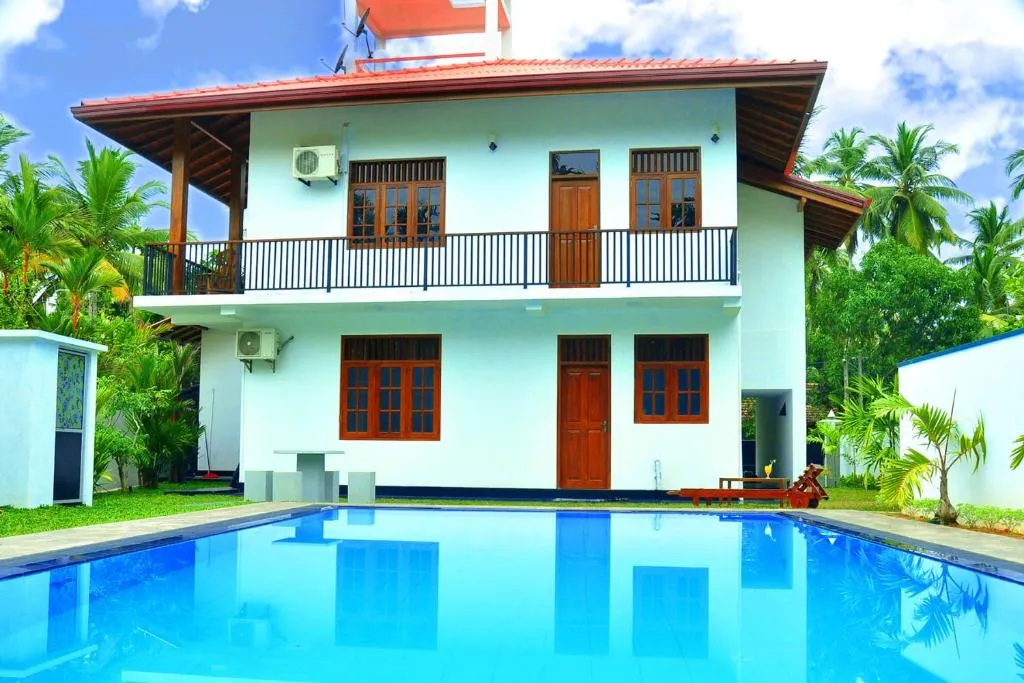
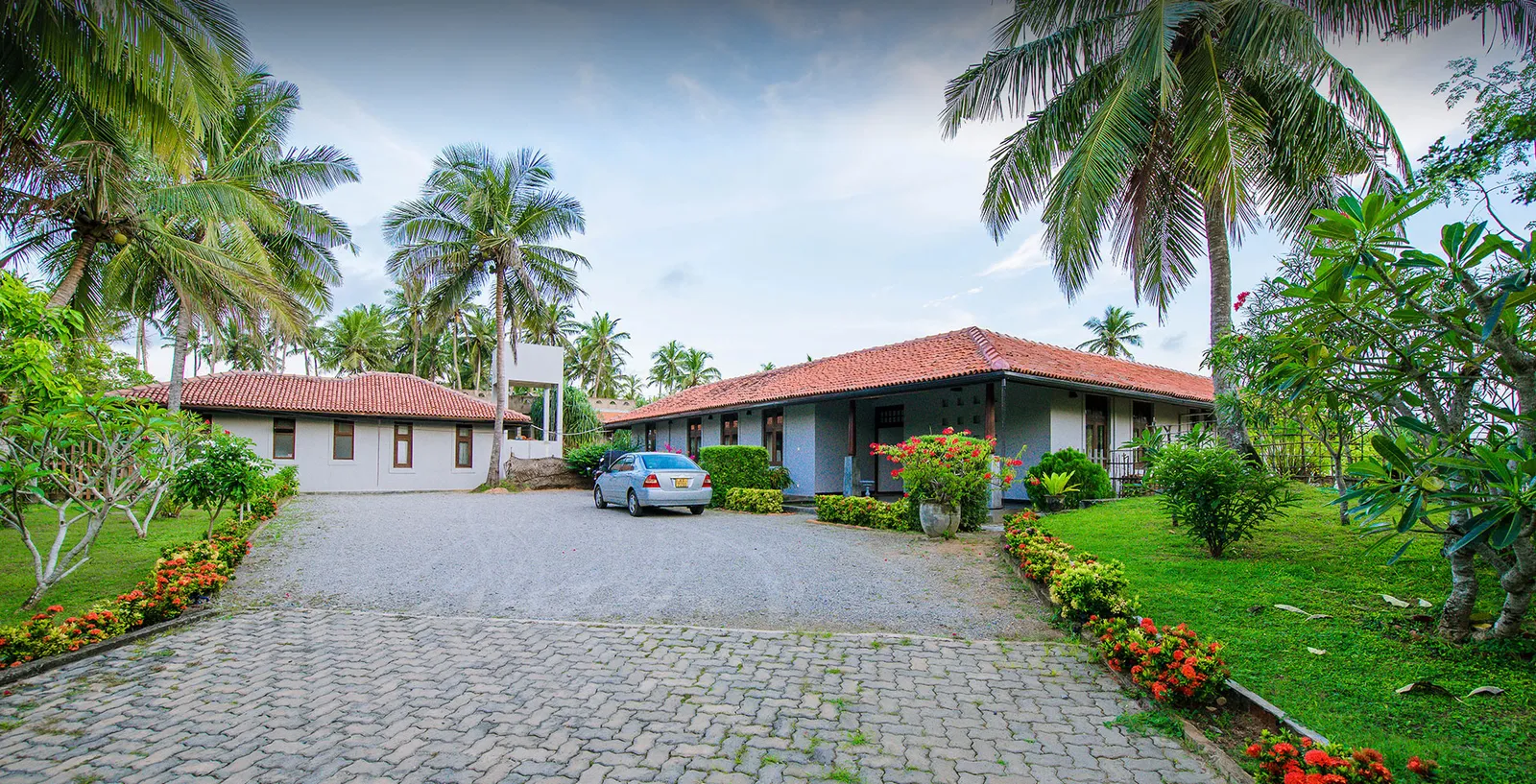
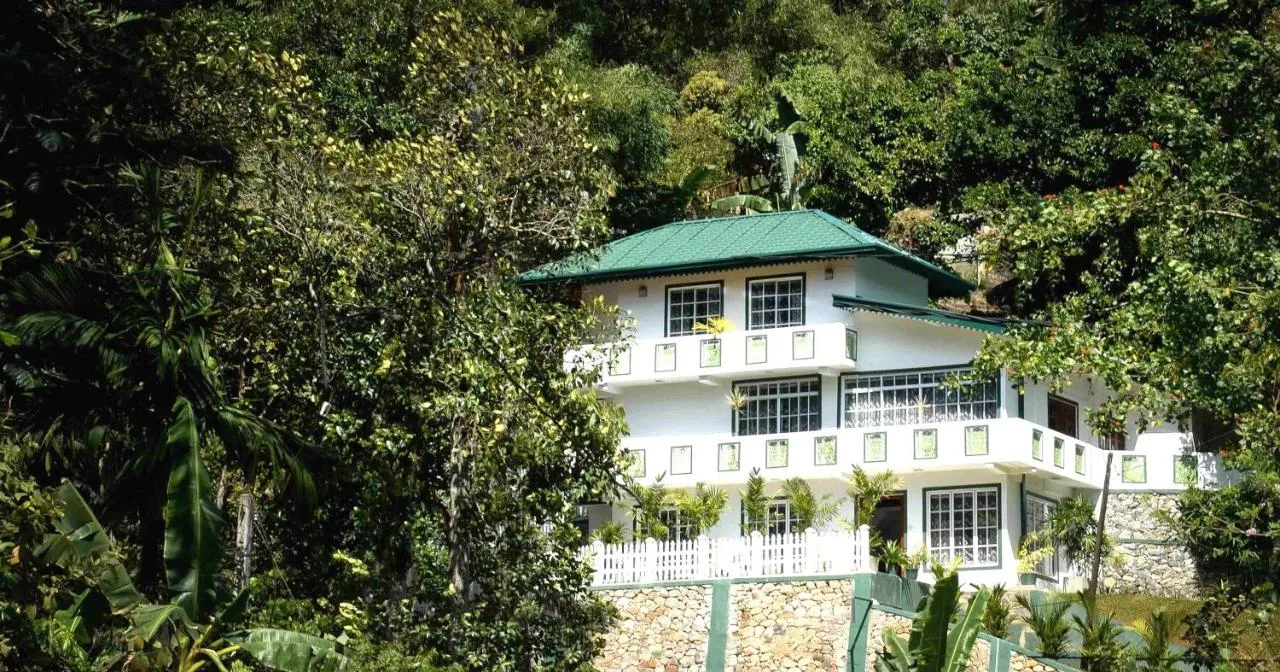
The stretch between Galle and Weligama, centred on Ahangama and Midigama, has changed fastest in recent years. A string of surf breaks has drawn a year-round crowd of surfers and remote workers, followed by cafes, co-working spaces and new-build villas set back among the paddy fields.
It is generally less expensive than Galle Fort or the Mirissa beachfront, but it is also where the most speculative development is happening - so due diligence on titles, access roads and planning is especially important.
What foreign buyers need to know
Foreign nationals cannot buy land freehold in Sri Lanka under the Land (Restrictions on Alienation) Act of 2014, so most villa and land purchases on the south coast are structured as long leases of up to 99 years. Condominium apartments are the exception: since a 2018 amendment, foreigners can own units on any floor, paid for by inward foreign remittance.
Take independent legal advice before committing. If you are comparing towns, Habio's Sri Lanka listings and area guides are a useful place to get a feel for what your budget buys where.
- No freehold land purchases for foreign nationals under the 2014 land act
- Condominium units can be owned outright, on any floor, paid via inward foreign remittance
- Villas and land are usually taken on registrable leases of up to 99 years
- Within Galle Fort, heritage conservation rules restrict alterations
Frequently asked questions
Where do most foreign buyers look on Sri Lanka's south coast?
Galle and its UNESCO-listed fort for heritage property, Mirissa for beach and holiday-let potential, and the Ahangama-Midigama surf corridor for newer villas and guesthouses at generally lower prices.
Is Sri Lanka's south coast good for holiday lets?
Tourism hit a record 2.36 million arrivals in 2025, per SLTDA data, and the south-west coast's peak season runs roughly December to April, which supports short-let demand. Returns vary a lot by property, so run your own numbers rather than relying on headline figures.
Can foreigners buy a villa in Galle or Ahangama?
Usually via a long lease of up to 99 years, because foreign nationals cannot buy land freehold in Sri Lanka. Apartments in condominium buildings can be owned outright.
How do you get to the south coast from Colombo?
The Southern Expressway connects Colombo and the international airport to Galle and Matara by car, and the coastal railway line runs along the shore through Galle towards Matara.
Sources
This article is general information, not legal, tax or financial advice. Markets and rules change — verify the current position with official sources before acting. Published 2 August 2026.
Homes in the places mentioned
Homes for sale in Sri Lanka
Live listings on Habio, updated daily.