Retiring to Malta: Residency Routes for Property Buyers
Malta offers two main residency routes that revolve around property: the Malta Retirement Programme (MRP), a special 15 per cent tax status for EU, EEA and Swiss pensioners, and the Malta Permanent Residence Programme (MPRP) for everyone else, including British retirees. Both set minimum property values, and the MPRP's were raised with effect from 1 January 2025.
Here is what each route requires in 2026, and what the property thresholds mean in practice.

Malta Retirement Programme: 15 per cent tax for EU pensioners
The MRP gives EU, EEA and Swiss nationals a flat 15 per cent tax rate on foreign pension income remitted to Malta, with a minimum tax of €7,500 a year plus €500 per dependant, according to Maltese law firm Chetcuti Cauchi. The pension must make up at least 75 per cent of your chargeable income, and you cannot take up employment in Malta.
You must also hold a qualifying home: bought for at least €275,000 in Malta or €250,000 in Gozo, or rented for at least €9,600 or €8,750 a year respectively. Beneficiaries must spend at least 90 days a year in Malta averaged over five years, and no more than 183 days in any other single country. The application fee is €2,500.
MPRP: permanent residence for non-EU nationals
The Malta Permanent Residence Programme grants third-country nationals, including Britons, permanent residence with no minimum stay requirement. Legal Notice 146 of 2025 raised the investment levels with effect from 1 January 2025.
Applicants now buy a property for at least €375,000, held for five years, or rent one for at least €14,000 a year. On top come a €60,000 administrative fee, a €37,000 government contribution, a €2,000 donation to a registered Maltese NGO, and proof of capital of €500,000 (including €150,000 in financial assets) or €650,000 (including €75,000 in financial assets), according to Maltese residency advisers Attard Baldacchino. Adult dependants other than a spouse cost €7,500 each.
- Property purchase route: minimum €375,000, held for five years
- Rental route: minimum €14,000 a year
- Fees and contributions: €60,000 administration, €37,000 contribution, €2,000 NGO donation
- No minimum days of stay; the residence card runs five years and is renewable
Which route fits which retiree
EU, EEA and Swiss pensioners will usually look at the MRP first for its 15 per cent tax rate, provided they are happy to spend at least 90 days a year in Malta. Non-EU retirees cannot use the MRP and instead go through the MPRP, which buys permanence and flexibility rather than a special tax rate.
Renting is allowed on both routes, which lets you test a town before committing to a purchase at the qualifying values.
The property side of the decision
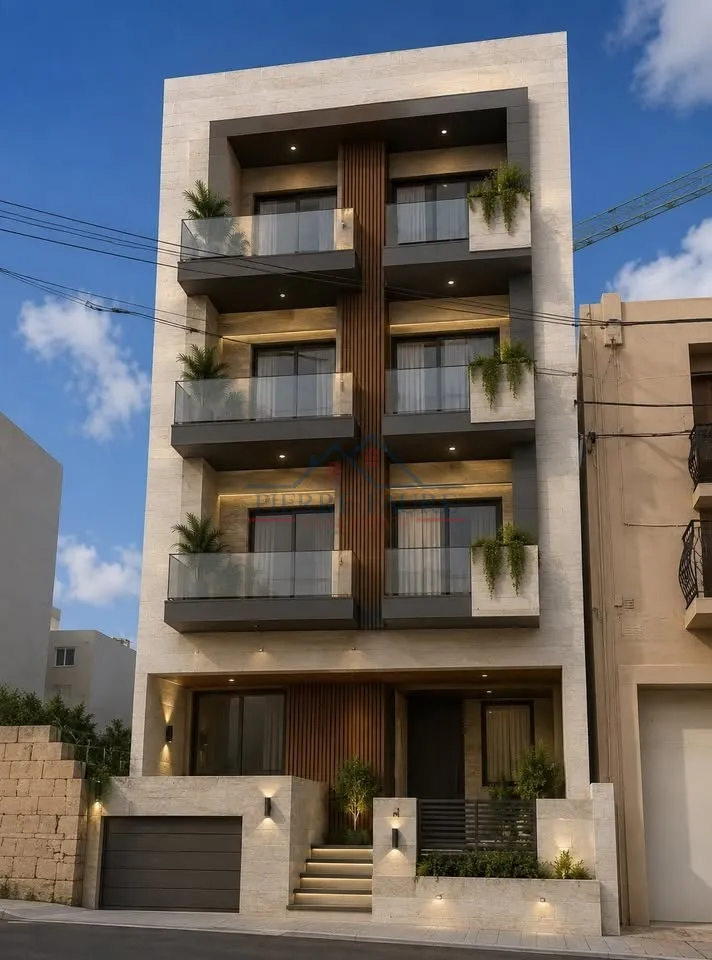
The MRP thresholds sit close to the price of a good apartment in many Maltese towns, while the MPRP's €375,000 minimum points buyers towards larger homes or Specially Designated Area developments, where non-EU buyers face no permit requirements at all. Gozo's lower MRP threshold reflects its generally lower prices.
Habio's Malta listings and buyer guides show what these budgets buy in different towns if you want to test the thresholds against the market.
Check before you commit
Both programmes require health insurance, due diligence checks and an application through an authorised registered mandatory, and the figures have changed before, most recently in 2025. Confirm the current requirements with the Residency Malta Agency and the Malta Tax and Customs Administration before planning around them.
Frequently asked questions
Can British citizens retire to Malta?
Yes, but since Brexit they count as third-country nationals, so the usual route is the Malta Permanent Residence Programme rather than the Malta Retirement Programme, which is limited to EU, EEA and Swiss nationals.
How is a foreign pension taxed under the Malta Retirement Programme?
At a flat 15 per cent on pension income remitted to Malta, subject to a minimum tax of €7,500 a year plus €500 per dependant.
Do I have to buy a property to get Maltese residency?
No. Both programmes accept renting: at least €9,600 a year in Malta or €8,750 in Gozo for the MRP, and at least €14,000 a year for the MPRP.
How long must I live in Malta under each programme?
The Malta Retirement Programme requires at least 90 days a year averaged over five years. The MPRP has no minimum stay requirement.
Does the MPRP lead to citizenship?
No. It grants permanent residence with a renewable five-year card; citizenship is a separate process with its own rules.
Sources
This article is general information, not legal, tax or financial advice. Markets and rules change — verify the current position with official sources before acting. Published 2 August 2026.
Homes in the places mentioned
Homes for sale in Malta
Live listings on Habio, updated daily.