Italy's 7% Flat Tax for Foreign Retirees: 2026 Expansion
Italy offers foreign retirees who settle in smaller southern towns a flat 7% tax on their foreign income for up to ten years. In 2026 the scheme became noticeably more accessible: Law No. 34 of 11 March 2026 raised the population cap for eligible towns from 20,000 to 30,000 residents, with effect from 7 April 2026.
According to analysis by Italian tax firm Studio BCZ, the change brought 74 previously ineligible municipalities into the regime, spread across Campania, Sicily, Puglia, Sardinia, Abruzzo, Calabria and Molise. Here is how the scheme works and what to check before you rely on it.

How the 7% regime works
The regime sits in Article 24-ter of the Italian tax code. A person who receives a pension from a foreign source and moves their tax residence to an eligible municipality can opt to pay a 7% substitute tax on all their foreign-source income, instead of Italy's ordinary progressive income tax rates. The option lasts for a maximum of ten years.
The 7% rate is not limited to the pension itself. Tax advisers Taxing.it and Studio BCZ note that it covers foreign income of any category, and that opting in also brings exemption from IVIE and IVAFE, Italy's taxes on foreign property and financial assets, as well as from foreign-asset reporting obligations.
- Flat 7% on foreign pensions, dividends, capital gains and rental income from abroad
- Lasts up to ten years from the year you opt in
- No IVIE or IVAFE on assets held abroad, and no foreign-asset reporting
- Italian-source income remains taxed at ordinary rates
Who qualifies
The conditions are specific, and all of them must be met. The regime is aimed at genuine new arrivals: you cannot have been tax resident in Italy in any of the five years before you opt in.
- You receive pension income paid by a foreign entity
- You transfer your tax residence to Italy
- You were not tax resident in Italy in any of the previous five years
- Your new home town has fewer than 30,000 inhabitants and sits in Sicily, Calabria, Sardinia, Campania, Basilicata, Abruzzo, Molise or Puglia, or is one of the designated earthquake-affected municipalities in Lazio, Marche and Umbria
What changed in 2026
Article 26 of Law No. 34 of 11 March 2026 amended Article 24-ter to lift the population threshold from 20,000 to 30,000 residents, effective 7 April 2026, according to Taxing.it. In practice this means larger, better-served towns with hospitals, rail links and year-round life now qualify, not only small villages.
Studio BCZ counts 74 newly eligible municipalities: 23 in Campania, 18 in Sicily, 18 in Puglia, 7 in Sardinia, 5 in Abruzzo, 2 in Calabria and 1 in Molise. Population figures move over time, so verify your specific town's status before committing.
Visas: EU versus non-EU retirees
The tax regime and the right to live in Italy are separate questions. EU and EEA citizens can simply register as residents. Non-EU citizens, including British retirees, generally need Italy's elective residence visa, which is designed for people who can live on passive income and does not permit any work.
Guidance from Italy Handbook puts the commonly applied income baseline at around €31,000 a year for a single applicant, roughly 20% more for a couple, with consulates often expecting more. Requirements vary by consulate, so check the Italian Ministry of Foreign Affairs' official visa portal for your country.
Points to check before you commit
The 7% regime interacts with your home country's tax system, and the details matter. Studio BCZ notes the regime works best for retirees from countries whose double tax treaty with Italy allows pensions to be taxed in the country of residence; some treaties reserve taxing rights on public-sector pensions to the paying state.
Rules of this kind are revised regularly in Italian budget laws. Take advice from a qualified cross-border tax adviser, and treat this article as a starting point rather than a plan. When you are ready to look at where you might actually live, Habio's Italy area guides and listings cover many of the qualifying regions.
- Confirm how your pension is treated under your country's tax treaty with Italy
- Verify your chosen town's population and region before you move
- Factor in healthcare registration and the cost of private cover if needed
- Get professional advice before opting in; the election has formal deadlines
Frequently asked questions
What is Italy's 7% flat tax for retirees?
An optional regime under Article 24-ter of the Italian tax code. Retirees with a foreign pension who move their tax residence to a qualifying southern town of under 30,000 inhabitants pay a flat 7% on all foreign-source income for up to ten years, instead of ordinary progressive rates.
Which towns qualify for the 7% flat tax?
Municipalities with fewer than 30,000 inhabitants in Sicily, Calabria, Sardinia, Campania, Basilicata, Abruzzo, Molise and Puglia, plus designated earthquake-affected towns in Lazio, Marche and Umbria. The 30,000 cap applies from 7 April 2026; it was previously 20,000.
Does the 7% tax cover income other than my pension?
Yes. It covers foreign-source income of any category, including dividends, capital gains and rental income from abroad, and brings exemption from IVIE, IVAFE and foreign-asset reporting. Income earned in Italy is still taxed at ordinary Italian rates.
Do I need a visa to retire in Italy under the 7% regime?
EU and EEA citizens do not; they register as residents. Non-EU citizens, including Britons, usually need the elective residence visa, which requires passive income of roughly €31,000 a year or more for a single applicant and does not allow work. Check your consulate's exact requirements.
Can I lose the 7% regime once I have it?
The option lasts up to ten years but depends on keeping the conditions, such as residence in a qualifying town and timely payment of the substitute tax. Take professional advice on the formalities, as errors can end the regime early.
Sources
This article is general information, not legal, tax or financial advice. Markets and rules change — verify the current position with official sources before acting. Published 2 August 2026.
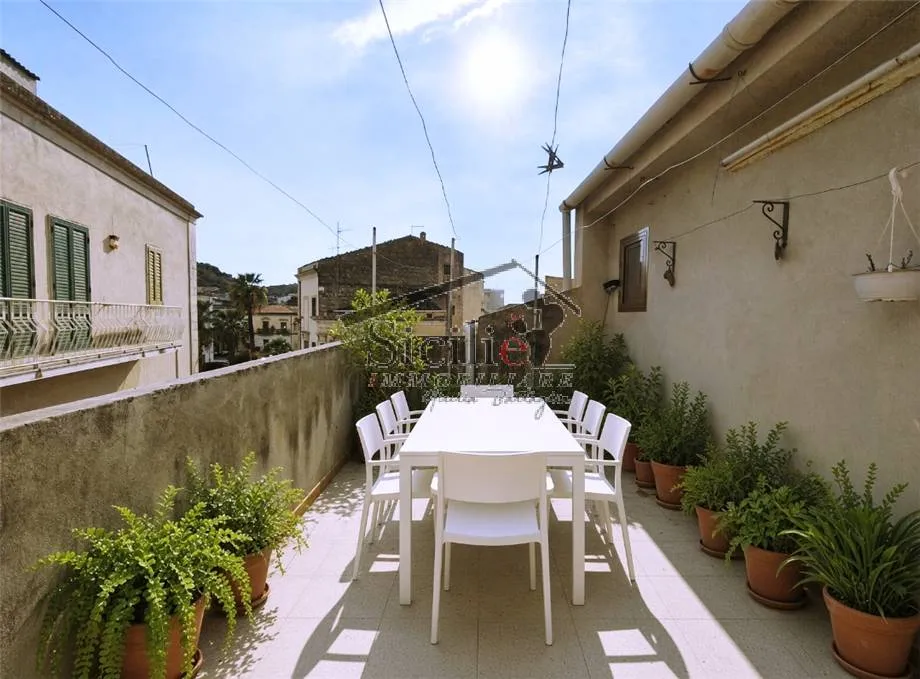
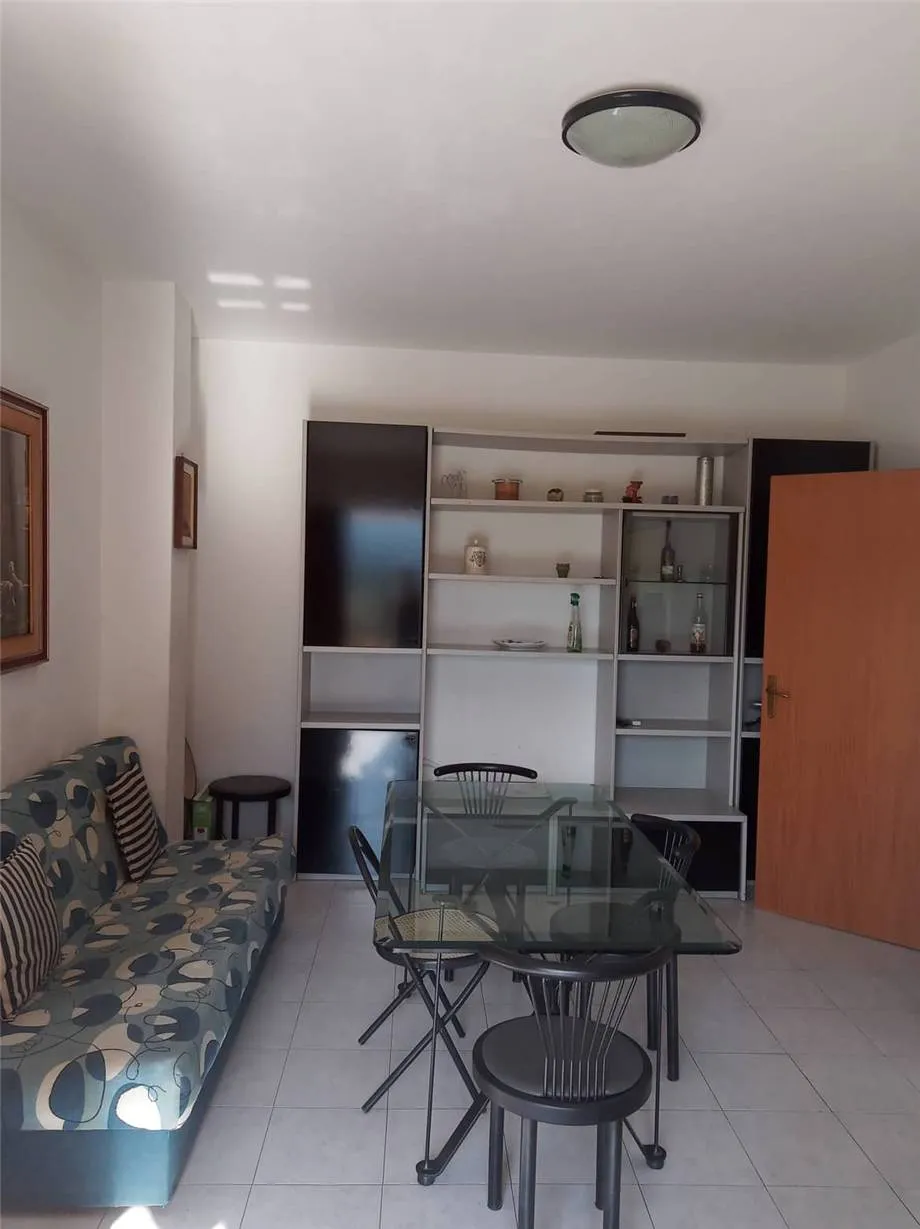
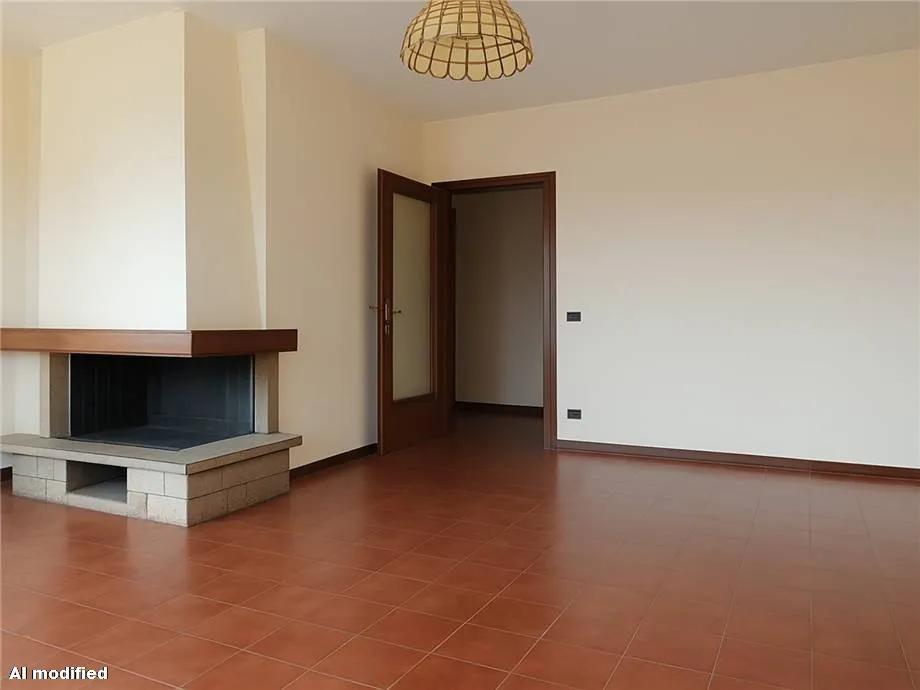
Homes for sale in Italy
Live listings on Habio, updated daily.