How to Buy Property in the US as a Foreign Buyer
You do not need to be a US citizen, green-card holder or even a resident to buy property in the United States. There is no federal restriction on foreign ownership and no special permit to apply for: the purchase process is broadly the same whether you live in Manchester or Miami.
What is different is the paperwork around it - tax identification numbers, foreign-national mortgages and, when you eventually sell, a withholding tax called FIRPTA. Here is how it all works in 2026.
Who can buy - and what ownership does not give you
Foreign buyers purchased 67,100 existing US homes worth $45.3 billion between April 2025 and March 2026, according to the National Association of Realtors (NAR), with British buyers accounting for around 2,700 of those purchases. Buyers do not need any immigration status to own property.
Be clear about what ownership does not do: it confers no right to live in the US. Visits still fall under normal visa or visa-waiver rules, and owning a home does not lead to a green card. A small number of states have also restricted purchases by citizens of a short list of specific countries (Florida passed such a law in 2023); most European buyers are unaffected, but check the current rules in your target state.
The buying process, step by step
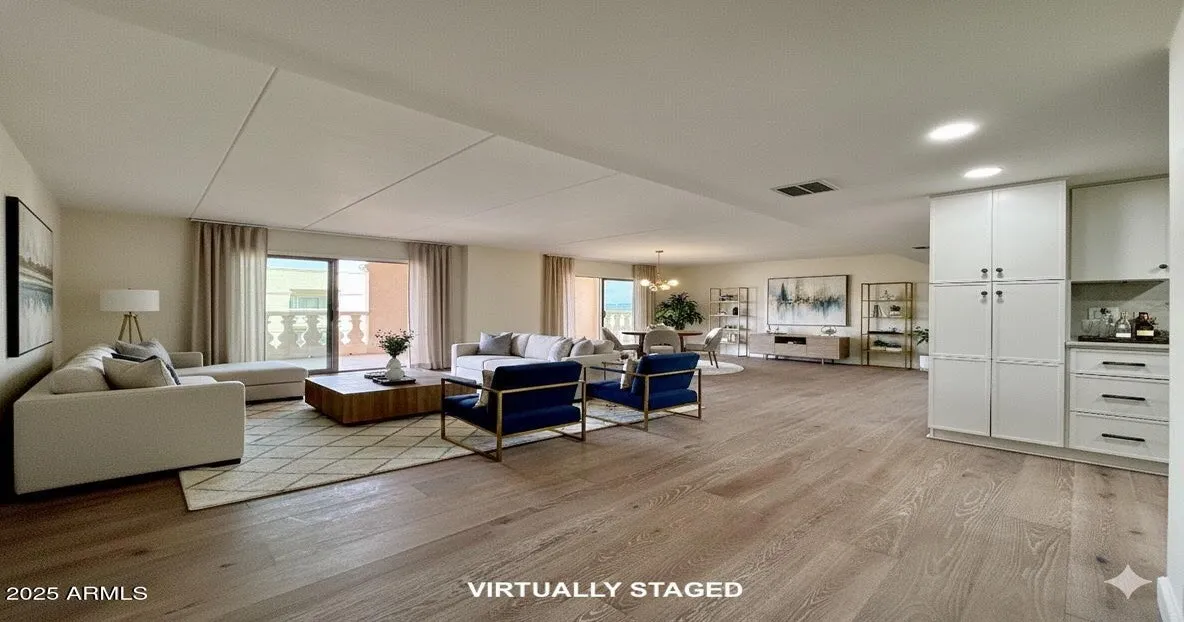
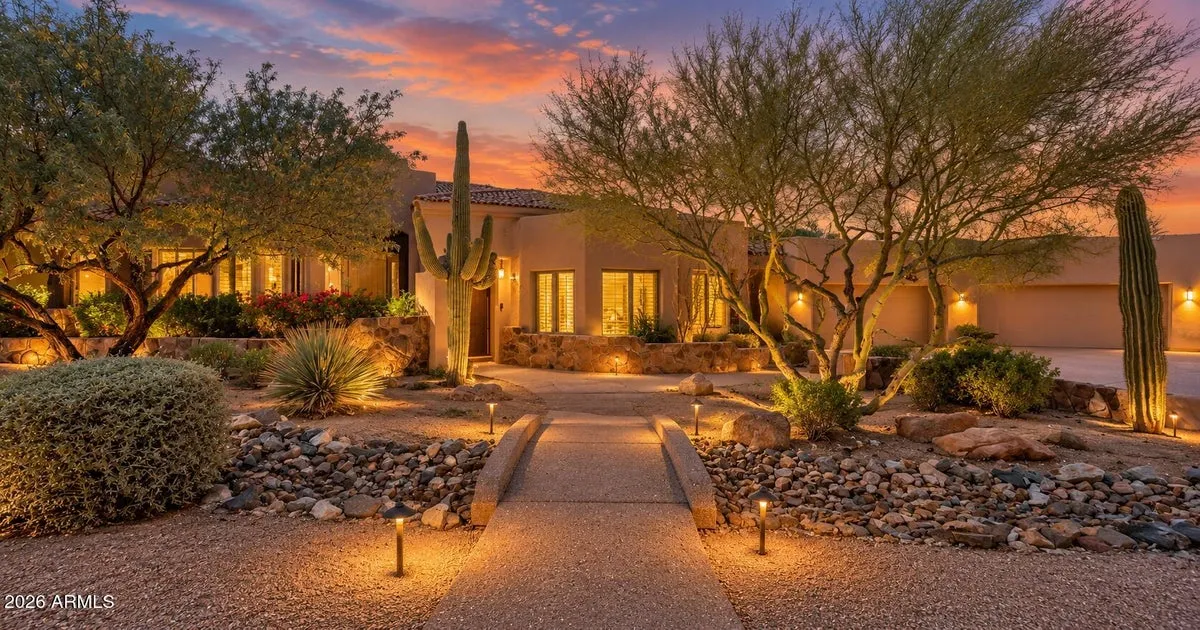
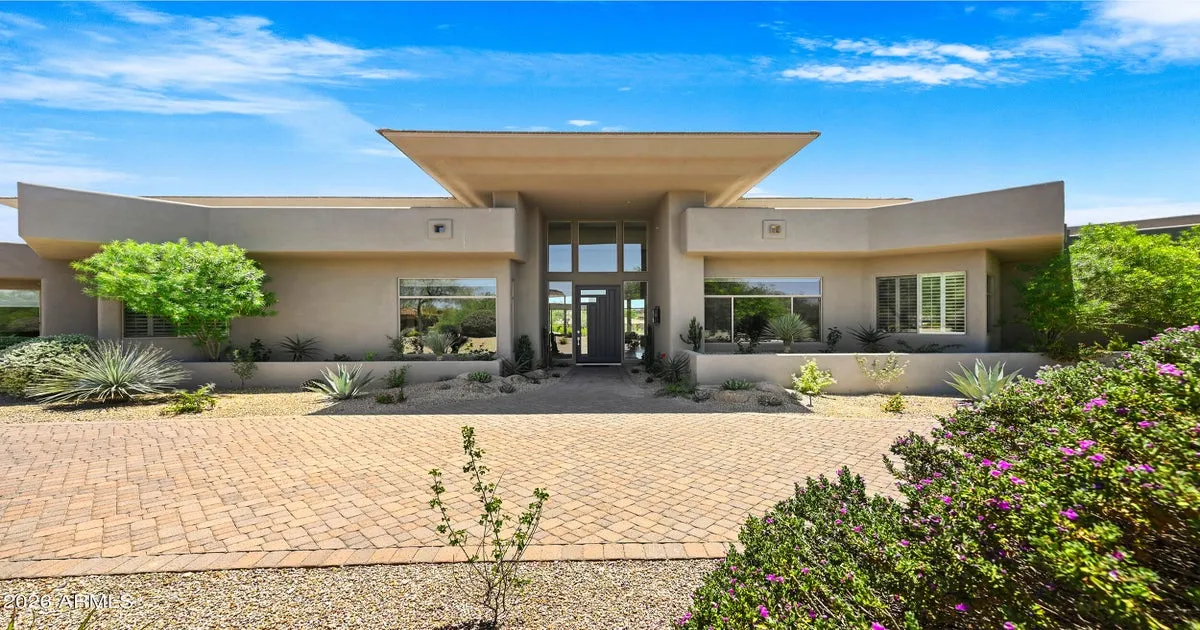
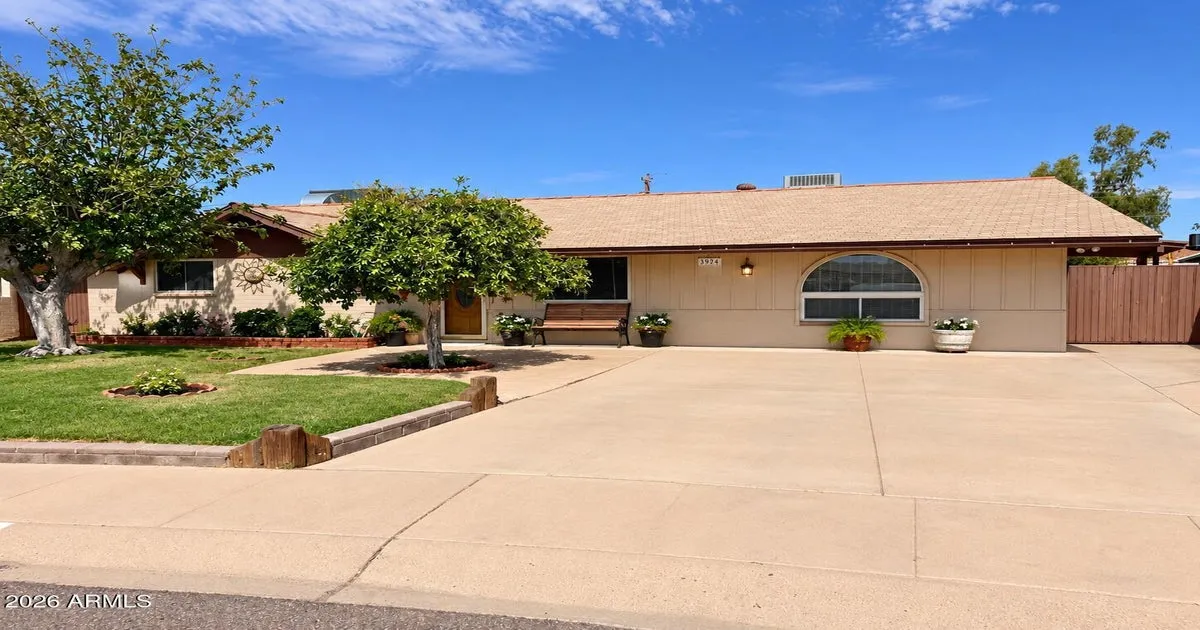
The US system will feel unfamiliar if you are used to solicitors and notaries. Closings are usually handled by title or escrow companies, and buyers purchase title insurance rather than relying on a land-registry guarantee. Habio's US listings and buyer guides are a useful way to get a feel for prices and areas before you engage an agent on the ground.
- Get finances in order: proof of funds, or a pre-approval if you plan to borrow.
- Engage a local buyer's agent and view properties (remote video viewings are common).
- Make a written offer; once signed by both sides it becomes a binding purchase contract, usually with an earnest-money deposit held in escrow.
- Complete inspections and, if borrowing, the lender's appraisal during the contingency period.
- The title company searches the title, arranges title insurance and handles closing - many foreign buyers sign remotely via power of attorney.
- At closing, funds are wired, the deed is recorded and you own the property.
Paying for it: cash or a foreign-national mortgage
Cash dominates: NAR reports that 48% of foreign buyers paid entirely in cash in the year to March 2026, against 28% of all existing-home buyers. That is partly practical - borrowing without a US credit history is harder and dearer.
US lenders do offer foreign-national mortgage programmes, but expect a larger down payment, more documentation and a higher rate than the headline market. For context, the average 30-year fixed rate for domestic borrowers was 6.66% at the end of July 2026, according to Freddie Mac's weekly survey. Factor in currency risk too: a dollar mortgage paid from sterling or euro income moves with the exchange rate.
Taxes while you own
There is no federal surcharge for foreign purchasers - unlike stamp-duty surcharges in some countries, buying costs the same as it does for locals. Ongoing property taxes are set locally and vary a lot by state and county.
If you let the property, US rental income is taxable in the US and you will need an Individual Taxpayer Identification Number (ITIN) to file. Non-resident owners can also face US estate tax on death with a much lower exemption than US citizens enjoy, so anyone buying a significant asset should take cross-border tax advice early - the IRS website is the authoritative starting point.
Selling later: how FIRPTA works
The Foreign Investment in Real Property Tax Act (FIRPTA) applies when a foreign person sells US property. The buyer must generally withhold 15% of the gross sale price and pay it to the IRS. It is not an extra tax - it is a prepayment against your capital gains bill, and you file a US tax return to reclaim anything withheld above the actual tax due.
Withholding can be reduced or removed in some cases, and sellers can apply for a withholding certificate (Form 8288-B) before closing to cut the upfront amount. Rules can change, so check the IRS FIRPTA pages or a US tax adviser before you sell.
- Sale price $300,000 or less, and the buyer will use it as their residence: no withholding.
- Sale price over $300,000 up to $1 million, with buyer residence use: 10% withholding.
- All other sales by foreign owners: 15% of the gross price withheld at closing.
Frequently asked questions
Can a foreigner buy a house in the USA?
Yes. There is no citizenship or residency requirement and no federal restriction on foreign ownership. Ownership does not grant any visa or right to live in the US, and a few states restrict buyers from a short list of specific countries.
What is FIRPTA and how much is withheld?
FIRPTA requires the buyer to withhold generally 15% of the gross price when a foreign owner sells US property, as a prepayment of capital gains tax. It falls to 10% or zero for cheaper homes the buyer will live in, and excess withholding is refunded after you file a US tax return.
Can I get a US mortgage without a green card?
Yes. Foreign-national mortgage programmes exist, but expect a larger down payment, more paperwork and a higher rate than the roughly 6.7% average 30-year rate Freddie Mac reported in late July 2026. In practice 48% of foreign buyers pay cash, per NAR.
Do foreign buyers pay extra tax when buying US property?
No. Purchase costs are the same as for American buyers - there is no federal foreign-buyer surcharge. Differences arise later, on rental income, estate tax and the FIRPTA withholding when you sell.
Do I need to be in the US to complete a purchase?
No. Offers, signings and closing can usually be handled remotely through your agent and the title company, often using a power of attorney, with funds wired from abroad.
Sources
This article is general information, not legal, tax or financial advice. Markets and rules change — verify the current position with official sources before acting. Published 2 August 2026.
Homes for sale in United States
Live listings on Habio, updated daily.