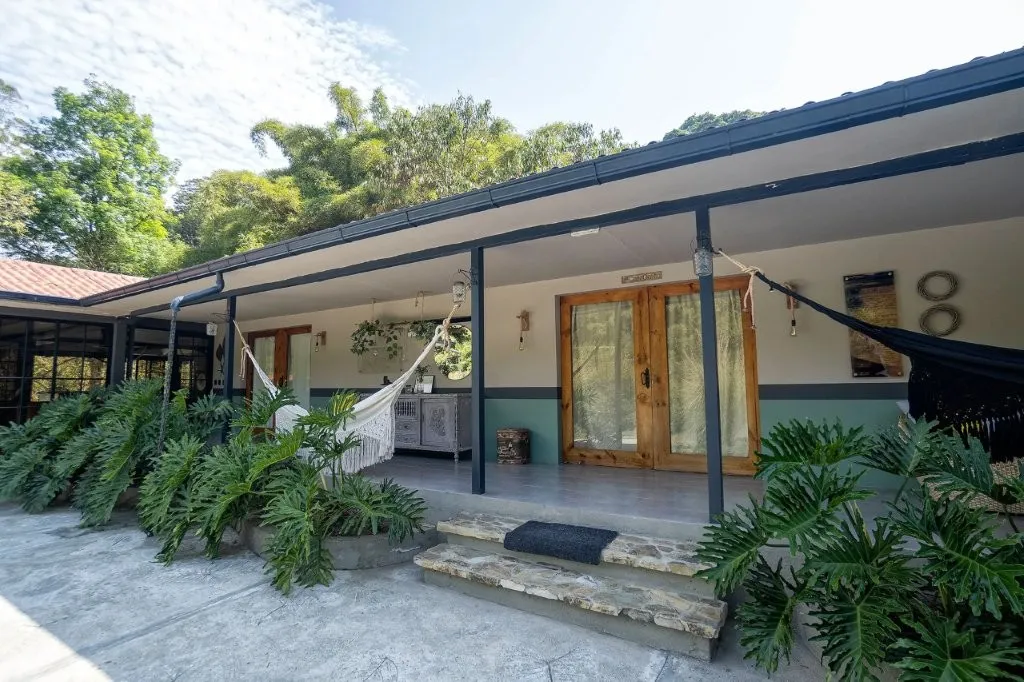
How to Buy Property in Colombia as a Foreigner
Colombia is one of the more straightforward countries in Latin America for a foreign buyer. The constitution establishes equality between nationals and foreigners in civil matters, so you can own property outright in your own name, with no nationality quotas, no special permits and no requirement for a local partner. You do not even need residency: a tourist entry is enough to sign a deed.
Two things do set Colombia apart, and both catch people out. First, ownership only passes when the deed is registered, not when it is signed. Second, if you ever want to take your money out of the country again, you must register it with the central bank when it comes in. This guide walks through both.

Equal rights, no special permits
Foreigners buy Colombian property on the same legal footing as citizens. Legal guides such as VLO Abogados note that no prior authorisation is required for ordinary residential or commercial purchases, and reporting by The Rio Times confirms there are no nationality quotas or local-partner rules. The complexity lies not in whether you may buy, but in the procedural, tax and currency steps around the purchase.
The purchase, step by step
A Colombian purchase runs through three stages, and the order matters. A signed deed alone does not make you the owner - registration does.
- Promesa de compraventa: a binding preliminary contract fixing the property, price and payment terms, usually with a deposit of around 10-30%.
- Escritura publica: the public deed, signed before a Colombian notary. If you cannot attend, you can grant a notarised power of attorney.
- Registration at the Oficina de Registro de Instrumentos Publicos: title passes only once the deed is registered, which typically takes 5-15 business days in major cities.
- Certificado de tradicion y libertad: the official registry record of who owns the property and any liens. It is the document that proves ownership.
What closing costs to budget
Reporting by The Rio Times suggests budgeting roughly 5-7% of the purchase price all-in, including legal help. Colombia has no title insurance, so an independent title review by your own lawyer is not optional - it is your main protection.
- Notary fees: roughly 0.3-0.7% plus VAT, usually shared between buyer and seller.
- Registry fees: roughly 0.5-1% of the price.
- Registration tax (impuesto de registro): according to VLO Abogados, 0.5-1% of the higher of the agreed price or the cadastral valuation.
- Ask the seller for paz y salvo certificates showing the annual property tax (predial) and any building administration fees are fully paid.
Register your money with the central bank
Bring your purchase funds into Colombia through the formal exchange market and have them registered as foreign direct investment with Banco de la Republica, under the exchange rules of Circular Reglamentaria Externa DCIN-83. Registration is what gives you the legal right to repatriate your capital, send rental income abroad and take out sale proceeds later.
The purchase itself remains valid without registration, but only registered amounts can legally leave the country. VLO Abogados gives a blunt example: invest USD 500,000 but register only USD 300,000, and only USD 300,000 can be repatriated. Late registration exists but involves formal procedures, so get it right at the time of purchase. The same registration certificate is also the evidence you need if you later apply for an investor visa.
Pesos, exchange rates and timing
Deeds are executed in Colombian pesos, so the exchange rate on the day you convert your money effectively sets your price. In mid-2026 the peso was trading at around 3,150 to the US dollar, per The Rio Times - materially stronger than in recent years, which cuts both ways: a stronger peso makes property dearer in foreign currency but flatters the value of what you already own.
If you are weighing up where in Colombia to buy, Habio has Colombian listings alongside area guides and buyer guides that cover the main expat destinations.
Frequently asked questions
Can foreigners own property in Colombia outright?
Yes. Foreigners have the same property rights as Colombian citizens under the constitution, with 100% freehold ownership in your own name and no requirement for a local partner or special permit.
Do I need a visa or residency to buy property in Colombia?
No. You can buy while visiting on a tourist entry. If you cannot be present to sign the deed, a notarised power of attorney lets a lawyer sign for you.
How much are buying costs in Colombia on top of the price?
Budget roughly 5-7% all-in, covering notary fees (about 0.3-0.7% plus VAT), registry fees (about 0.5-1%), registration tax (0.5-1%) and independent legal advice.
What happens if I do not register my investment with Banco de la Republica?
The purchase is still legally valid, but you can only repatriate amounts that were registered as foreign investment. Unregistered capital is very hard to take out of Colombia later, so register the full amount at the time of purchase.
Does buying property in Colombia give me residency?
Not automatically. Colombia has a separate migrant visa for property investors with a minimum investment threshold tied to the national minimum wage; the purchase alone confers no immigration status.
Sources
This article is general information, not legal, tax or financial advice. Markets and rules change — verify the current position with official sources before acting. Published 2 August 2026.
Homes for sale in Colombia
Live listings on Habio, updated daily.