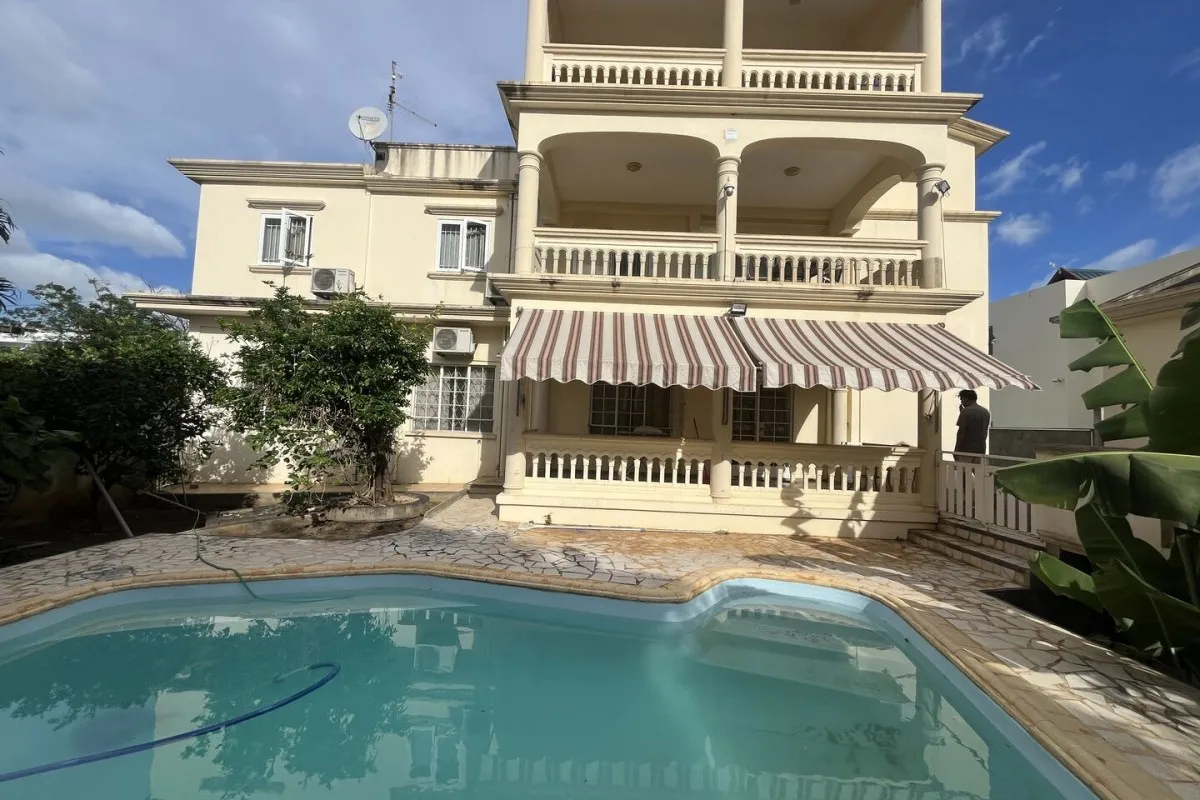
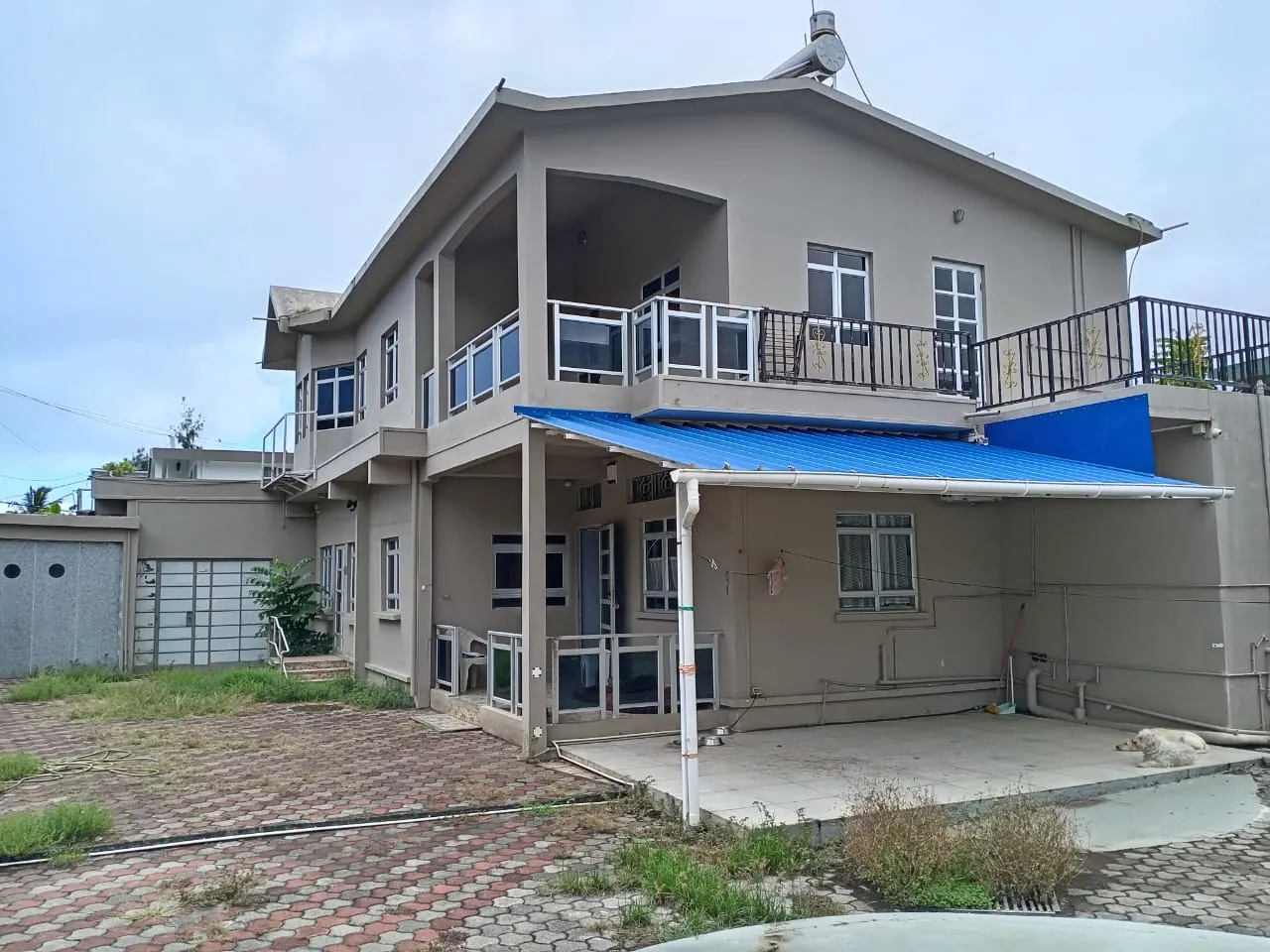
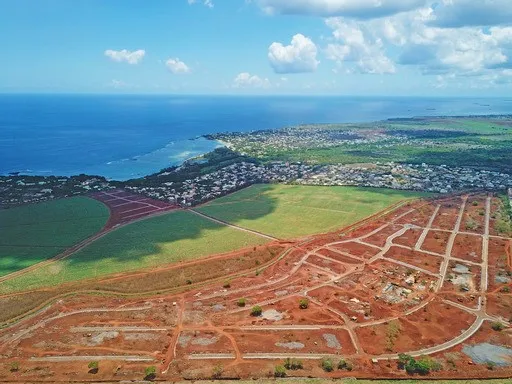
How foreigners can buy property in Mauritius in 2026
Mauritius is one of the few Indian Ocean destinations where foreigners can own freehold property outright, but only through government-approved routes. The main ones are the Integrated Resort Scheme (IRS), the Real Estate Scheme (RES), the Property Development Scheme (PDS), the Smart City Scheme and apartments in buildings of at least ground plus two floors.
The figure to remember is US$375,000. Buy at or above that level under an approved scheme and, according to the Economic Development Board (EDB) residency portal, you qualify for a residence permit that lasts for as long as you own the property, with your spouse and children under 24 included.

The approved schemes at a glance
Non-citizens cannot simply buy any house on the open market. Instead, purchases go through schemes supervised by the EDB, each tied to a particular type of development. All of them allow villas, apartments, townhouses or penthouses to be bought freehold, rented out without restriction, and resold with no limits on repatriating the proceeds, according to the EDB residency portal.
- Integrated Resort Scheme (IRS): resort-style estates with golf courses, marinas and beach clubs; includes serviced plots of up to 1.25 acres.
- Real Estate Scheme (RES): smaller developments, typically on former agricultural land, sold under similar conditions.
- Property Development Scheme (PDS): the current framework for new luxury residential projects with shared leisure facilities.
- Smart City Scheme: mixed-use live-work-play developments such as Moka, Uniciti, Beau Plan, Mon Choisy, Azuri and Cap Tamarin.
- Ground +2 apartments: flats in condominium buildings of at least two floors above ground, from MUR 6 million.
- Invest Hotel Scheme: hotel units bought as an investment rather than a home.
The US$375,000 residence permit threshold
Under the IRS, RES, PDS and Smart City Scheme, a purchase of at least US$375,000 entitles the buyer to a Mauritian residence permit valid for as long as they hold the property. The EDB states that the spouse and children below the age of 24 are also granted residence permits, and that permit holders are exempt from needing a separate occupation or work permit to invest and work in Mauritius.
There is no obligation to live on the island, and owners can let their property freely. Scheme owners may also elect to become Mauritian tax residents, which matters because of the country's comparatively light tax regime.
Apartments from MUR 6 million: the ground-plus-two route
If a resort villa is beyond your budget, non-citizens may also buy apartments in ordinary condominium buildings of at least ground plus two floors, at a minimum price of MUR 6 million (or the equivalent in hard currency). This route opens up far more of the island, including towns outside the gated schemes.
The residency rule still applies at the higher level: spend at least US$375,000 on a qualifying apartment and the EDB grants a residence permit valid for as long as you remain the owner. Below that threshold you own the flat but do not receive residency through it.
Taxes and fees when you buy
The buyer pays registration duty at an effective rate of 5% of the price. The seller normally pays land transfer tax at 5%, but PwC's Mauritius tax summary (reviewed March 2026) notes that from 1 July 2026 this rises to 10% where a non-citizen acquires residential property under the EDB schemes or a qualifying apartment - a cost sellers may look to reflect in asking prices. Sales of residential buildings are exempt from Mauritius's 15% VAT.
These rates can change at each annual budget, so confirm the current position with the Mauritius Revenue Authority or the EDB before committing.
How the process works
Applications to acquire property as a non-citizen are made through the EDB, which vets both the project and the buyer before the notarial deed is signed. Developers of scheme projects handle much of the paperwork, but independent legal advice is still worth having.
If you are weighing up locations or budgets, Habio has Mauritius listings, area guides and buyer guides you can explore before speaking to developers.
Frequently asked questions
Can foreigners buy property in Mauritius?
Yes, but only through approved routes: the IRS, RES, PDS and Smart City schemes, apartments in buildings of at least ground plus two floors (from MUR 6 million), and the Invest Hotel Scheme. Purchases are vetted by the Economic Development Board.
Does buying property in Mauritius give you residency?
A purchase of at least US$375,000 under an approved scheme grants a residence permit valid for as long as you own the property. Your spouse and children under 24 are included, and you are exempt from needing a separate work or occupation permit.
What is the minimum investment for a foreigner to buy in Mauritius?
Apartments in ground-plus-two buildings start at MUR 6 million (roughly US$130,000 at recent exchange rates). Residency through property requires at least US$375,000.
Can I rent out a property I buy in Mauritius?
Yes. The EDB confirms scheme owners may rent their property without restriction and repatriate rental income and sale proceeds freely.
What taxes do I pay when buying property in Mauritius?
Buyers pay 5% registration duty. Sellers pay land transfer tax, which PwC reports rises from 5% to 10% from 1 July 2026 on scheme sales to non-citizens. Residential sales are exempt from VAT.
Sources
This article is general information, not legal, tax or financial advice. Markets and rules change — verify the current position with official sources before acting. Published 2 August 2026.
Homes for sale in Mauritius
Live listings on Habio, updated daily.