France's Wine Harvest Shrinks: Impact on Property Markets
France is grappling with its smallest wine harvest since 1957, an occurrence heavily influenced by recent extreme weather patterns. With wine production estimated at 33.9 million hectolitres for 2026, down 17% from the previous five-year average, potential property buyers may find local real estate conditions in wine-producing regions shifting.
It's crucial to understand how such significant changes in agriculture could reverberate through local economies and what this might mean for real estate markets. Let's explore these dynamics and what prospective buyers should keep in mind.

Impact on Wine-Producing Regions
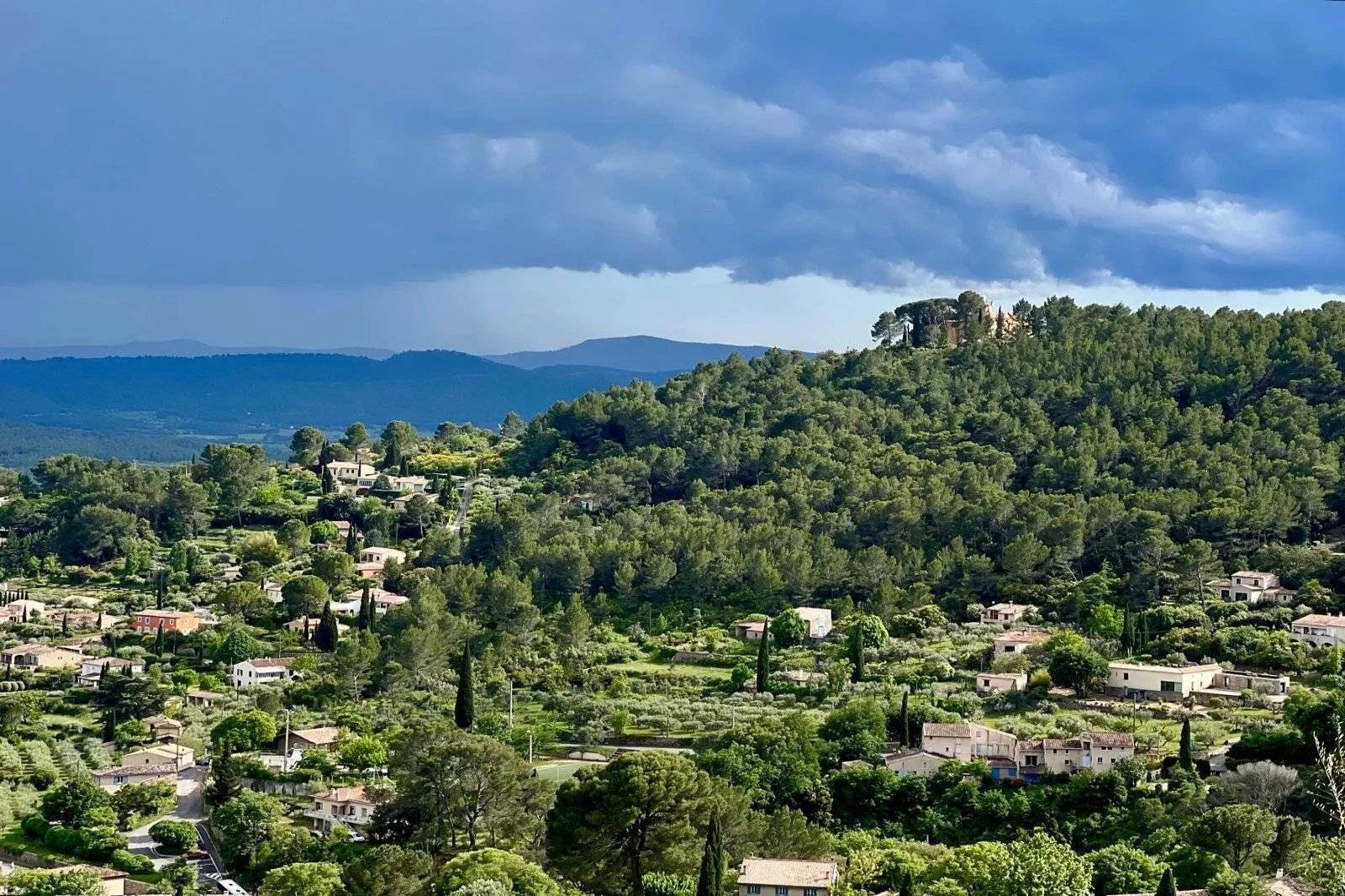
French wine regions, historically buoyant due to their globally recognized wine production, are currently under economic strain. In regions like Bordeaux, the crisis is palpable; land values are dropping as vineyards face profitability challenges. Some estates have even resorted to uprooting vines due to financial pressures.
Champagne, traditionally a stalwart of the wine sector, faces a dramatic 50% fall in output compared to 2025 and the preceding five-year period, indicating stark regional variations and economic implications.
Agricultural and Economic Challenges
The broader economic ramifications are significant. The French government has pledged over €1 billion to aid farmers during this crisis. However, agricultural unions are calling for at least double this amount to adequately address the economic downturn, highlighting the depth of distress in the sector.
The economic health of local communities, heavily reliant on the wine industry, might face further upheaval without effective interventions. Troubled agricultural sectors can lead to reduced employment and limited community services, which prospective homeowners should carefully consider.
Real Estate Implications
Given the economic uncertainties, property values in these regions may decline as the appeal of investing in an agriculturally dependent community diminishes. Potential buyers should critically assess the resilience of local economies to agricultural downturns before investing.
In a context where climate patterns are increasingly unpredictable, French wine-producing regions face the dual challenge of adapting to environmental shifts and maintaining their economic stability. Those looking to invest should consider long-term climate impacts on agriculture and property viability.
Consider Climate Change
The summer of 2026 was the hottest on record in France, with average temperatures pushing agricultural stress to new extremes. Such conditions are triggering earlier grape harvests and exacerbating fears of further production declines.
Climate change is swiftly altering the landscape of the French wine industry and its associated local economies, a factor that potential property buyers cannot afford to overlook. Being informed about these dynamics is key to making sound investment decisions.
Frequently asked questions
How much is French wine production expected to decrease in 2026?
Wine production in France is expected to decrease by 6% in 2026 compared to 2025, totalling approximately 33.9 million hectolitres.
What support has the French government offered to farmers?
The French government has pledged over €1 billion in emergency support for farmers, though industry groups argue that this is insufficient.
How is the wine production decline affecting French property markets?
The decline may lower property values in wine-producing regions due to economic instability and decreased investment attractiveness.
What regions are most affected by the wine harvest decline?
Champagne and Bordeaux are notably impacted, with Champagne facing a 50% cut in output compared to previous averages.
How does climate change affect French wine regions?
Climate change is causing extreme temperatures and drought, affecting yields and economic stability in regions reliant on wine production.
Sources
- Viticulture. Une production viticole 2026 estimée à 34 millions d’hectolitres|Agreste, la statistique agricole
- Entre canicule et arrachage, la vendange 2026 recule à un niveau historiquement bas, selon des estimations - 07/09/2026 à 12:12 - AMP Boursorama
- Scorching summer pushes French wine harvest to new low
- Saving French agriculture means changing its model
- Burdeos, una de las mecas del vino sufre la tormenta perfecta
This article is general information, not legal, tax or financial advice. Markets and rules change — verify the current position with official sources before acting. Published 7 September 2026.
Homes for sale in France
Live listings on Habio, updated daily.