Buying Property in Pakistan: Taxes and Fees in 2026
Pakistan's property taxes changed significantly with the Finance Act 2026, gazetted on 26 June 2026. From 1 July 2026 the advance tax collected when you buy is a flat 1.25% of fair market value, and the tax collected from the seller is a flat 2.75% — replacing a system of value slabs where non-filers could pay up to 18.5% on a purchase.
Here is what buyers actually pay in 2026: the federal advance taxes, how the FBR's valuation tables set the taxable value, the provincial stamp duty and registration costs on top, and the taxes that apply later when you hold or sell.

How the taxable value is set: FBR valuation tables
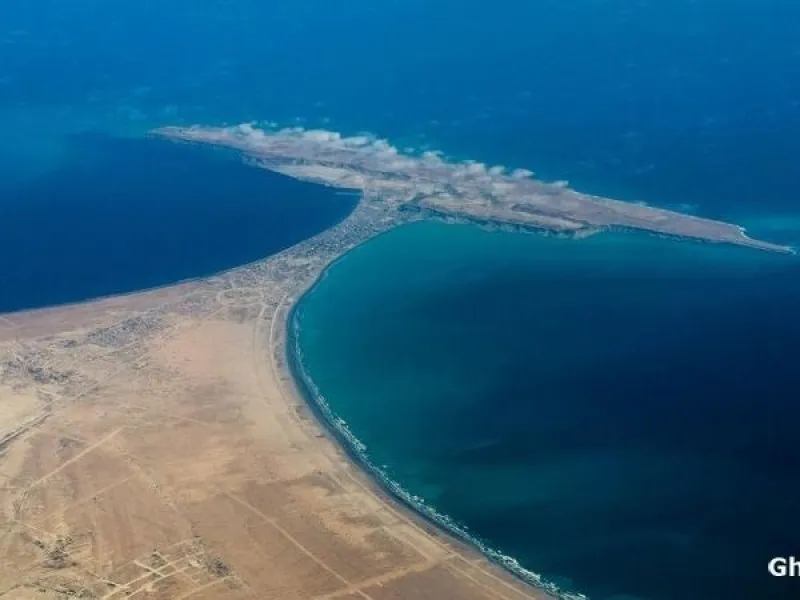
Federal property taxes in Pakistan are not calculated on whatever price you agree with the seller alone. The Federal Board of Revenue publishes valuation tables setting fair market values for immovable property in more than 60 cities — including Islamabad, Karachi, Lahore, Rawalpindi, Peshawar, Quetta, Multan, Faisalabad and Gwadar — and advance tax on a purchase is charged on this fair market value.
The tables are revised from time to time and differ street by street and category by category (plots, built-up houses, flats, commercial). Before budgeting, look up the current table for your city on the FBR website, because the taxable value can differ noticeably from the headline asking price.
- FBR valuation tables cover 60+ cities and set the fair market value used for federal taxes
- Values vary by locality and property category within each city
- Tables are updated periodically — always check the current version on fbr.gov.pk
Advance tax when you buy (section 236K)
At transfer, the registering authority collects an advance income tax from the buyer under section 236K. The Finance Act 2026 set this at a flat 1.25% of the property's fair market value from 1 July 2026.
This is a genuine simplification. In tax year 2026 (to 30 June 2026), KPMG's withholding tax rate card shows the buyer's rate was slabbed: 1.5% for active filers on properties up to 50 million rupees (2% up to 100 million, 2.5% above), rising to 4.5%–6.5% for late filers and a punishing 10.5%–18.5% for people not on the Active Taxpayer List. The advance tax is generally adjustable against your income tax liability if you file a Pakistani return, so keep the payment evidence.
- From 1 July 2026: flat 1.25% of FBR fair market value on purchase
- Previous year for comparison: 1.5%–2.5% for filers, up to 18.5% for non-filers
- Adjustable against your Pakistani income tax liability — keep the computerised payment receipt
Provincial costs: stamp duty and registration
On top of federal advance tax, the provinces charge their own transfer costs. PwC's Pakistan tax summary notes that stamp duty is a provincial levy on the sale or transfer of immovable property at rates that vary by location, and that registration fees are likewise provincial. Housing authorities and private societies (for example DHA schemes) also charge their own transfer and membership fees, which can be material.
Because these rates differ between Punjab, Sindh, Khyber Pakhtunkhwa, Balochistan and the Islamabad Capital Territory — and change with provincial budgets — confirm the current schedule with the local registrar, excise and taxation department or the society's transfer office before completion day.
- Stamp duty and registration fees are provincial and vary by location
- Housing societies and development authorities levy their own transfer fees on top
- Get a written breakdown of all transfer costs from the registrar or society office before paying a deposit
Taxes while you own: deemed income and property tax
Owning higher-value property carries an annual federal charge. Under the deemed-income rules described in PwC's summary (reviewed 19 January 2026), a resident owning immovable property in Pakistan is taxed as if the property yielded income of 5% of its fair market value, taxed at 20% — an effective 1% a year. Properties with a fair market value up to 25 million rupees are excluded, as is one self-owned residence, among other exemptions.
Separately, the provinces levy ordinary annual property tax, collected by provincial excise and taxation departments at locally set rates.
- Deemed-income tax: effectively 1% a year of fair market value on properties above 25 million rupees, with exemptions
- One self-owned house is among the exclusions
- Annual provincial property tax applies in addition, at local rates
When you sell: section 236C and capital gains tax
Sellers face two charges. First, advance tax under section 236C, collected at transfer — a flat 2.75% of the gross consideration from 1 July 2026 under the Finance Act 2026 (in the prior year it was 4.5%–5.5% for filers and 11.5% for non-filers, per KPMG's rate card). Second, capital gains tax on any profit.
For property acquired on or after 1 July 2024, PwC's summary states the gain is taxed at a flat 15% for sellers on the Active Taxpayer List, while those not on the list pay normal slab rates with a 15% minimum. For property acquired earlier, the old holding-period regime still applies — rates taper from 15% down to zero, with open plots reaching 0% after six years, constructed property after four and flats after two. One more trap: if you bought a property costing over 5 million rupees outside banking channels, the cost cannot be counted when computing the taxable gain.
- Seller's advance tax under 236C: flat 2.75% of consideration from 1 July 2026
- CGT: flat 15% for ATL sellers on property acquired on or after 1 July 2024
- Pre-July-2024 purchases keep holding-period rates that can taper to 0%
- Pay through banking channels — otherwise the purchase cost is ignored for CGT
Budgeting realistically
For a straightforward 2026 purchase by a tax filer, the federal advance tax is 1.25% of FBR value, with provincial stamp duty, registration and any society fees on top; the exact total depends on province and scheme. Rates in Pakistan move with every Finance Act and provincial budget, so treat any figure — including these — as a prompt to verify against the FBR's current rate card and your provincial registrar before signing.
If you are still comparing cities or neighbourhoods, Habio's Pakistan area guides and listings can help you shortlist before you commission a lawyer's title check.
Frequently asked questions
How much tax does a buyer pay on property in Pakistan in 2026?
From 1 July 2026, advance tax under section 236K is a flat 1.25% of the FBR fair market value, per the Finance Act 2026. Provincial stamp duty, registration fees and any housing-society transfer charges are additional.
What are FBR valuation tables?
They are official tables of fair market values for immovable property published by the Federal Board of Revenue for more than 60 Pakistani cities. Federal advance taxes on property transactions are calculated on these values rather than only the agreed price.
Do non-filers still pay higher property tax rates in Pakistan?
The Finance Act 2026 set flat advance-tax rates (1.25% buy, 2.75% sell) from 1 July 2026, removing the previous slabs where non-filers paid up to 18.5% on purchases. Active Taxpayer List status still matters elsewhere in the tax system and for capital gains, so check the current FBR rate card.
What is capital gains tax on property in Pakistan?
For property acquired on or after 1 July 2024, the gain is taxed at a flat 15% for sellers on the Active Taxpayer List (minimum 15% at slab rates for others), according to PwC. Property acquired earlier keeps holding-period rates that can taper to 0%.
What is the 1% deemed income tax on property?
Residents owning immovable property in Pakistan above a 25-million-rupee fair market value are taxed on deemed income equal to 5% of that value at 20% — effectively 1% a year — with exemptions including one self-owned house.
Sources
- Finance Act 2026 (Gazette of Pakistan, 26 June 2026)
- FBR — Valuation of immovable properties (city tables)
- KPMG Pakistan — Withholding tax rate card, tax year 2026
- PwC Worldwide Tax Summaries — Pakistan, other taxes (reviewed 19 January 2026)
- PwC Worldwide Tax Summaries — Pakistan, income determination (reviewed 19 January 2026)
This article is general information, not legal, tax or financial advice. Markets and rules change — verify the current position with official sources before acting. Published 2 August 2026.
Homes in the places mentioned
Homes for sale in Pakistan
Live listings on Habio, updated daily.