Canada's Foreign Buyer Ban in 2026: What You Need to Know
Canada has banned most non-Canadians from buying homes since 1 January 2023, and the federal government has extended that ban until 1 January 2027. If you are a British or other international buyer looking at Canadian property in 2026, the Prohibition on the Purchase of Residential Property by Non-Canadians Act is the first thing to understand.
The ban is narrower than the headlines suggest, though. It only covers certain properties in certain places, and there are meaningful exemptions. Here is where the law stands today.

What the ban actually covers
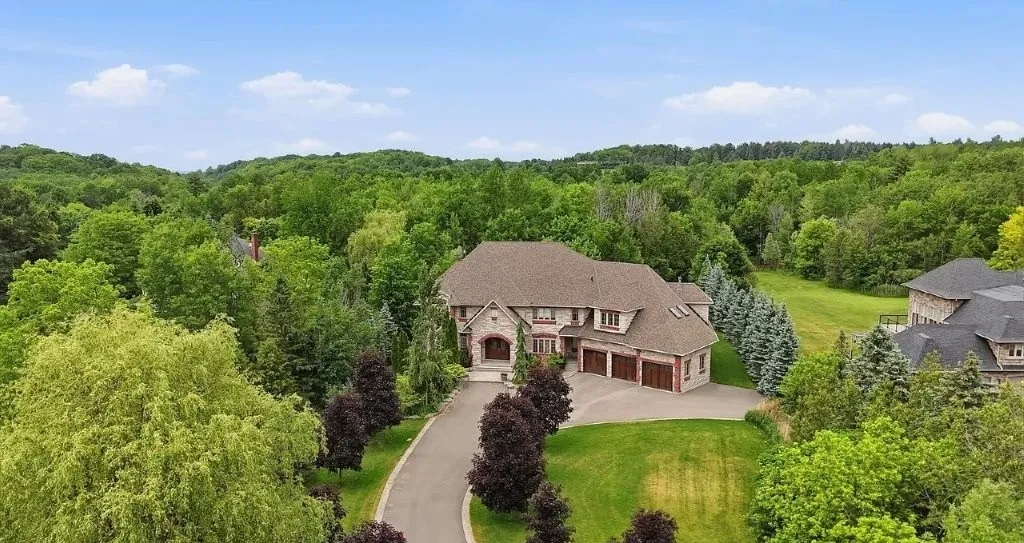
The Act makes it an offence for a non-Canadian to purchase, directly or indirectly, residential property in Canada. According to guidance from the Canada Mortgage and Housing Corporation (CMHC), it applies to homes with three or fewer dwelling units, including detached houses and condominium units.
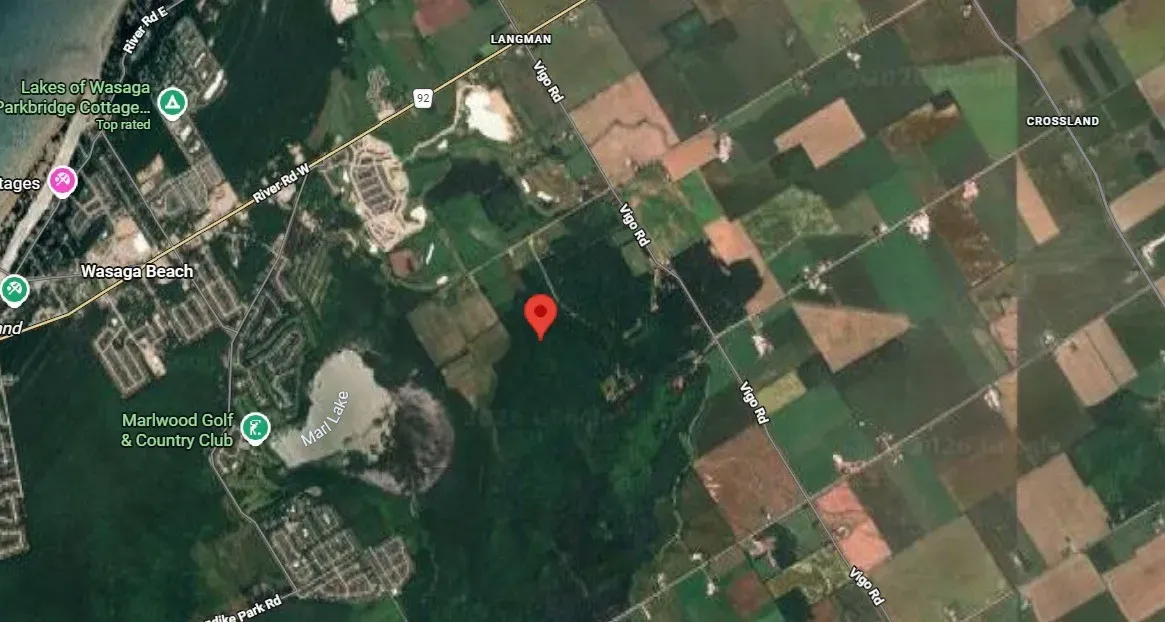
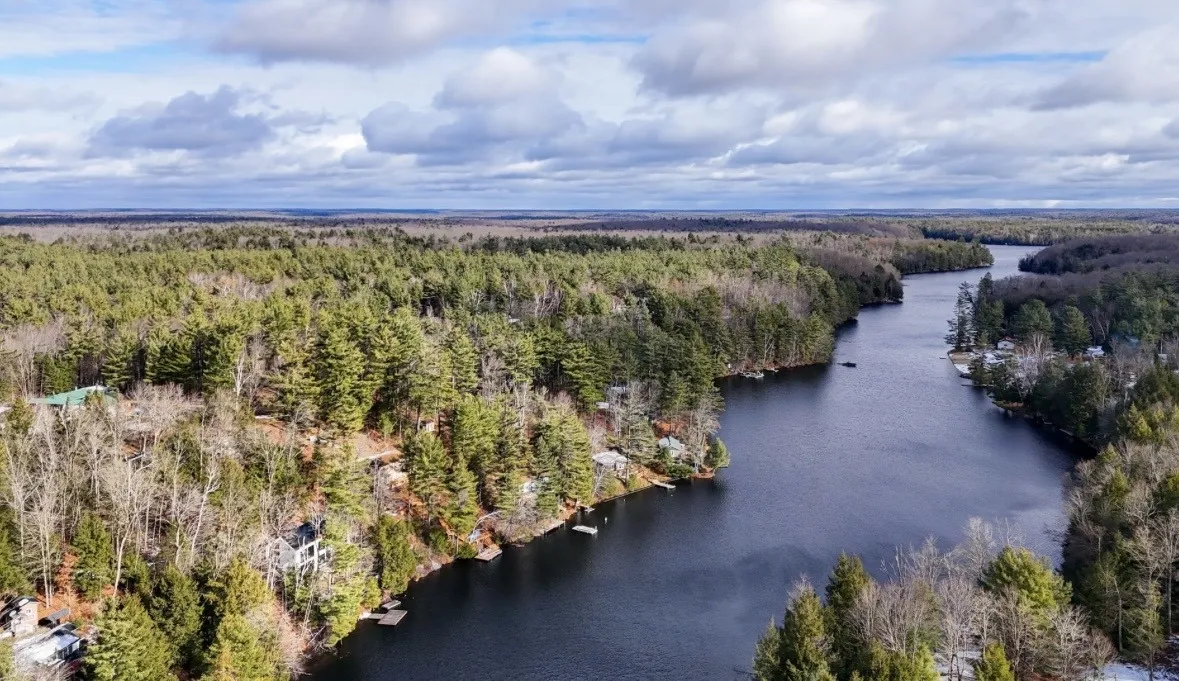
Crucially, the ban only applies to property located in a Census Metropolitan Area or Census Agglomeration. Homes outside those statistical zones, which include many rural and recreational areas, are not caught by the ban at all.
- In force since 1 January 2023
- Applies to residential property with three or fewer dwelling units
- Only applies within Census Metropolitan Areas and Census Agglomerations
- Vacant land is excluded following amendments that took effect on 27 March 2023
Extended to 1 January 2027
The ban was originally due to expire on 1 January 2025. On 4 February 2024 the Department of Finance Canada announced a two-year extension, so it now runs until 1 January 2027. The government framed the extension as part of its wider housing affordability agenda, saying homes should be used by Canadian families rather than as speculative assets.
As of August 2026 there has been no official announcement of a further extension. Whether the ban lapses at the start of 2027 or is renewed again is a political decision, so check the Department of Finance and CMHC websites before timing a purchase around the expiry date.
Who counts as a non-Canadian
The Act defines a non-Canadian as anyone who is not a Canadian citizen, a permanent resident, or a person registered under the Indian Act. It also covers foreign corporations and Canadian corporations controlled by non-Canadians.
There are exceptions written into the law itself: temporary residents who meet prescribed conditions, protected persons such as refugees, and non-Canadians buying jointly with a spouse or common-law partner who is a Canadian citizen or permanent resident.
- Work permit holders can qualify if their permit has at least 183 days of validity remaining
- International students can qualify under strict conditions, including a purchase price cap of $500,000
- Accredited members of foreign diplomatic missions are also exempt
Penalties for breaking the ban
Breaching the Act is a summary offence carrying a fine of up to $10,000, and it applies not only to the buyer but to anyone who knowingly counsels or assists the purchase, which can include agents and advisers. A court can also order the property to be sold, with the non-Canadian recovering no more than the price they originally paid.
Because professionals share the risk, Canadian lawyers and estate agents will ask for proof of citizenship, residency or exemption before completing a transaction.
Taxes still apply where you can buy
Even where a purchase is allowed, provincial taxes on foreign buyers apply on top of the federal rules. Ontario charges a 25 per cent Non-Resident Speculation Tax on homes bought by foreign nationals anywhere in the province, and British Columbia adds a 20 per cent additional property transfer tax in five regions including Metro Vancouver. Budget for these from the start.
Rules and rates can change, so confirm the current position with the Government of Ontario, the Government of British Columbia and CMHC before you commit. Habio's Canada buyer guides and area guides are a sensible place to get oriented before you speak to a lawyer.
Frequently asked questions
Can foreigners buy property in Canada in 2026?
Mostly no for homes in urban areas: the federal ban on non-Canadians buying residential property runs until 1 January 2027. But property outside Census Metropolitan Areas and Census Agglomerations is not covered, and exemptions exist for some work permit holders, students, refugees and spouses of Canadians.
When does Canada's foreign buyer ban end?
It is currently set to expire on 1 January 2027, after a two-year extension announced by the Department of Finance Canada on 4 February 2024. As of August 2026 no further extension has been announced.
What is the penalty for breaking Canada's foreign buyer ban?
A fine of up to $10,000 on summary conviction, which can also apply to anyone who knowingly helps with the purchase. A court can additionally order the property to be sold, with the buyer recovering no more than they paid.
Does the ban apply to holiday cottages in Canada?
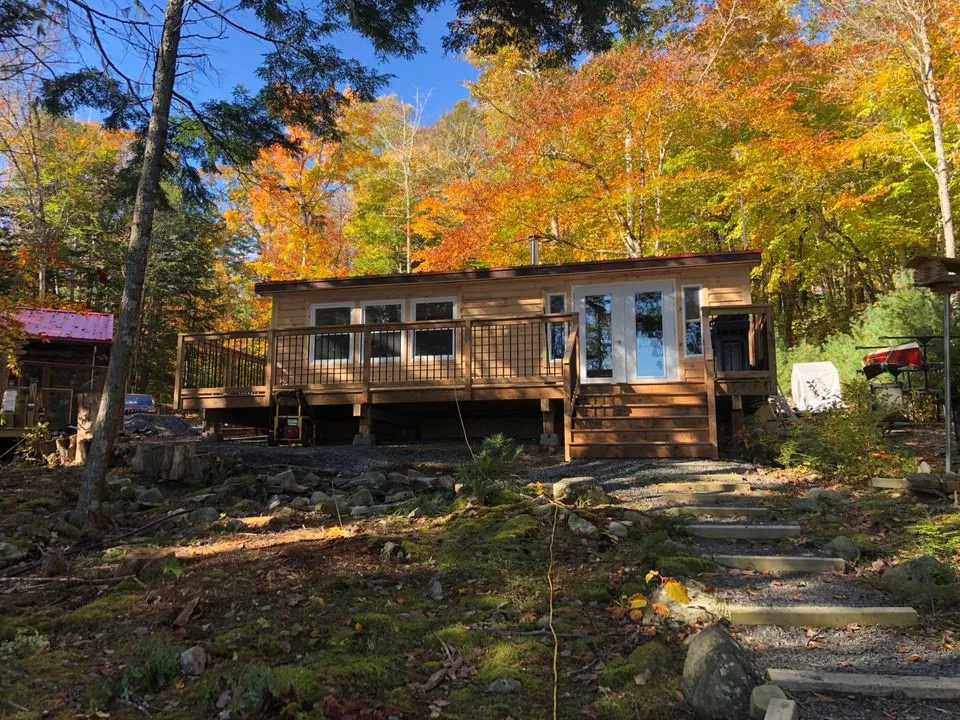
Generally not. The ban only covers residential property within Census Metropolitan Areas and Census Agglomerations, so most cottages and cabins in rural or recreational areas fall outside it. Always confirm the specific property's location against census boundaries.
Sources
- Government announces two-year extension to ban on foreign ownership of Canadian housing (Department of Finance Canada, 4 February 2024)
- Prohibition on the Purchase of Residential Property by Non-Canadians Act (CMHC)
- Prohibition on the Purchase of Residential Property by Non-Canadians Act (Justice Laws Website)
- Non-Resident Speculation Tax (Government of Ontario)
- Additional property transfer tax (Government of British Columbia)
This article is general information, not legal, tax or financial advice. Markets and rules change — verify the current position with official sources before acting. Published 2 August 2026.
Homes for sale in Canada
Live listings on Habio, updated daily.