Canada's Foreign Buyer Ban: Exemptions That Let You Buy
Canada's federal ban on non-Canadians buying homes runs until 1 January 2027, but it was never a blanket prohibition. Where the property is, what it is, and who you are all determine whether you can legally buy in 2026.
This guide walks through the main routes still open to international buyers, based on the Act and its regulations as explained by the Canada Mortgage and Housing Corporation (CMHC).

Location: the biggest exemption of all
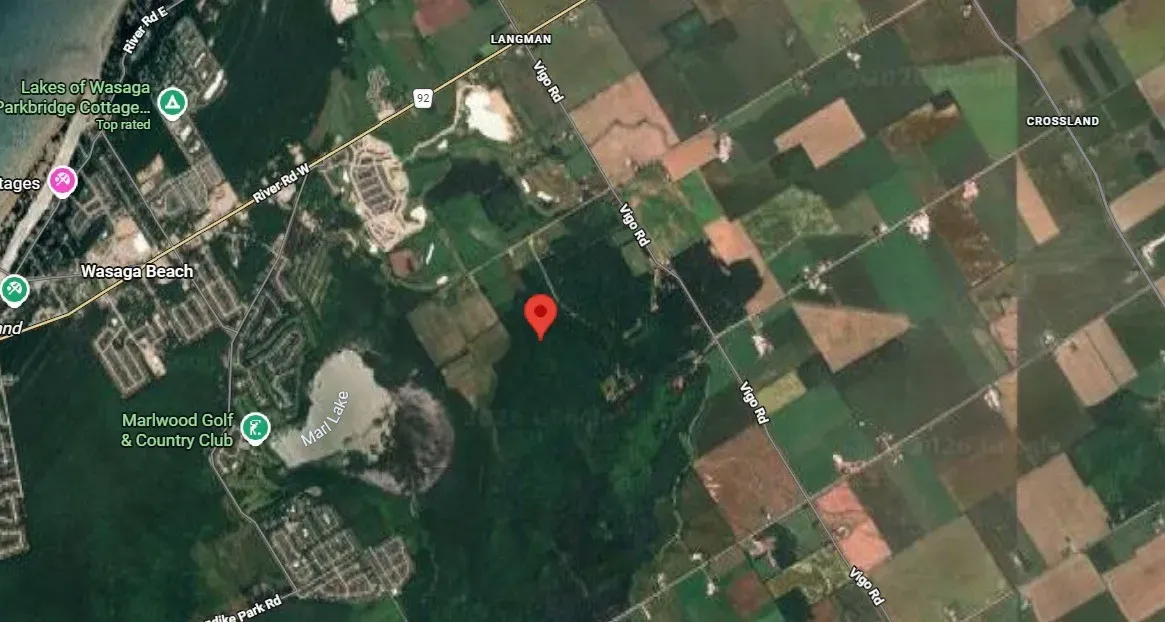
The ban only applies to residential property in a Census Metropolitan Area (CMA) or Census Agglomeration (CA), the statistical zones defined for the Canadian census. A home outside those zones is simply not caught by the Act, whoever the buyer is.
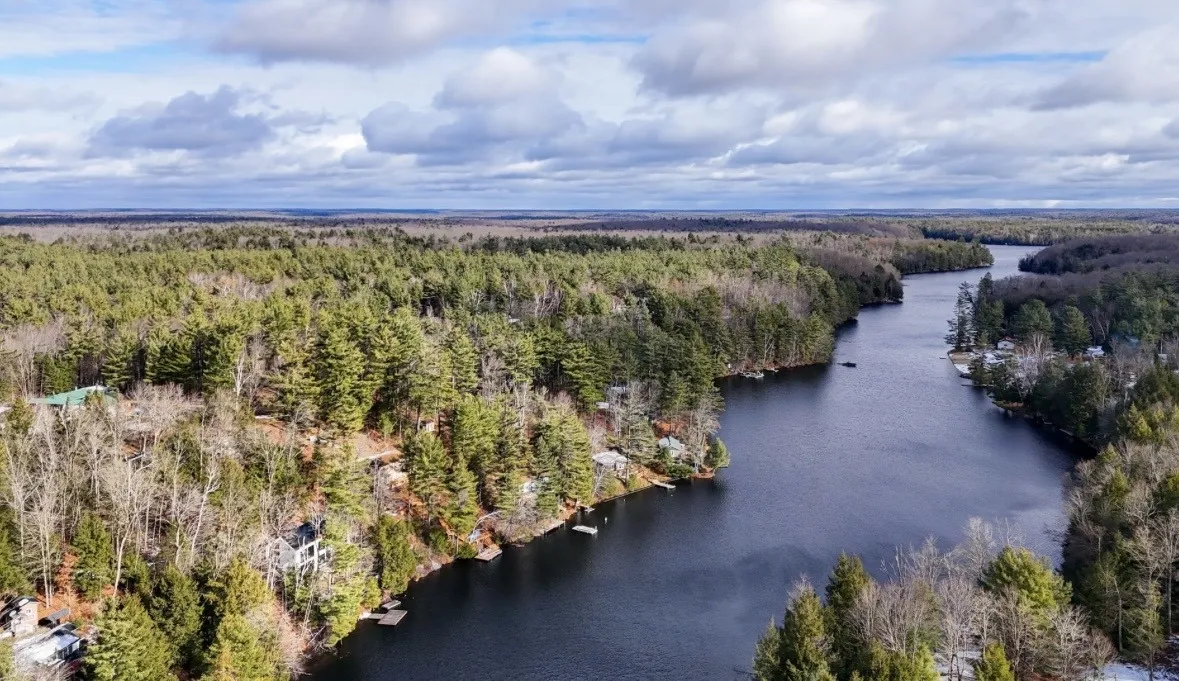
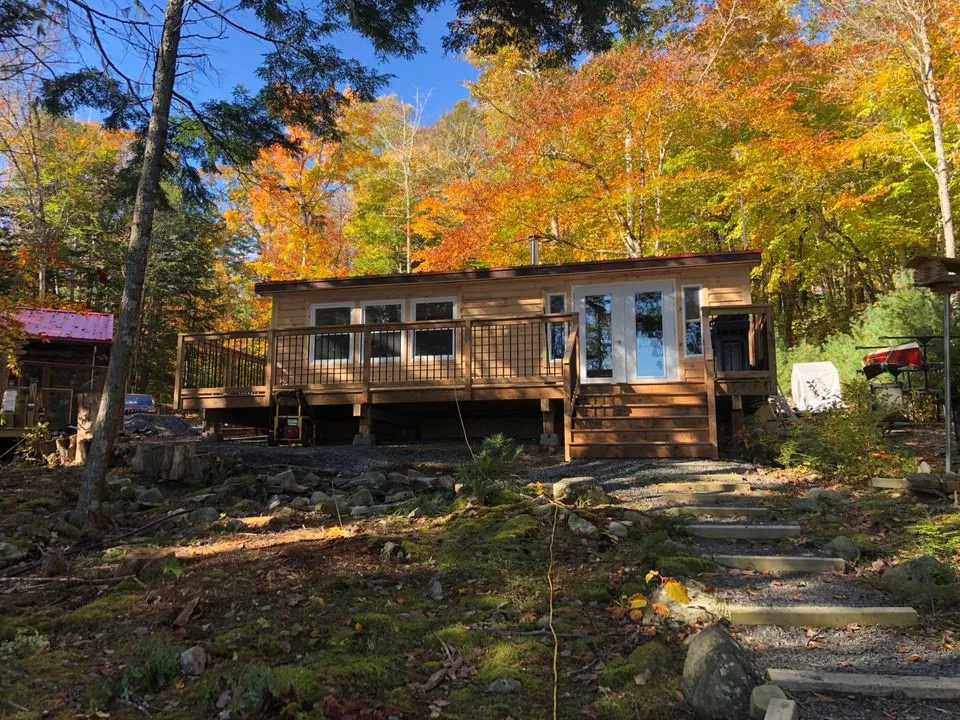
In practice this means much of rural Canada, including many cottage and cabin markets, remains open to non-Canadians. Take care with mapping, though: some lakeside and ski towns fall within a CA, so confirm the property's location against official census boundaries before assuming it is exempt.
Work permit holders
Since regulatory amendments came into force on 27 March 2023, people who hold a Canadian work permit or are otherwise authorised to work in Canada can buy a home while the ban is in force. CMHC guidance says the permit must have at least 183 days of validity remaining at the time of purchase, and the buyer must not have bought more than one residential property.
Earlier requirements around tax filings and minimum work history for permit holders were removed by those amendments, which makes this the most practical route for people relocating to Canada for work.
- Valid work permit or work authorisation required
- At least 183 days of validity remaining on the permit
- Limited to one residential property purchase
International students
Students enrolled at a designated learning institution can also qualify, but the conditions are much stricter and are aimed at people already settled in Canada.
According to CMHC, a student must have filed Canadian tax returns for each of the five taxation years before the purchase, have been physically present in Canada for at least 244 days in each of those five years, and pay no more than $500,000 for the property. As with work permit holders, only one purchase is allowed.
- Enrolled at a designated learning institution
- Five years of Canadian tax returns and at least 244 days per year of physical presence
- Purchase price capped at $500,000
- One residential property only
Other exempt buyers
The Act and regulations carve out several further groups. If you fall into one of these categories, gather documentary evidence early, because Canadian lawyers and agents will ask for proof before completing a purchase.
- Non-Canadians buying jointly with a spouse or common-law partner who is a Canadian citizen or permanent resident
- Refugees and protected persons under Canadian immigration law
- Accredited members of foreign diplomatic missions
- Vacant land, and acquisitions for development purposes, sit outside the ban following the March 2023 amendments
Exempt from the ban does not mean tax-free
Two provinces levy extra tax on foreign buyers regardless of the federal ban. Ontario charges a 25 per cent Non-Resident Speculation Tax on residential property bought anywhere in the province by foreign nationals, with a rebate available if you become a permanent resident within four years. British Columbia charges a 20 per cent additional property transfer tax in five regions, including Metro Vancouver, the Capital Regional District and the Central Okanagan, with an exemption for confirmed BC Provincial Nominee Program candidates.
Each tax has its own exemption list, so qualifying under the federal rules does not automatically carry over. Check the provincial government pages before setting a budget.
Get the paperwork right
Penalties for breaching the federal ban reach $10,000 and can extend to professionals who knowingly assist, so expect thorough status checks during conveyancing. Rules can change, and a further amendment or extension before January 2027 is possible, so verify the current position with CMHC and the Department of Finance Canada before you commit.
If you are weighing up where an exemption might realistically apply, Habio's Canada listings and buyer guides can help you compare areas inside and outside the ban's boundaries.
Frequently asked questions
Can I buy a cottage in Canada as a foreigner in 2026?
Usually yes, if it is outside a Census Metropolitan Area or Census Agglomeration, because the federal ban only applies within those zones. Confirm the property's census location before you commit, as some resort towns are inside a Census Agglomeration.
Can work permit holders buy a home in Canada during the ban?
Yes. Under amendments in force since 27 March 2023, a buyer with a work permit that has at least 183 days of validity remaining can purchase one residential property, according to CMHC guidance.
Can international students buy property in Canada?
Only under strict conditions: enrolment at a designated learning institution, Canadian tax returns for the previous five years, at least 244 days of physical presence in each of those years, a maximum price of $500,000, and no more than one purchase.
Do foreign buyers pay extra tax in Canada?
In two provinces, yes. Ontario applies a 25 per cent Non-Resident Speculation Tax province-wide, and British Columbia applies a 20 per cent additional property transfer tax in five regions including Metro Vancouver. Both have their own exemptions and rebates.
Does buying property in Canada give me residency?
No. Owning property confers no immigration status or right to live in Canada. Immigration is handled separately by Immigration, Refugees and Citizenship Canada.
Sources
This article is general information, not legal, tax or financial advice. Markets and rules change — verify the current position with official sources before acting. Published 2 August 2026.
Homes for sale in Canada
Live listings on Habio, updated daily.