Can foreigners buy property in the Philippines? The 40% rule
The short answer: foreigners can own condominium units in the Philippines, but not land. The Philippine Constitution reserves land ownership for Filipino citizens and for corporations that are at least 60% Filipino-owned, with hereditary succession the main exception. That single rule shapes almost every purchase an overseas buyer makes in the country.
The good news is that the condominium route is well established and fully legal, long-term leases have recently become more generous, and former Filipinos and dual citizens have wider options still. Here is how it all fits together, and what it costs.
Land is for Filipinos - that is the starting point
Under the Constitution, private land can only be owned by Filipino citizens or by corporations at least 60% owned by Filipinos. A foreign national cannot hold a land title in their own name, however long they have lived in the country. The main exception is hereditary succession: a foreigner can inherit land as a legal heir.
Be wary of workarounds. Holding land through a Filipino nominee - a friend or fixer who holds the title for you - is illegal under Philippine anti-dummy rules, and courts will not protect your investment if the arrangement unravels. If you marry a Filipino citizen, land can be bought in your spouse's name, but the title is theirs, not yours.
Condominiums: yes, up to the 40% foreign quota
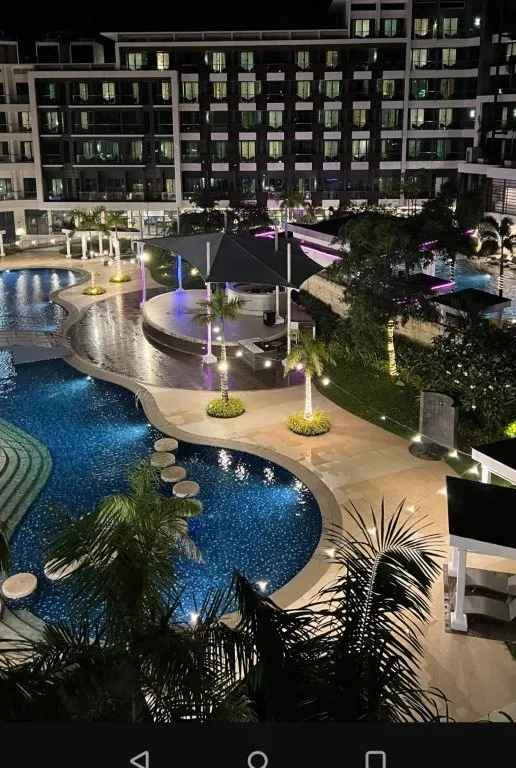
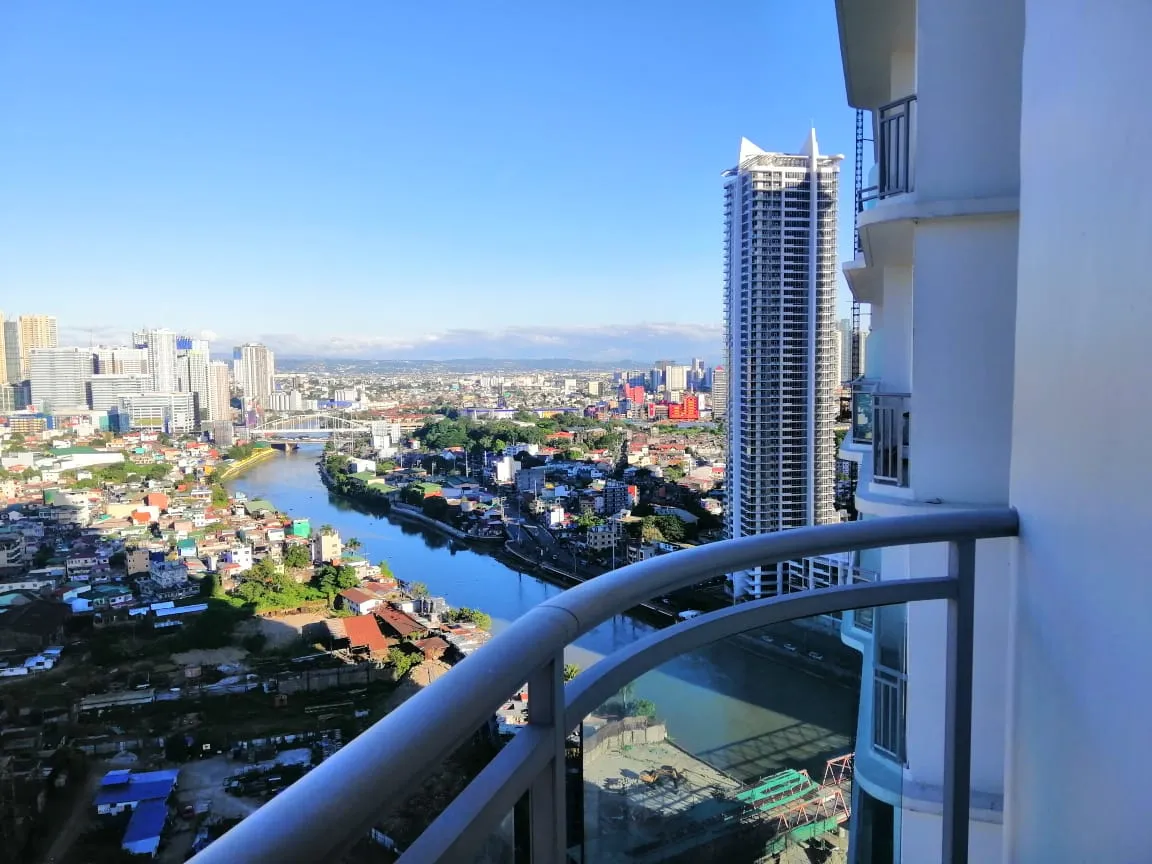
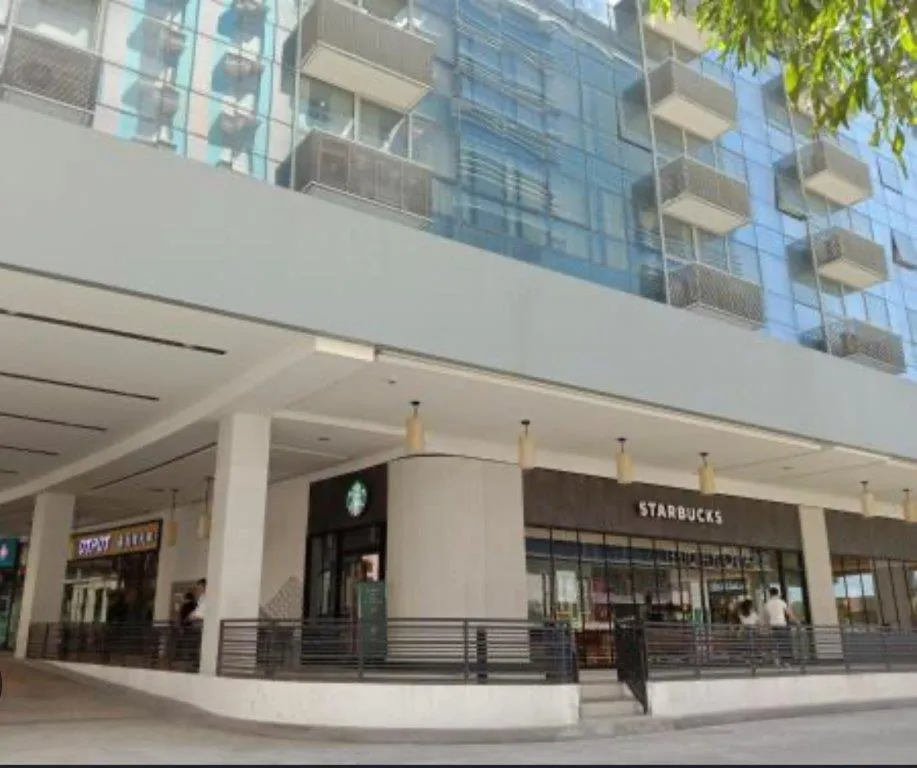
The Condominium Act (Republic Act 4726) is what opens the door. Section 5 provides that where the land is held by a condominium corporation, units may be transferred to foreigners so long as foreign interest in that corporation does not exceed the limits set by law - in practice, foreigners may hold up to 40% of a condominium project, because the corporation must remain at least 60% Filipino-owned.
Practically, this means you buy a Condominium Certificate of Title in your own name, with full rights to sell, rent out or leave the unit to heirs. The catch is the quota itself: in developments popular with international buyers, the 40% foreign allocation can sell out. Always ask the developer or seller, in writing, whether foreign quota is still available before paying a reservation fee.
- Foreigners can own condo units outright, with title in their own name
- Foreign ownership across a project is capped at 40% under RA 4726
- Check foreign-quota availability before reserving - it can run out
- The rule covers most tower and mid-rise condo projects nationwide
Houses and land: lease the land, own the building
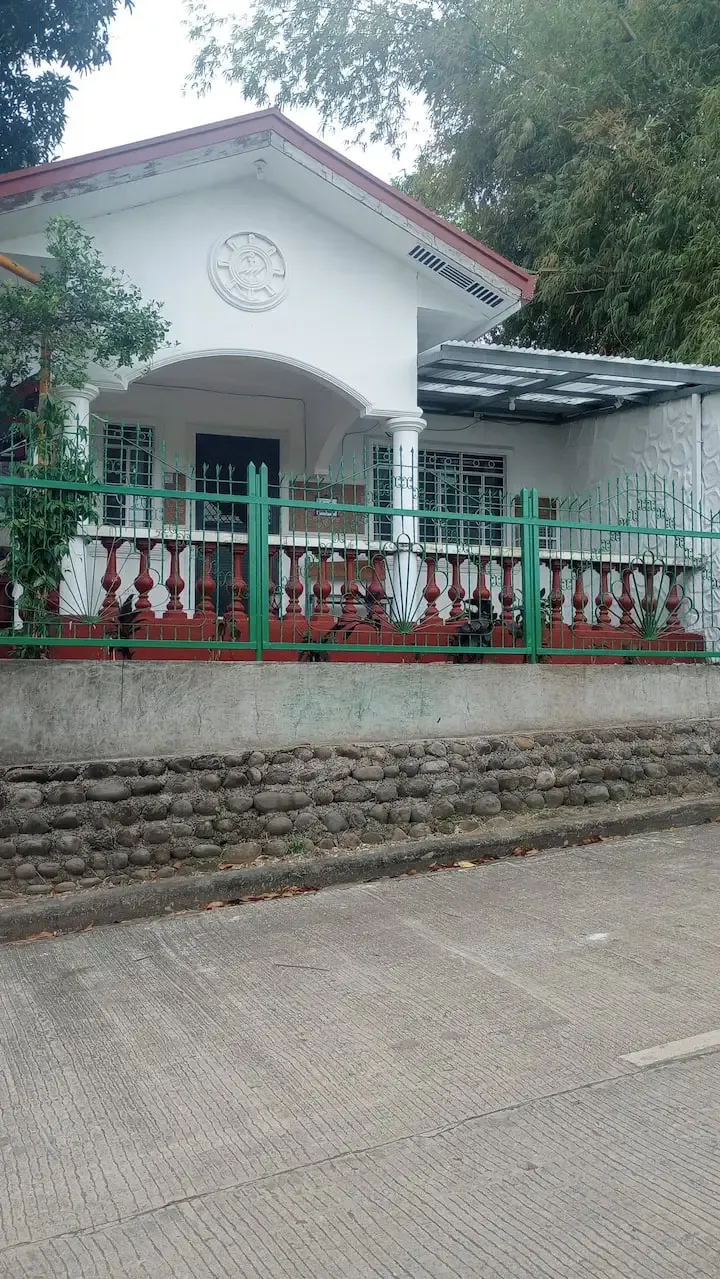
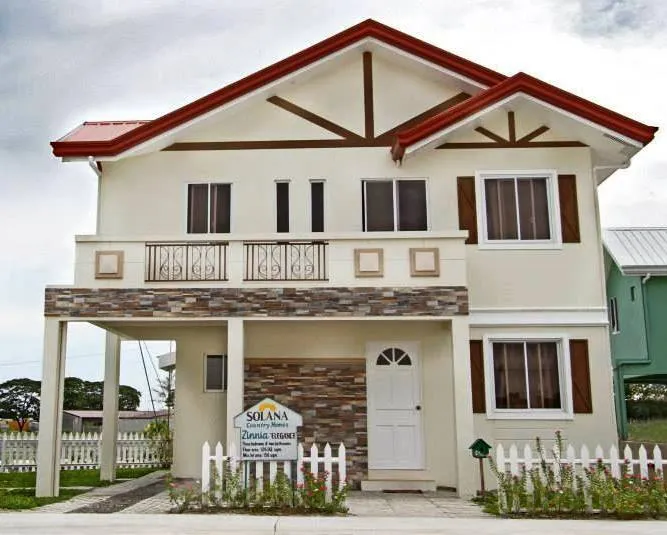
A foreigner can own a house or other building - it is only the land underneath that is restricted. The usual structure is a long-term lease of the land combined with ownership of the improvements on it. Leases should always be registered and drafted by a Philippine lawyer.
For investors, the terms recently improved. Republic Act 12252, signed on 3 September 2025 and in force from 19 September 2025, amended the Investors' Lease Act to allow qualifying foreign investors a single lease term of up to 99 years, replacing the old 50-year term with one 25-year renewal, according to the UNCTAD Investment Policy Monitor. These investor leases require registration under the Foreign Investments Act and approval by the Board of Investments or the relevant investment promotion agency, so they suit business and tourism projects rather than a simple holiday home.
- You can own the house; the land beneath it must be leased or Filipino-owned
- RA 12252 (2025) allows registered foreign investors leases of up to 99 years
- Ordinary residential leases are shorter - take Philippine legal advice on the term
Former Filipinos and dual citizens have wider rights
Natural-born former Filipino citizens can still buy land, within limits. Philippine consulate guidance sets these at 1,000 square metres of urban land or one hectare of rural land for residential use, and 5,000 square metres of urban land or three hectares of rural land for business or investment use, limited to two lots in different cities or municipalities. You cannot combine urban and rural entitlements.
Reacquiring Filipino citizenship under the dual-citizenship law (RA 9225) removes these caps entirely - a dual citizen can own land like any other Filipino. For many former Filipinos abroad, reacquisition is the cleaner route.
- Residential purchases: up to 1,000 sqm urban or 1 hectare rural land
- Business purchases: up to 5,000 sqm urban or 3 hectares rural land
- Dual citizens under RA 9225 face no land-ownership caps at all
The taxes and fees to budget for
Philippine transaction costs are moderate by international standards, but they are split between the parties by custom, not law, so spell out who pays what in your contract. Taxes are computed on the highest of the contract price, the BIR zonal value or the local assessor's fair market value.
Customarily the seller pays capital gains tax at 6% and documentary stamp tax at 1.5%, while the buyer covers the local transfer tax - up to 0.5% in provinces or 0.75% in cities and Metro Manila - plus registration fees of roughly 0.5% to 1% and modest notarial fees. Rates and local charges can change, so confirm current figures with the Bureau of Internal Revenue and the local treasurer's office before completion. Habio's Philippines buyer guides and listings can help you compare what is actually available to foreign buyers area by area.
- Capital gains tax: 6% (customarily paid by the seller)
- Documentary stamp tax: 1.5%
- Local transfer tax: up to 0.5%-0.75% depending on the location
- Registration and notarial fees: allow roughly 0.5%-1% more
Frequently asked questions
Can a foreigner buy a condominium in the Philippines?
Yes. Under the Condominium Act (RA 4726), foreigners can own condo units in their own name, provided foreign ownership across the project does not exceed 40%. Check that foreign quota is still available in the building before reserving.
Can foreigners own land in the Philippines?
No. The Constitution limits land ownership to Filipino citizens and corporations at least 60% Filipino-owned. The main exceptions are inheritance by legal heirs, and former natural-born Filipinos, who may buy limited areas of land.
What is the 40% condo rule?
A condominium project's land is usually held by a condominium corporation that must stay at least 60% Filipino-owned. Foreign buyers can therefore hold at most 40% of the units or interest in any one project.
How long can a foreigner lease land in the Philippines?
Since Republic Act 12252 took effect in September 2025, registered foreign investors can lease private land for a single term of up to 99 years, subject to Board of Investments approval. Ordinary residential leases are shorter - get Philippine legal advice on the maximum term for your situation.
What taxes do you pay when buying property in the Philippines?
Customarily the seller pays 6% capital gains tax and 1.5% documentary stamp tax, while the buyer pays local transfer tax of up to 0.5%-0.75% plus registration fees of roughly 0.5%-1%. All are computed on the highest of the price, zonal value or assessed value.
Sources
- Republic Act No. 4726 (The Condominium Act) - full text
- UNCTAD Investment Policy Monitor - Philippines extends land leases to 99 years (RA 12252)
- Philippine Consulate General Chicago - Land ownership by former Filipino citizens
- Philippine Consulate General Los Angeles - Owning real property in the Philippines
- Respicio & Co. - Real property transfer taxes and fees in the Philippines
This article is general information, not legal, tax or financial advice. Markets and rules change — verify the current position with official sources before acting. Published 2 August 2026.
Homes for sale in Philippines
Live listings on Habio, updated daily.