Can Foreigners Buy Property in Norway? Check Boplikt First
Norway is one of the more open property markets in Europe: there is no nationality test, no special permit for foreign buyers and no extra tax for non-residents. A British or any other international buyer purchasing a flat in Oslo or a house in Bergen goes through exactly the same process as a Norwegian.
The rules that do exist apply to everyone equally, and they attach to the property rather than the buyer. The two to understand are konsesjon (a concession, or acquisition permit, needed for certain properties) and boplikt (an obligation that someone actually lives in the home). Miss these and a purchase can unravel, so it pays to check before you bid.

No nationality restrictions - the same rules for everyone
Norwegian law does not distinguish between Norwegian and foreign buyers of real estate. You do not need to live in Norway, hold a visa or have any prior connection to the country to own a home there. What every buyer does need is a Norwegian identification number - residents have a national ID number, while non-residents apply for a D-number, which the Norwegian Mapping Authority (Kartverket) notes is processed by the tax administration and adds time to registering a purchase.
Bear in mind that owning property gives no right to live in Norway. Immigration status is a separate matter governed by the usual visa and residence-permit rules, which for British and other non-EEA citizens means the standard Schengen limits on short stays.
Konsesjon: when a purchase needs municipal consent
Under the Concession Act, acquiring Norwegian real estate in principle requires konsesjon - consent from the municipality where the property lies. In practice, the exemptions are so broad that ordinary home purchases almost never need it. According to the Norwegian Agriculture Agency (Landbruksdirektoratet), developed property of up to 100 dekar (10 hectares) with no more than 35 dekar of cultivated land is exempt, as are residential and holiday-home plots and flats.
For many exempt purchases the buyer simply signs a self-declaration of concession exemption (egenerklaering om konsesjonsfrihet), which the municipality confirms before the deed can be registered. Flats and small developed properties under 2 dekar typically need no documentation at all. Where konsesjon is required - chiefly farms and large landholdings - the buyer applies to the municipality, which can attach conditions.
- Most flats, houses and cabin plots: no concession needed
- Developed property up to 100 dekar with up to 35 dekar cultivated land: exempt, usually via self-declaration
- Farms and large forest or agricultural properties: full concession application to the municipality
Boplikt on farms: live there five years
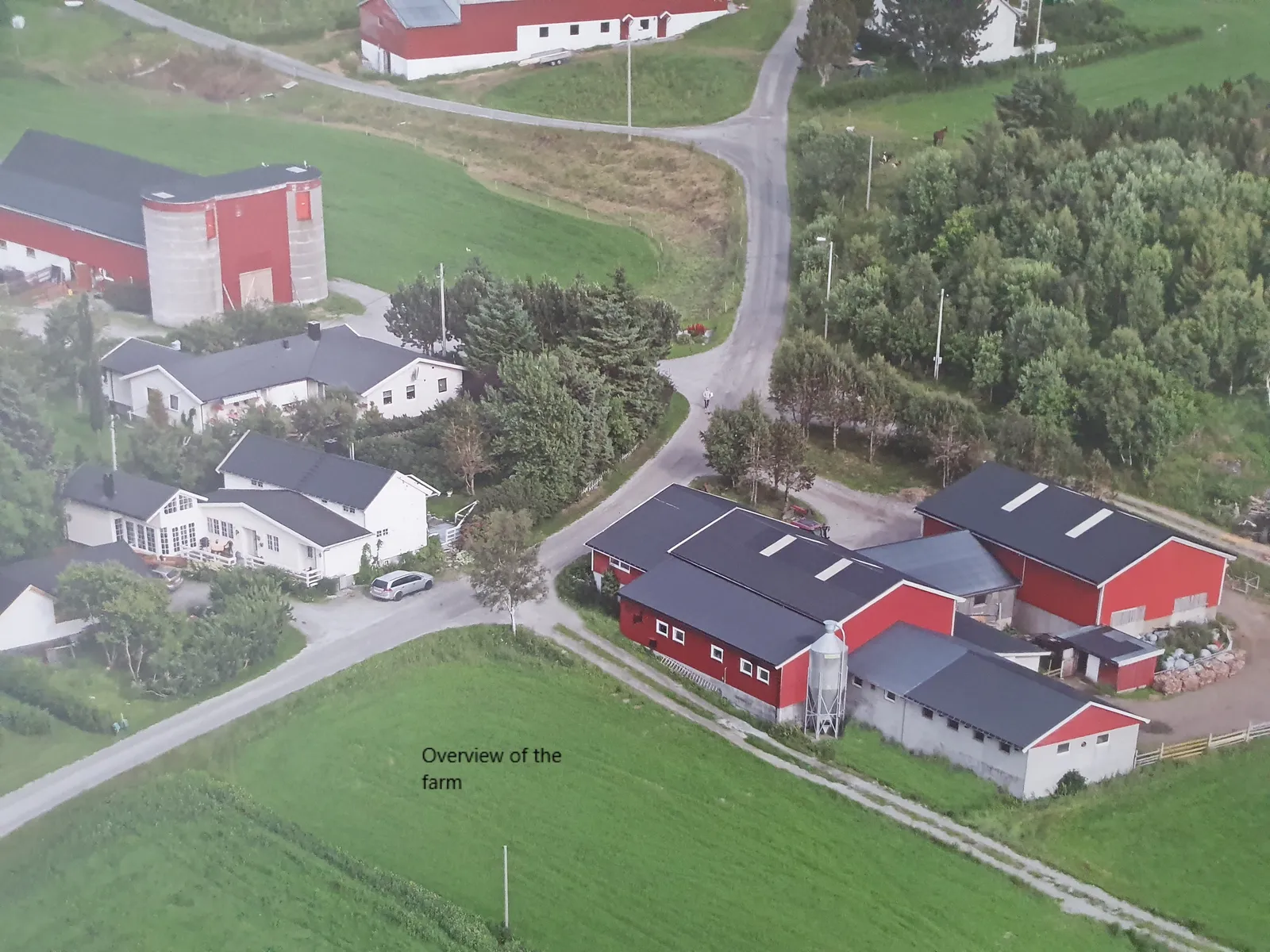
Boplikt is a legal duty for someone to be resident on a property. It arises most often on agricultural holdings. Landbruksdirektoratet explains that when a farm with more than 35 dekar of cultivated land or more than 500 dekar of productive forest is taken over concession-free within the family, the new owner must move in within one year and live there for at least five years.
Boplikt can be personal (the owner must live there, verified through the population register) or impersonal (it is enough that someone is registered as living at the property). Ignoring a residence obligation is serious: the municipality can ultimately force a sale of the property.
Nedsatt konsesjonsgrense: the coastal-town catch
A number of municipalities - often attractive coastal ones - have adopted a nedsatt konsesjonsgrense (reduced concession threshold), sometimes called a zero concession limit. In these areas the usual exemption for ordinary homes is switched off so that year-round houses cannot quietly become holiday homes.
If you buy a normal dwelling in such a municipality, you or a tenant will generally have to be registered as living in it. For anyone dreaming of a seaside house used a few weeks a year, this matters far more than nationality ever will. The list of municipalities changes, so confirm the status with the local municipality (kommune) before bidding.
- Boplikt in these areas applies to ordinary homes, not just farms
- Renting the home out year-round usually satisfies an impersonal residence duty
- Rules vary by municipality and can change - always check locally
Practical steps for foreign buyers
The mechanics of buying are straightforward: once your bid is accepted, the estate agent handles settlement, and ownership is registered with Kartverket, triggering a 2.5% document duty on freehold transfers plus a small registration fee. Before that, apply early for a D-number, arrange financing (Norwegian banks will ask more of non-resident borrowers) and read the concession paperwork in the sales material.
Habio has Norwegian listings alongside area guides and buyer guides if you want to compare regions before committing to a purchase.
Frequently asked questions
Can a foreigner buy a house in Norway?
Yes. Norway places no nationality or residency restrictions on buying property. Foreign buyers follow the same process as Norwegians, though non-residents need a D-number (a Norwegian ID number) to register ownership.
What is boplikt in Norway?
Boplikt is a legal residence obligation attached to some properties. On farm properties taken over within the family it means moving in within one year and living there five years; in municipalities with a reduced concession threshold it means ordinary homes must be lived in year-round, by the owner or a tenant.
Do I need permission (konsesjon) to buy property in Norway?
Usually not. Flats, ordinary houses and holiday plots are exempt, typically via a simple self-declaration. Full concession from the municipality is mainly required for farms and properties over 100 dekar or with more than 35 dekar of cultivated land.
Does buying property in Norway give me residency?
No. Property ownership carries no immigration rights. Non-EEA citizens, including Britons, remain subject to normal visa and residence-permit rules and Schengen short-stay limits.
Can I buy a coastal house in Norway and use it as a holiday home?
Not everywhere. Municipalities with a nedsatt konsesjonsgrense (reduced concession threshold) require year-round homes to stay lived in, so they cannot simply be converted to holiday use. Check the rules with the local municipality before bidding.
Sources
This article is general information, not legal, tax or financial advice. Markets and rules change — verify the current position with official sources before acting. Published 2 August 2026.
Homes for sale in Norway
Live listings on Habio, updated daily.