Can foreigners buy property in Kenya? The 99-year rule
If you are not a Kenyan citizen, you can still buy a home in Kenya - but the Constitution puts two firm limits on what you can own. You can only hold land on a leasehold of up to 99 years, and agricultural land is effectively off the table altogether.
Both rules come straight from Kenyan law rather than administrative practice, so they apply however the deal is structured. Here is what they mean in practice for an international buyer in 2026.

What the Constitution actually says
Article 65(1) of the Constitution of Kenya 2010 is unambiguous: a person who is not a citizen may hold land on the basis of leasehold tenure only, and no such lease may exceed 99 years.
Article 65(2) closes the obvious loophole. If any document purports to give a non-citizen a freehold or a lease longer than 99 years, the law simply treats it as conferring a 99-year leasehold and no more. On the same basis, freeholds held by non-citizens before 2010 were converted to 99-year leases when the Constitution took effect.
Within those limits, property rights are protected. Article 40 guarantees the right to acquire and own property, and it covers non-citizens holding compliant leasehold interests.
How the 99-year leasehold works
A 99-year lease is a registrable, mortgageable and sellable interest - in day-to-day terms it behaves much like ownership, and most buyers will never see the end of the term.
When a lease runs down, the holder can apply for renewal or an extension. Terms and fees are set by government and can change, so check current practice with the Ministry of Lands or a Kenyan advocate before relying on it.
- Maximum term for non-citizens: 99 years (Constitution, Article 65(1))
- Anything granting more is read down to a 99-year lease (Article 65(2))
- Leases are registered, can be mortgaged and can be resold
- Annual land rent and county rates apply to leasehold property
Agricultural land is effectively off-limits
The Land Control Act adds a second, older restriction. Any sale, transfer or lease of agricultural land in a land control area is a controlled transaction, and under section 6 it is void unless the local Land Control Board consents.
Section 9(1)(c) then directs boards to refuse consent where the buyer is not a citizen of Kenya, or is a private company or co-operative society whose members are not all citizens. In other words, a foreigner cannot normally obtain the consent that makes the purchase valid.
There is a narrow safety valve: under section 24 the President can exempt a specific transaction or person from the Act by notice in the Kenya Gazette. Exemptions are discretionary and rare, so treat farmland, ranches and large rural plots as unavailable unless your advocate confirms otherwise.
Companies and trusts do not get around the rules
A common question is whether buying through a Kenyan company solves the problem. It does not. Article 65(3) treats a company as a citizen only if it is wholly owned by citizens, and trust property counts as citizen-held only if every beneficial interest belongs to citizens.
A single foreign shareholder is enough to make a company a non-citizen for land purposes, capping it at 99-year leaseholds and blocking Land Control Board consent for agricultural land. Structures designed to disguise foreign ownership risk leaving you with a void transaction.
What foreign buyers actually purchase
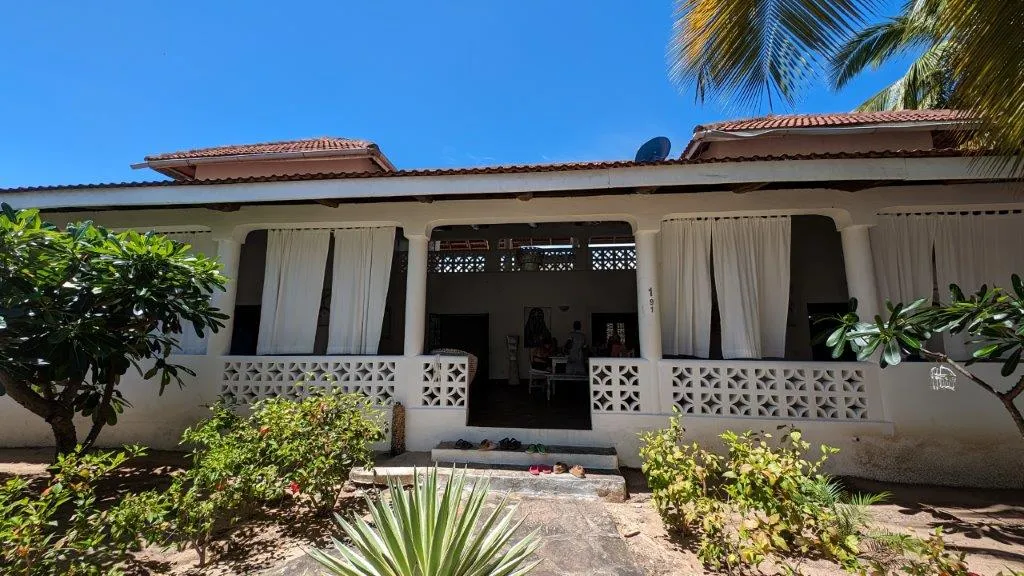
In practice the rules leave plenty open. Apartments in Nairobi and Mombasa, houses on residential plots, and villas and cottages on the coast are all routinely bought by non-citizens on leasehold titles.
Budget for stamp duty on top of the price: 4% of value for property within urban areas and 2% elsewhere, according to PwC's Kenya tax summary. Habio's Kenya listings and buyer guides can help you see what is on the market within these rules.
Rules and rates change - the Finance Act 2026 already adjusted some property-related reliefs - so confirm the current position with the Kenya Revenue Authority and a licensed conveyancing advocate before committing.
Frequently asked questions
Can a foreigner own freehold land in Kenya?
No. Under Article 65 of the 2010 Constitution, non-citizens may hold land only on leasehold tenure of up to 99 years. Any document purporting to grant a freehold to a non-citizen is treated in law as a 99-year lease.
Can foreigners buy agricultural land in Kenya?
Not in the normal course. Sales of agricultural land need Land Control Board consent, and the Land Control Act requires boards to refuse consent to non-citizens. Only a rare presidential exemption published in the Kenya Gazette can lift the bar.
Can I buy Kenyan farmland through a local company?
Only if the company is wholly owned by Kenyan citizens. With even one foreign shareholder the company is treated as a non-citizen, so it faces the same 99-year leasehold cap and the agricultural land bar.
What happens when a 99-year lease in Kenya expires?
The leaseholder can apply for renewal or an extension of the term. Conditions and fees are set by government and can change, so check current practice with the Ministry of Lands or a Kenyan advocate.
Do foreigners pay extra tax when buying property in Kenya?
There is no foreigner surcharge. Buyers pay the same stamp duty as citizens - 4% of value in urban areas and 2% in rural areas, per PwC - plus legal and registration fees.
Sources
This article is general information, not legal, tax or financial advice. Markets and rules change — verify the current position with official sources before acting. Published 2 August 2026.
Homes for sale in Kenya
Live listings on Habio, updated daily.