Buying Property in Sri Lanka: Process, Costs and Taxes
Buying in Sri Lanka is more straightforward than its reputation suggests, but the order of operations matters: confirm what you can legally buy as a foreigner, have a lawyer trace the title, then complete before a notary and register the deed. Purchase costs are modest by international standards - stamp duty tops out at 4%.
This guide walks through the process, the taxes and fees, and the economic backdrop in 2026.
First, confirm what you can buy
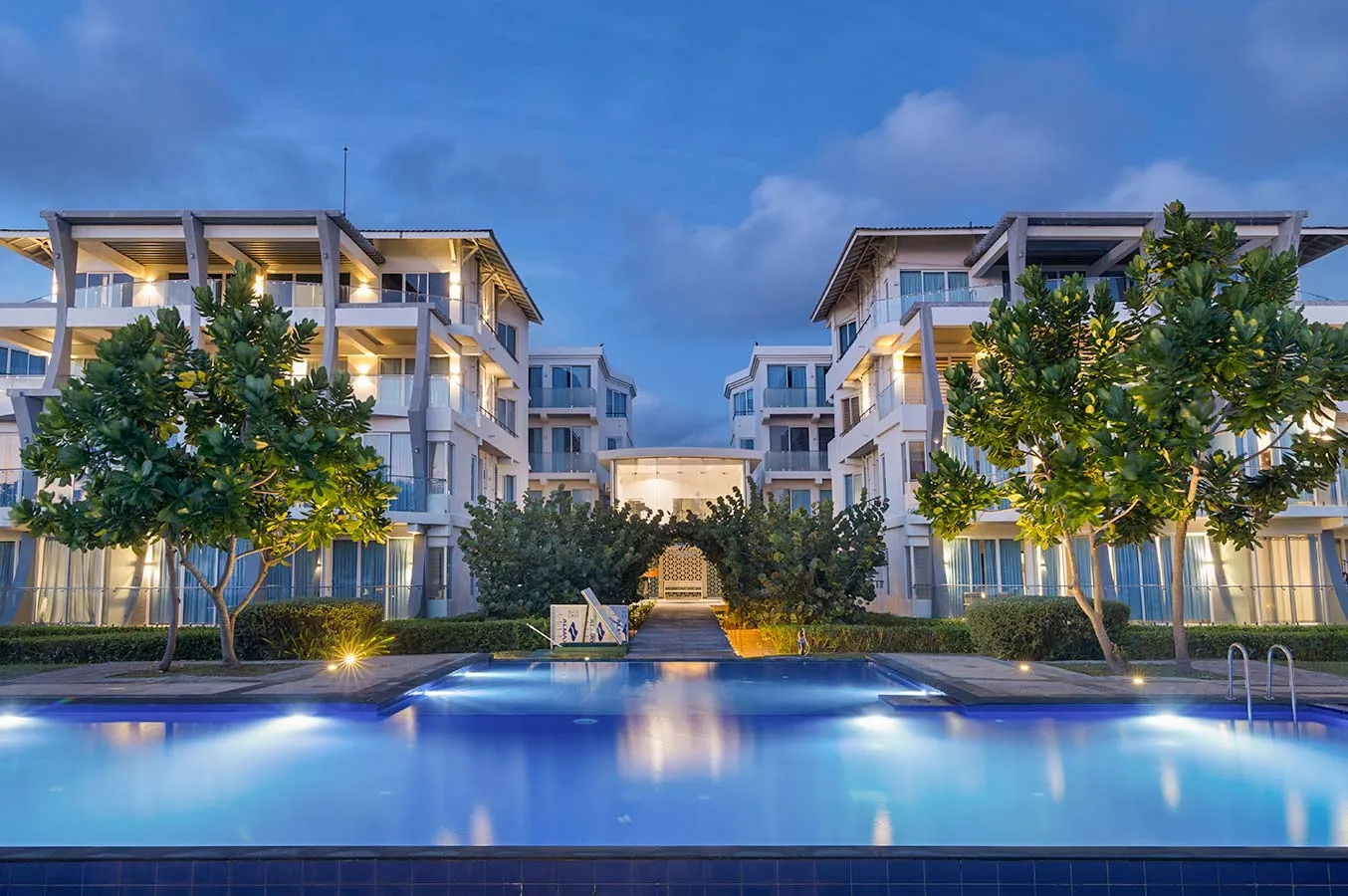
Foreign nationals cannot buy land freehold under the Land (Restrictions on Alienation) Act of 2014. In practice that leaves two main routes: buying a condominium unit outright (allowed on any floor since a 2018 amendment, with the full price paid by inward foreign remittance) or taking a registrable lease of up to 99 years on land or a house. Sri Lankan dual citizens are exempt and can buy freehold.
Step by step: from offer to registered deed
Most of Sri Lanka runs on a deed registration system under the Registration of Documents Ordinance of 1927. Ownership rests on the chain of notarially executed deeds, and registering a deed does not by itself cure defects in title - which is why your lawyer's title investigation is the most important part of the purchase, as law firm D. L. & F. de Saram notes. In areas gazetted under the Bim Saviya programme (Registration of Title Act No. 21 of 1998), a government-backed certificate of title is issued instead, giving stronger certainty of ownership.
Every transfer or long lease must be executed before a licensed notary public and then registered at the relevant land registry.
- Instruct an independent lawyer and have the chain of deeds investigated before paying anything beyond a refundable holding sum
- Agree terms and, commonly, sign a sales agreement while checks and financing complete
- For condominium purchases, remit the full price from abroad - ideally via an Inward Investment Account - before the deed is executed
- Execute the deed of transfer or lease before a licensed notary public
- Pay stamp duty and register the deed at the land registry
What it costs
The headline tax is stamp duty, payable by the buyer on a transfer. According to the legal guide Lexelon's 2025 summary of the stamp duty rules, the main rates are set out below. Rates and thresholds can change, so confirm current figures with the Inland Revenue Department before you budget.
- Transfers: 3% on the first Rs 100,000 of the value and 4% on the balance - so effectively about 4% on most purchases
- Leases: 2% of the total rent payable over the lease term
- Mortgages: 0.1% of the amount secured
- Legal and notarial fees: not fixed - agree them with your lawyer upfront
Paying for it, and getting money out later
For condominium purchases by foreigners, the entire price must arrive in Sri Lanka as an inward foreign remittance before the deed is signed. Licensed banks offer Inward Investment Accounts for exactly this: funds come in through the account, and documented sale proceeds can later be repatriated through it.
Keep complete records of every remittance. Exchange-control practice is administered by the Central Bank of Sri Lanka, so check current requirements with your bank before transferring.
The economic backdrop in 2026
Sri Lanka defaulted on its external debt during the 2022 balance-of-payments crisis, and any buyer should understand the recovery since. The country is partway through a US$2.9 billion IMF Extended Fund Facility; the IMF's Executive Board completed the combined fifth and sixth reviews in May 2026, releasing about US$695 million. The economy grew 4.8% in the first half of 2025 and inflation had fallen to around 2% by late 2025, according to analysis by the ODI think tank, though the IMF projects more modest growth for 2026 than the government's own targets, and recovery from a damaging cyclone in late 2025 is still under way.
The practical takeaway: conditions are far more stable than in 2022, but currency movements, tax changes under the reform programme and heavy debt repayments due from 2028 are real considerations. Budget conservatively and keep money flows documented. If you want to see what is on the market while you weigh it up, Habio has Sri Lanka listings and buyer guides to explore.
Frequently asked questions
How much is stamp duty when buying property in Sri Lanka?
3% on the first Rs 100,000 of the value and 4% on the rest, normally paid by the buyer - so close to 4% on most purchases. Leases attract 2% of the total rent over the term. Rates can change, so check with the Inland Revenue Department.
Does Sri Lanka have a land registry?
Yes. Most of the country uses deed registration under the Registration of Documents Ordinance of 1927, while areas gazetted under the Bim Saviya programme issue government-backed certificates of title under the Registration of Title Act 1998.
Do I need a lawyer and a notary to buy property in Sri Lanka?
Yes. Deeds must be executed before a licensed notary public, and an independent lawyer should investigate the chain of deeds first, because registration alone does not guarantee good title.
Is Sri Lanka's economy stable enough to buy property in 2026?
It has stabilised markedly since the 2022 crisis: the IMF programme completed its fifth and sixth reviews in May 2026, the economy grew 4.8% in the first half of 2025 and inflation was around 2% in late 2025. Risks remain - currency movements, tax reform and debt repayments from 2028 - so budget conservatively.
Can I take money out of Sri Lanka when I sell?
If your purchase funds came in through an Inward Investment Account, repatriating documented sale proceeds through the same channel is much simpler. Keep full records and check current Central Bank of Sri Lanka exchange-control rules.
Sources
This article is general information, not legal, tax or financial advice. Markets and rules change — verify the current position with official sources before acting. Published 2 August 2026.
Homes for sale in Sri Lanka
Live listings on Habio, updated daily.