Buying Property in Panama as a Foreigner: The Rules
Panama is one of the more straightforward places in the Americas to buy as a foreigner. The constitution protects private property for Panamanians and foreign nationals alike, the economy runs on the US dollar, and you do not need residency or any special permit to purchase in your own name.
There are still rules worth understanding before you commit: a ban on foreign ownership near the land borders, a public coastal strip, and a crucial distinction between fully titled land and so-called rights of possession. Here is how it all works as of August 2026.

Equal rights, with a few exceptions
Foreign buyers in Panama enjoy essentially the same ownership rights as locals. According to the Global Property Guide, the constitution guarantees that both Panamanian citizens and foreign nationals have the right to own private property, and purchases can be made in your personal name or through a Panamanian company.
The exceptions are geographic rather than hurdles you can negotiate away, so factor them in early when choosing where to look.
- Foreigners cannot own land within 10 km of Panama's international borders with Costa Rica and Colombia.
- The first 22 metres of shoreline above the high-tide line is public domain — nobody, Panamanian or foreign, can own it outright.
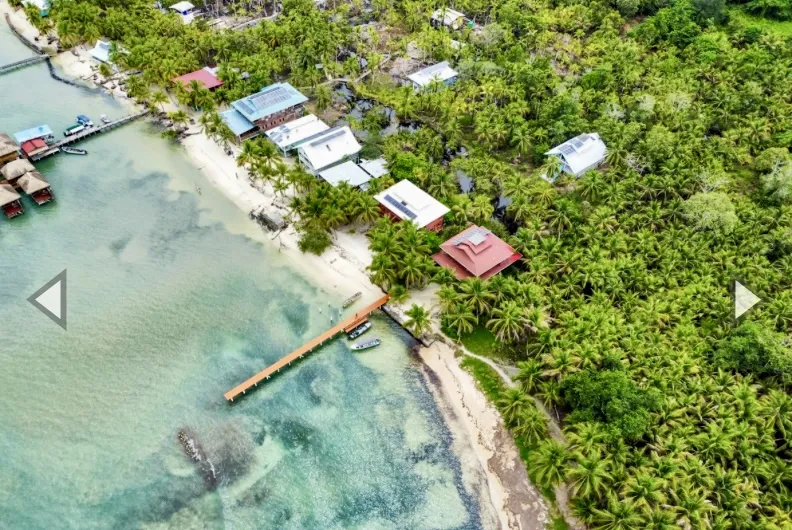
- On many islands and stretches of coast, land is held as rights of possession or state concession rather than freehold title, which calls for extra legal care.
- Panama uses the US dollar, so prices, deposits and taxes are all dollar-denominated.
Titled land versus rights of possession
Titled property is recorded at Panama's Public Registry, where a search shows the ownership history, surface area, last recorded purchase value and any encumbrances such as mortgages or usufructs, as law firm Kraemer & Kraemer explains in its 2025 guide to secure property purchases.
Rights-of-possession (derechos posesorios) land, by contrast, does not appear in the Public Registry at all; it has typically been passed between families or successive occupants by private agreement. It is common on islands and in rural coastal areas and is usually cheaper — but you are buying a claim to occupy, not registered ownership, so boundaries and competing claims can be disputed and banks will not normally lend against it.
For most overseas buyers the sensible rule is simple: prefer titled property, and only consider rights of possession with a specialist Panamanian lawyer who can verify the claim and advise whether the land can be titled.
How a purchase actually works
A typical purchase runs from due diligence through a promise of purchase and sale contract with a deposit, then a final deed signed before a notary, registration at the Public Registry and an update with the national land authority, ANATI. The Global Property Guide puts the whole process at roughly one to three months.
Real estate is treated as a regulated sector under Panama's anti-money-laundering rules, so expect thorough identity and source-of-funds checks. Hire an independent bilingual lawyer from the outset — they will run the registry searches, check for unpaid taxes and condominium fees, and hold your deposit safely. Habio's Panama listings and buyer guides can help you shortlist areas before you get to that stage.
- Verify title and encumbrances at the Public Registry.
- Sign a promise of purchase and sale contract setting the price, timeline and penalties.
- Complete the final purchase deed before a notary.
- Register the deed at the Public Registry, then update the records with ANATI.
What buying costs
Under Panamanian tax rules the seller pays the 2% real-estate transfer tax plus a 3% advance on income tax, both calculated on the higher of the sale price and the cadastral value, according to PwC's Panama tax summary (last reviewed January 2026). Buyers typically budget around 2% for legal fees plus modest notary and registration charges.
Annual property tax is progressive and capped at around 1%, with a generous exemption for a registered primary residence: the first 120,000 dollars of value is tax-free. Rules and rates can change, so confirm current figures with Panama's tax authority (DGI) before you budget.
Residency routes tied to property
Buying property does not grant residency by itself, but it helps with two popular routes. The Pensionado programme requires a verifiable lifetime pension of at least 1,000 dollars a month, plus 250 dollars per dependant, according to the Embassy of Panama in Washington; law firm Kraemer & Kraemer states the threshold falls to 700 dollars a month if you buy Panamanian property worth at least 100,000 dollars.
The Qualified Investor visa, created by Executive Decree 722 of 2020, grants permanent residency for a real-estate investment held for five years — 500,000 dollars as standard, with a reduced 300,000-dollar option that was introduced as temporary and has been extended by later decrees. Thresholds and deadlines change, so verify the current figures with the National Migration Service or an immigration lawyer before relying on them.
Frequently asked questions
Can foreigners own property outright in Panama?
Yes. Foreign nationals have the same constitutional property rights as Panamanians and can buy titled property in their own name, with two main exceptions: land within 10 km of international borders and the public 22-metre coastal strip.
Do I need to be a resident of Panama to buy a home there?
No. There is no residency requirement and no special permit for foreign buyers, and Panama places no extra purchase taxes on foreigners.
What is rights-of-possession land in Panama?
Land that is not recorded in the Public Registry and is held through occupancy rights passed on by private agreement. It is common on islands and coastlines and is riskier than titled land: boundaries can be disputed and banks will not usually mortgage it.
Does buying a property in Panama give me residency?
Not automatically. A property purchase can lower the Pensionado visa's pension requirement and, at a higher value, may qualify you for the Qualified Investor permanent-residency visa — check current thresholds with the National Migration Service.
Can I buy an island property in Panama?
Sometimes, but much island and beachfront land is held as rights of possession or government concession rather than freehold title, and the first 22 metres of shoreline is always public. Use a specialist lawyer before committing.
Sources
This article is general information, not legal, tax or financial advice. Markets and rules change — verify the current position with official sources before acting. Published 2 August 2026.
Homes for sale in Panama
Live listings on Habio, updated daily.