Brazil's North-East Coast: Natal, Fortaleza and Bahia
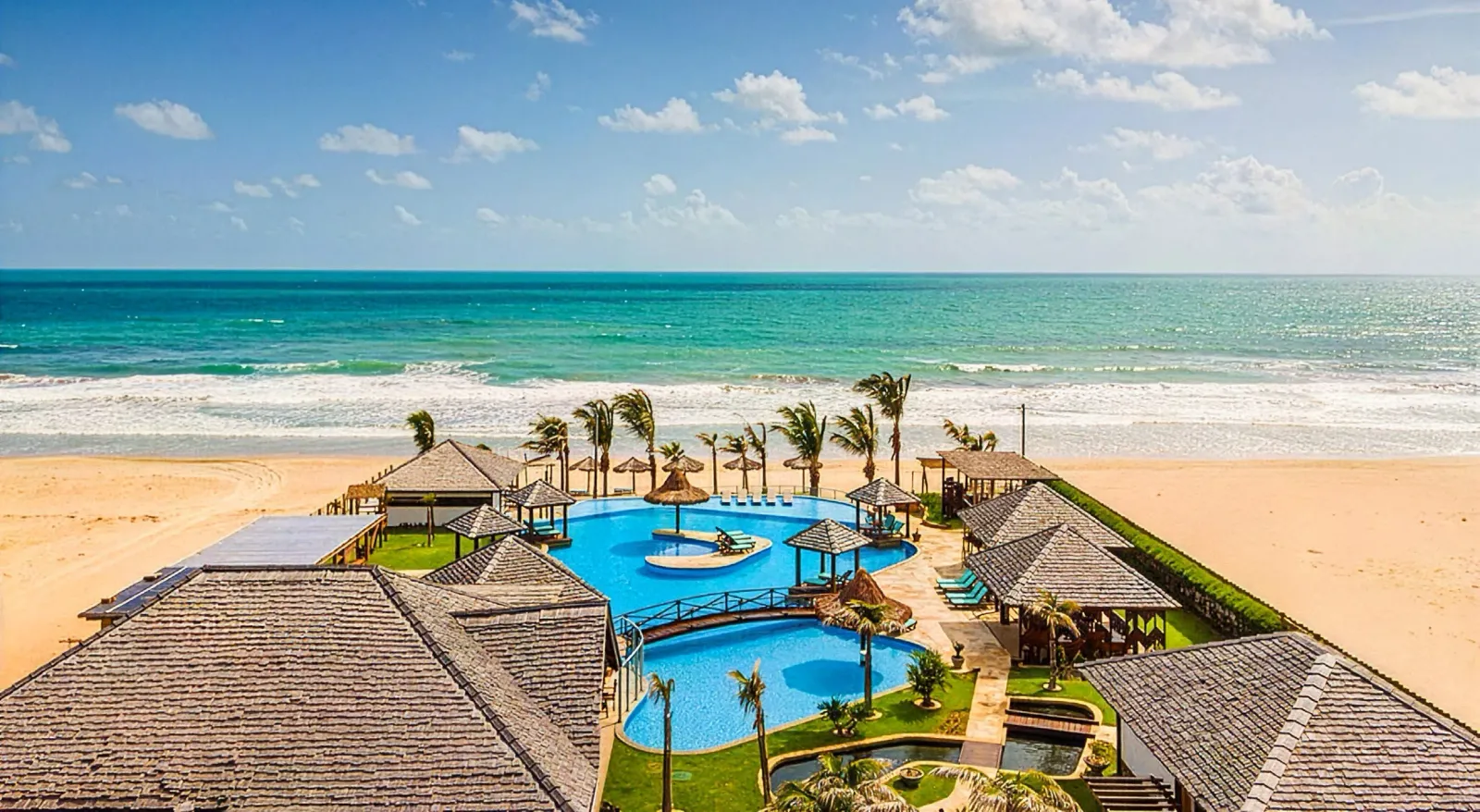
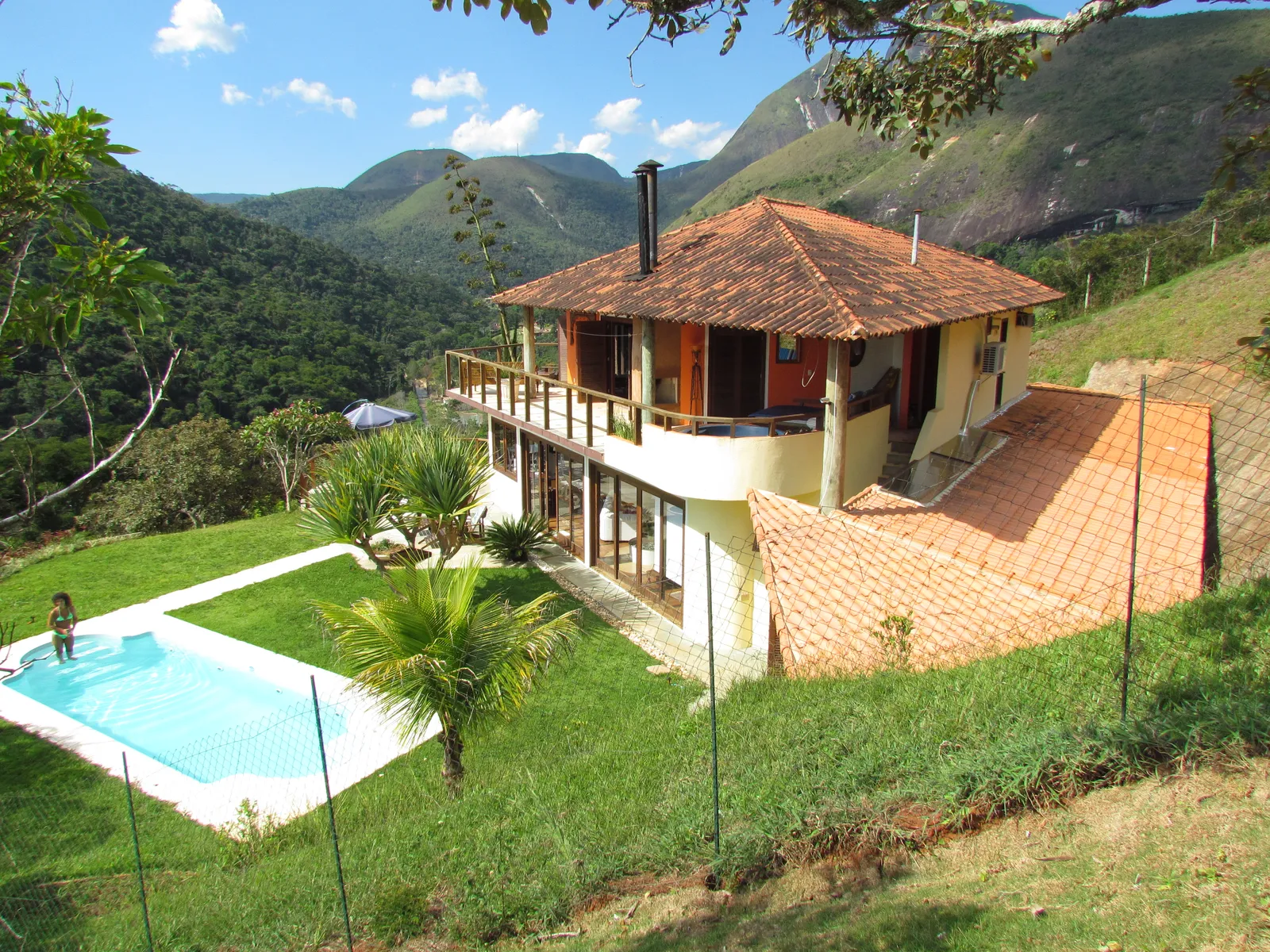
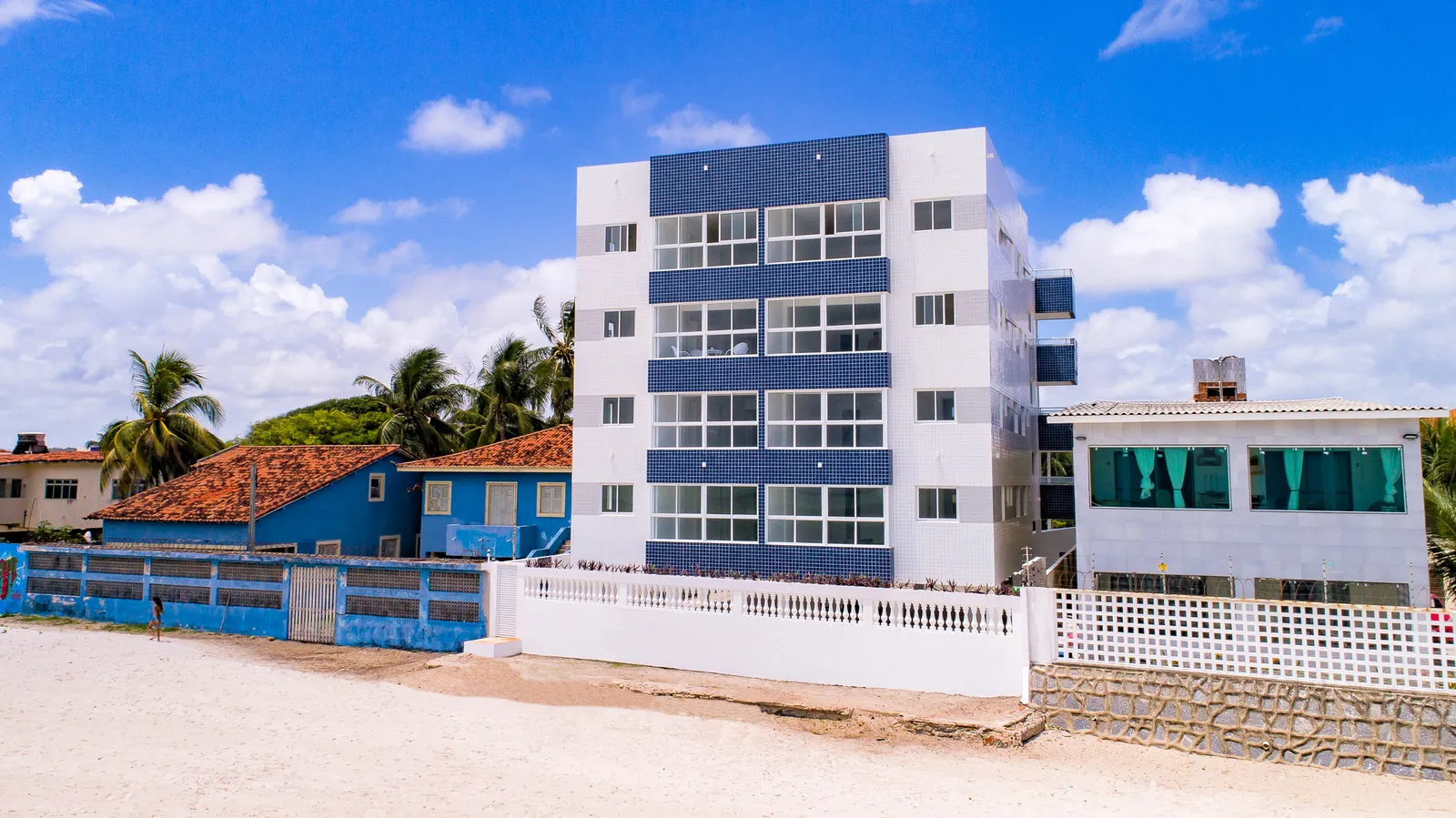
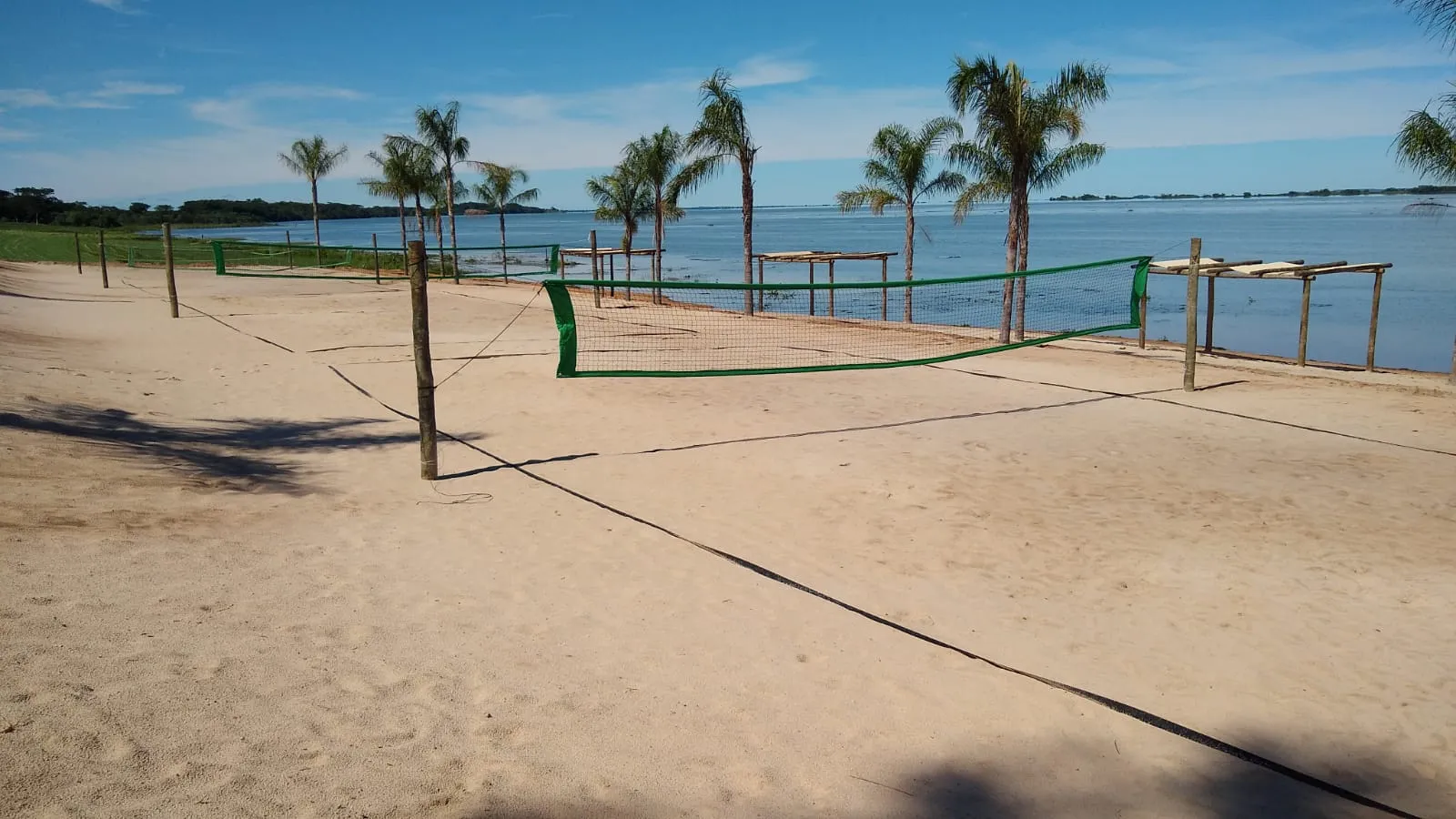
When Brazilian property is marketed abroad, it is overwhelmingly the north-east coast on offer: the beach towns around Natal, the high-rises of Fortaleza's seafront, and Bahia's long coastline south of Salvador. The attraction is simple - thousands of kilometres of warm-water coastline, year-round sun and prices far below southern Europe's beach markets.
The numbers behind the pitch are currently strong. FipeZap, the price index run by Brazil's Fipe economics institute, shows north-eastern capitals leading national price growth in the year to June 2026, while Embratur recorded an all-time high for foreign visitors in 2025. Here is an honest look at the three main markets - and at the currency risk that comes with buying in reais.

The market backdrop: the north-east is outpacing Brazil
Across the 56 cities FipeZap monitors, residential sale prices rose 5.59% in the 12 months to June 2026. The strongest capitals were mostly north-eastern: Salvador led the country at +12.42%, with Fortaleza (+10.79%), Natal (+9.44%) and Joao Pessoa (+9.42%) close behind.
Growth on that scale partly reflects a low starting point - asking prices in these cities remain well below Sao Paulo and Rio de Janeiro on a per-square-metre basis - but it does mean the days of buying north-eastern beachfront at post-2015 crisis prices are over.
- National average: +5.59% in the year to June 2026 (FipeZap)
- Salvador: +12.42% - the strongest of Brazil's monitored capitals
- Fortaleza: +10.79%; Natal: +9.44%; Joao Pessoa: +9.42%
Natal: the budget beach capital
Natal, capital of Rio Grande do Norte, is the cheapest of the three by some distance: FipeZap puts average asking prices at R$6,421 per square metre in June 2026, roughly two-thirds of Fortaleza's level. The overseas-facing market concentrates on the dunes and beaches south of the city - Ponta Negra in town, and the Pipa and Tibau do Sul stretch about 80 km down the coast.
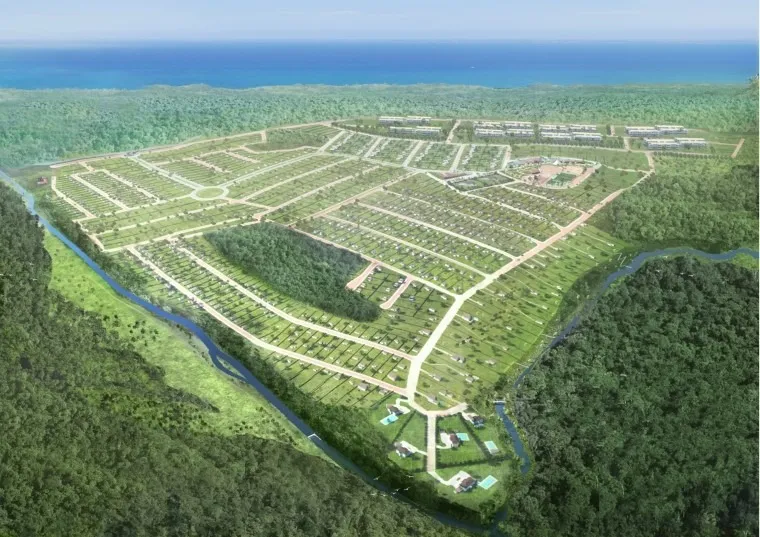
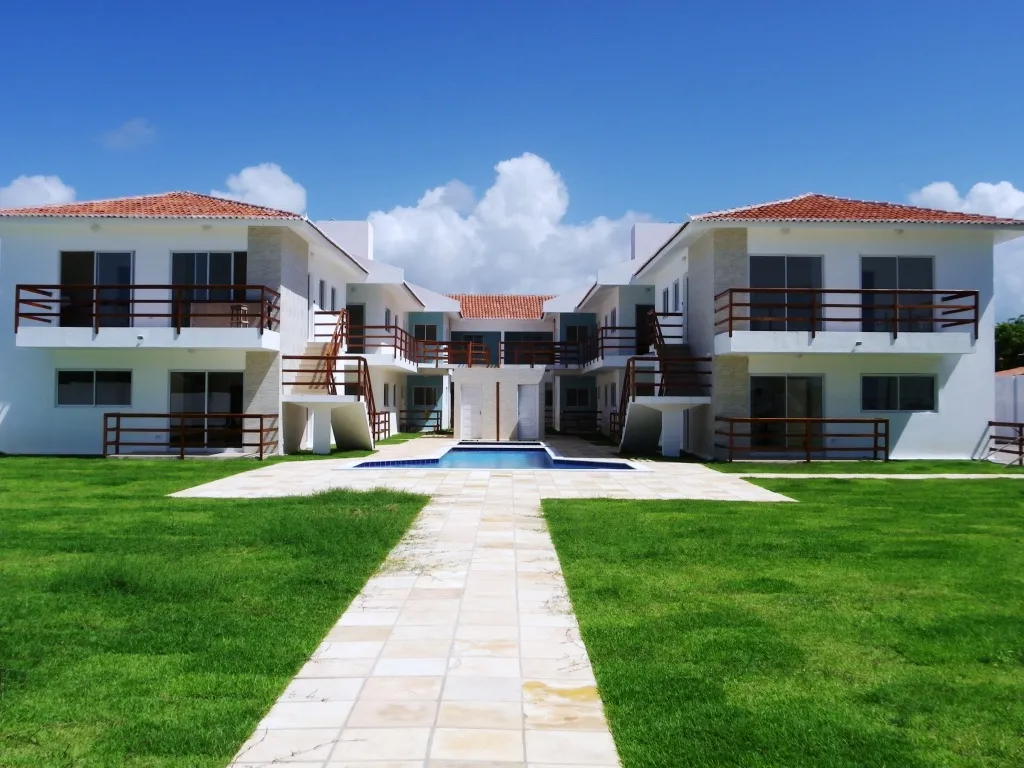
Natal has long been pitched at European buyers, and the stock reflects it: gated condominium flats and villa developments aimed squarely at holiday use and rental. That cuts both ways - resale demand depends partly on the same overseas market you are buying into.
Fortaleza: the big-city option
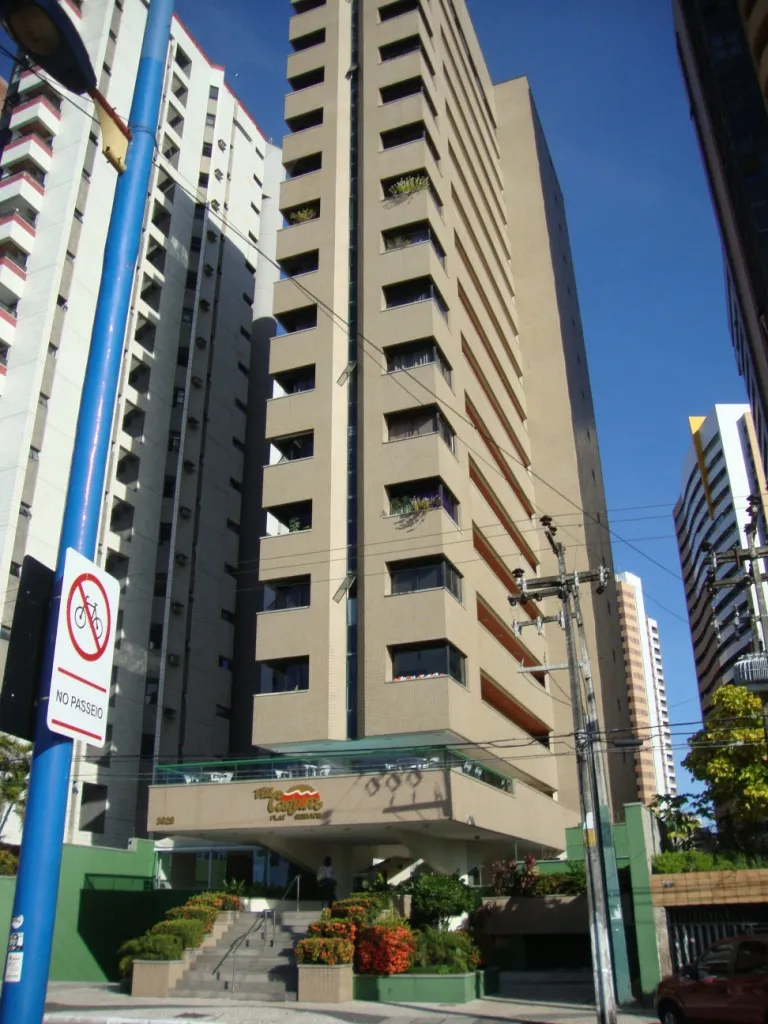
Fortaleza, capital of Ceara, is a metropolis of well over two million people, which changes the character of ownership: a proper year-round rental market, direct flights to Europe in season, and urban seafront districts such as Meireles and Praia de Iracema alongside beach-resort satellites like Cumbuco and the kitesurfing coast to the north-west.
At R$9,411 per square metre on average (FipeZap, June 2026), it is the priciest of the three cities here, though still inexpensive next to comparable seafront in southern Europe. The size of the local market also means foreign buyers are a small share of demand - useful if you ever need to sell quickly in reais.
Bahia: Salvador and the long coast south
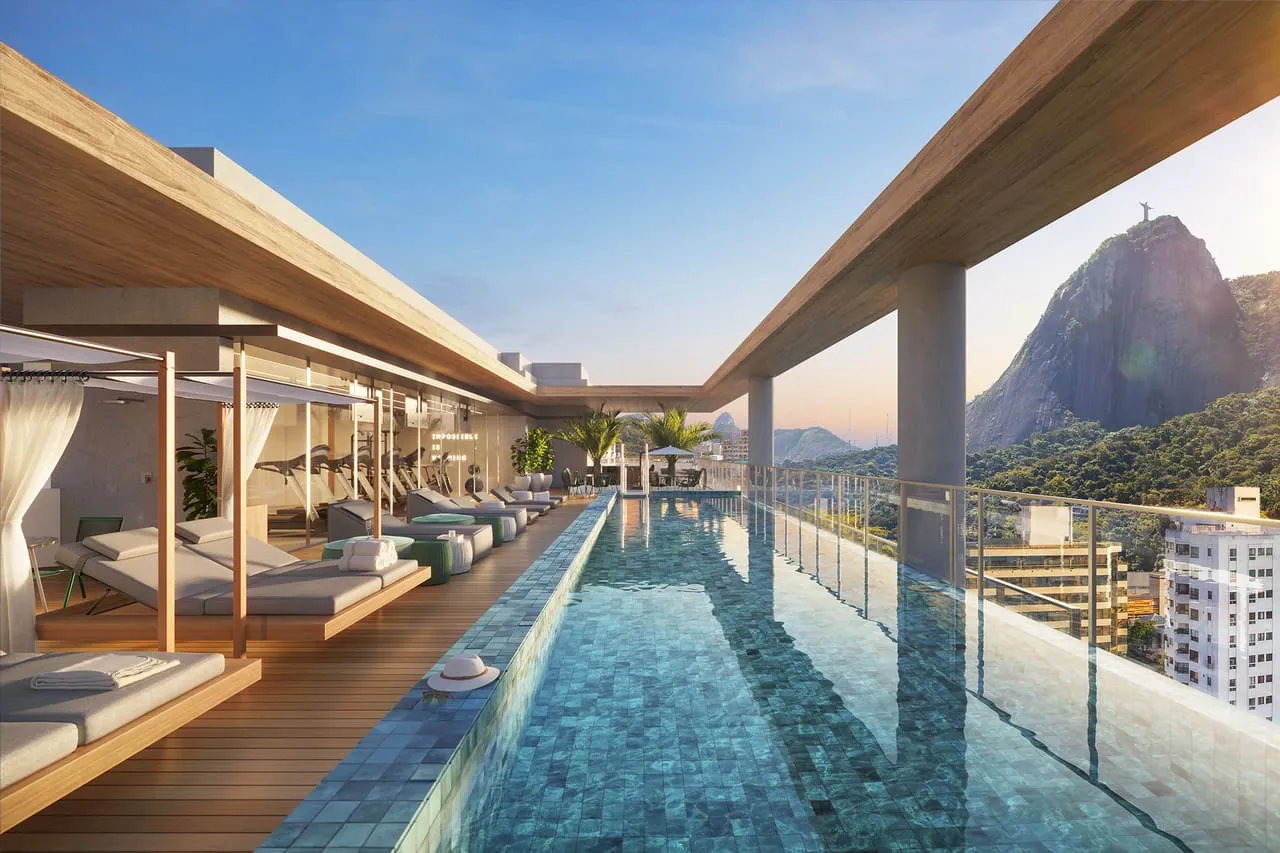
Bahia offers the widest spread, from flats in Salvador - average asking prices of R$8,570 per square metre, up 12.42% in a year, the fastest of any monitored capital - to the low-rise beach towns of the Costa do Dende and the well-established international enclaves around Trancoso and Arraial d'Ajuda in the south, where prices for turnkey villas can rival Europe.
Salvador itself is a city of contrasts: a large, liquid urban market with strong culture and food, but also real income inequality and neighbourhood-by-neighbourhood variation in security. Visit before you buy, and judge streets rather than postcodes.
Tourism and flights: the demand story
The rental case rests on visitor numbers, and these are at record levels: Embratur counted 9.29 million foreign arrivals in Brazil in 2025, up about 37% on the year before and the highest figure since records began in 1970. North-eastern airports posted double-digit growth as carriers added seasonal routes into Recife, Fortaleza and Salvador.
Worth remembering: most foreign visitors still arrive from Argentina, Chile and the United States, and domestic Brazilian tourism dwarfs all of it. A holiday let in Natal or Fortaleza will live mainly off Brazilian high season - December to Carnival - not off European winter sun traffic.
The currency question for European buyers
Buying in reais is a genuine exchange-rate bet. The real is a volatile currency, and with Brazil's Selic policy rate still at 14.25% in mid-2026 - the central bank has been cutting only gradually, from 14.50% in June - moves in Brazilian rates and politics can shift the real sharply against the euro and pound in either direction.
Practical consequences: agree prices in reais and know your own exchange rate before you commit; budget a margin for currency moves between signing the preliminary contract and completion; and remember the same volatility applies in reverse when you eventually sell and repatriate. Rates and market conditions change - check current FipeZap reports and central bank data before deciding. Habio's Brazil listings and area guides are a reasonable place to compare what your budget buys across these three coasts.
- Prices are set and paid in reais - your effective price moves with the exchange rate
- High Brazilian interest rates cut both ways: strong carry, sharp corrections
- Budget a buffer between contract and completion for currency swings
Frequently asked questions
Where is the cheapest beach property in north-east Brazil?
Of the major capitals, Natal is cheapest: FipeZap data for June 2026 shows average asking prices of R$6,421 per square metre, versus R$8,570 in Salvador and R$9,411 in Fortaleza. Smaller towns along the coast can be cheaper still.
Are property prices in north-east Brazil rising?
Yes. In the 12 months to June 2026, FipeZap recorded rises of 12.42% in Salvador, 10.79% in Fortaleza, 9.44% in Natal and 9.42% in Joao Pessoa - all ahead of the 5.59% national average.
Is north-east Brazil good for holiday rentals?
Demand is at record levels - Embratur counted 9.29 million foreign arrivals in Brazil in 2025, up about 37% year on year, with north-eastern airports growing fast. But most demand is domestic Brazilian tourism, peaking from December to Carnival, so model rental income on Brazilian seasons.
What is the currency risk of buying property in Brazil?
Property is priced and paid in reais, a volatile currency in an economy where the Selic policy rate stood at 14.25% in mid-2026. The euro or pound cost of a Brazilian home can move materially between offer and completion, and again when you sell, so budget a currency buffer.
Can foreigners buy on Brazil's north-east coast?
Yes - foreigners can buy urban and coastal property in these regions with full ownership rights and no residency requirement. You will need a CPF (Brazilian tax number), and beachfront plots should be checked for federal marine-land status.
Sources
This article is general information, not legal, tax or financial advice. Markets and rules change — verify the current position with official sources before acting. Published 2 August 2026.
Homes in the places mentioned
Homes for sale in Brazil
Live listings on Habio, updated daily.