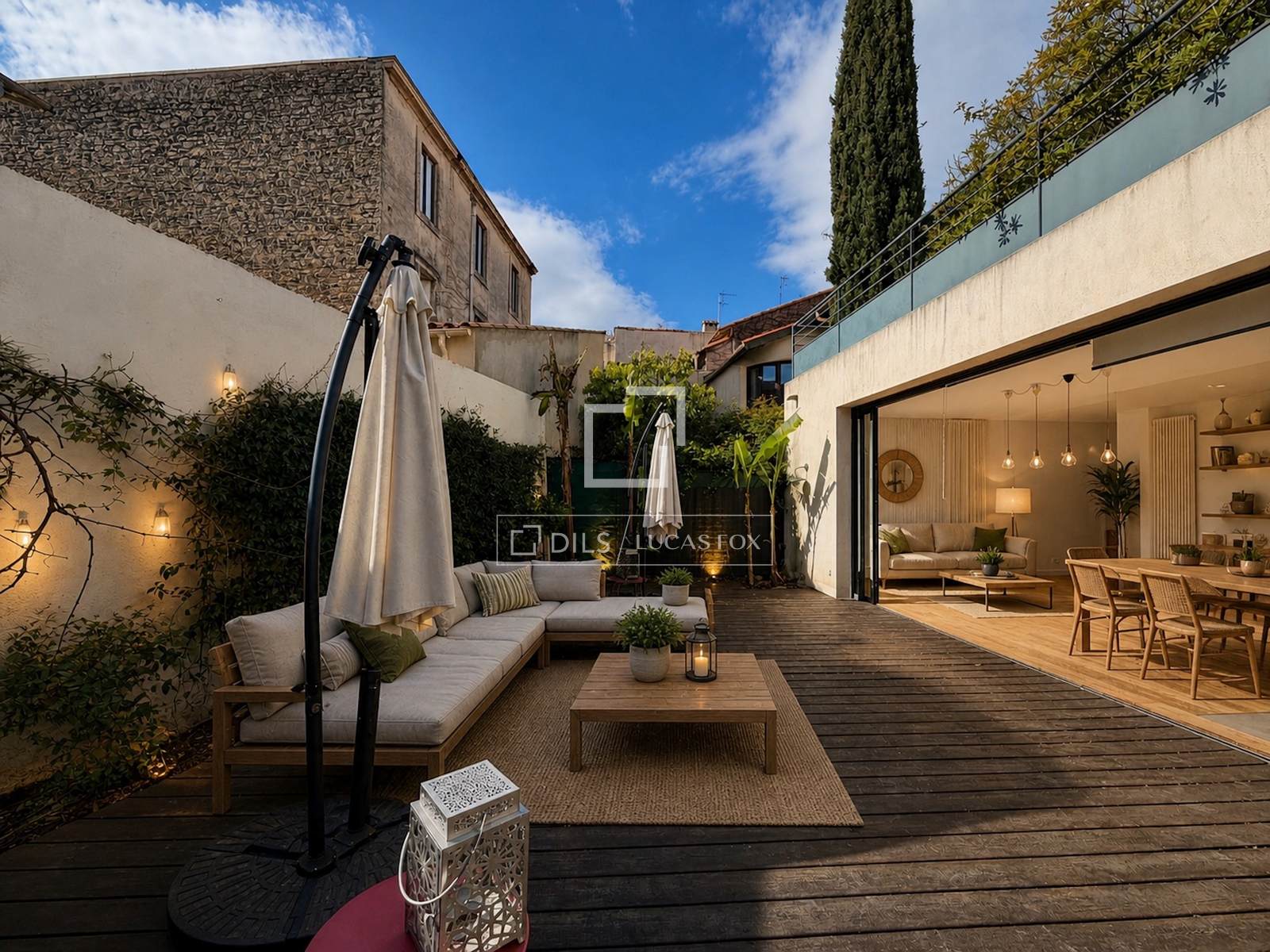
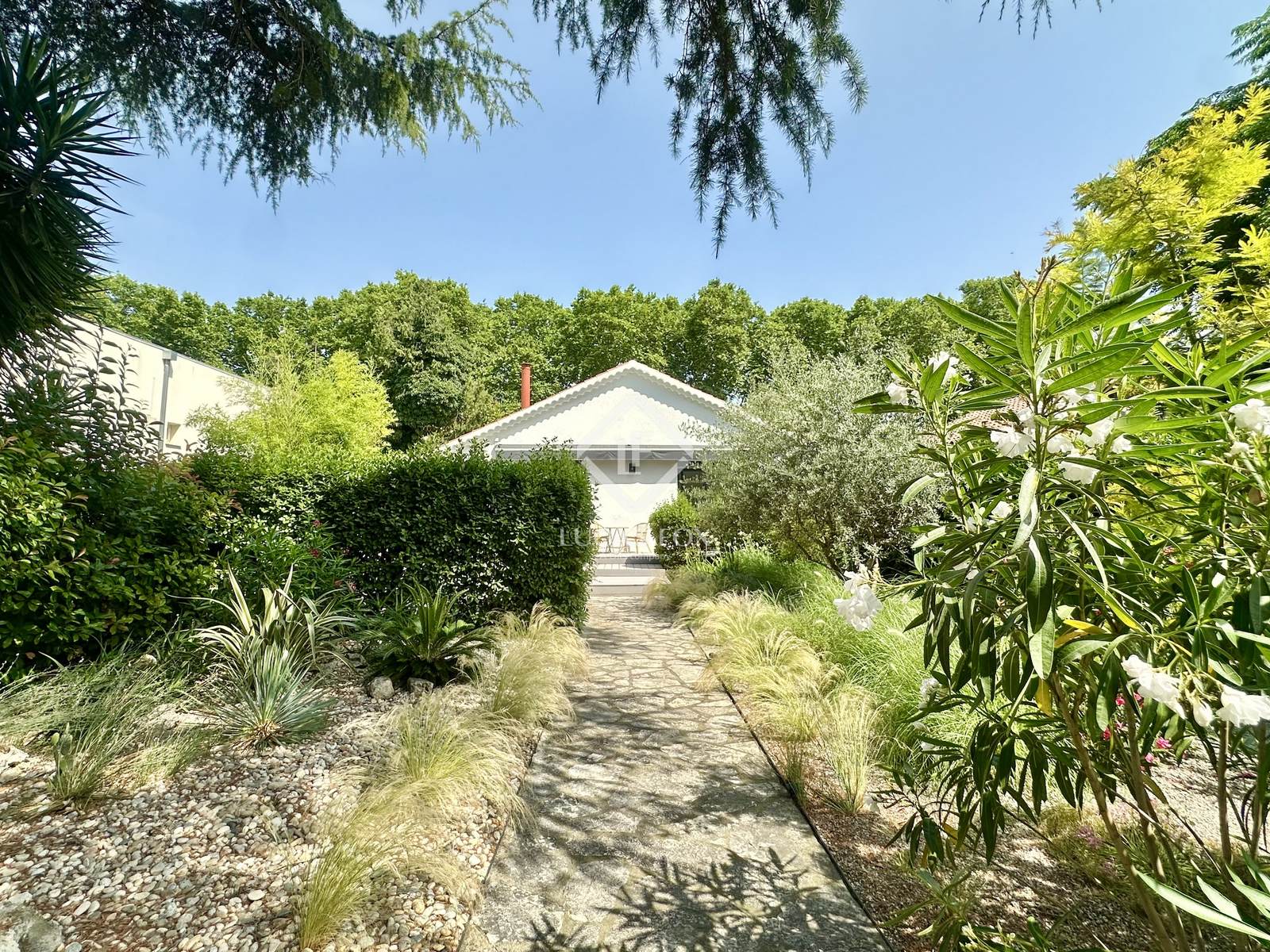
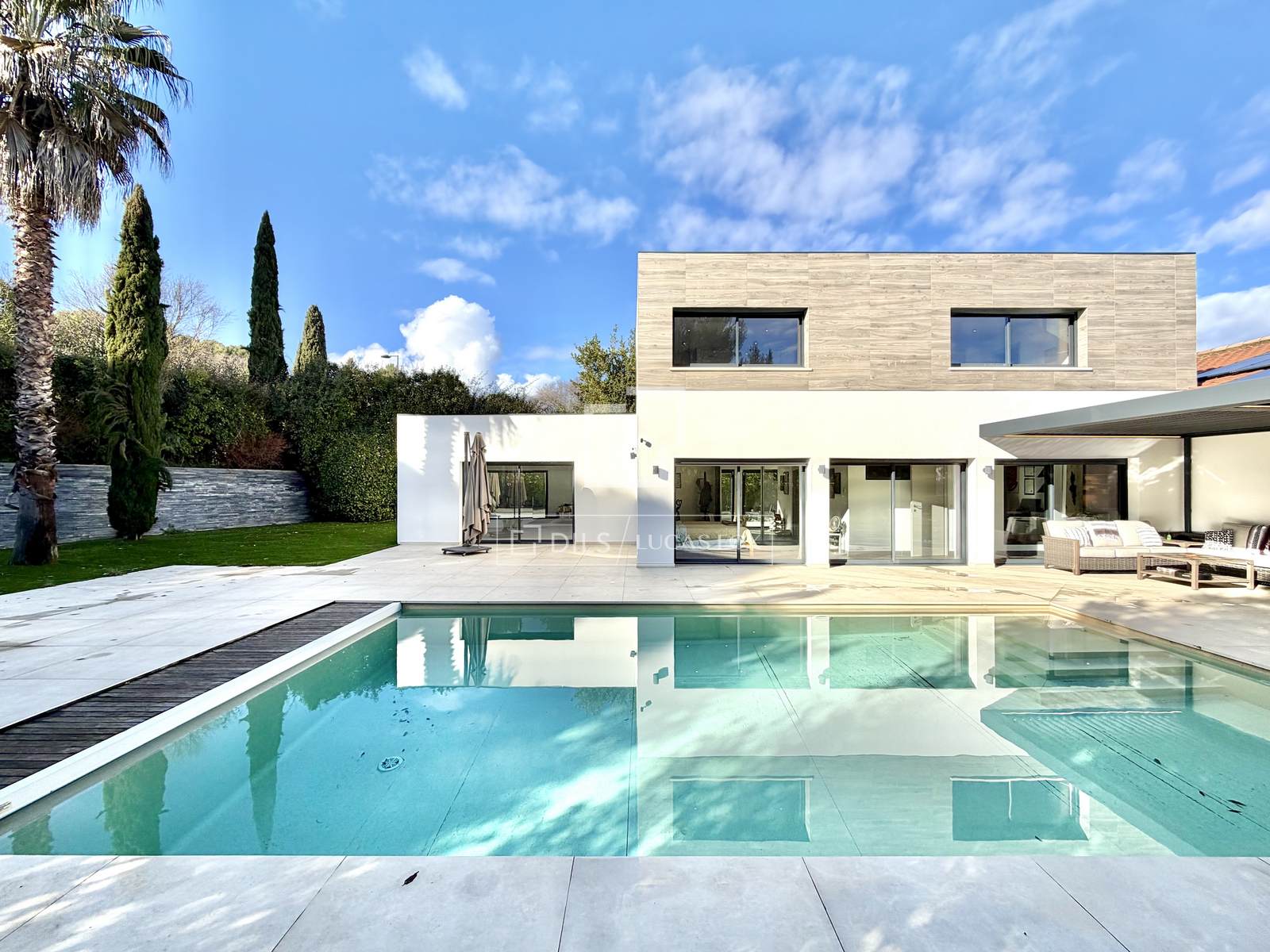
3 bedroom apartment for sale in Montpellier Centre, Montpellier
€1,393,000
Montpellier Centre, Montpellier, France
- 3 bed
- 2 bath
- 230 m²
- Apartment
About this place
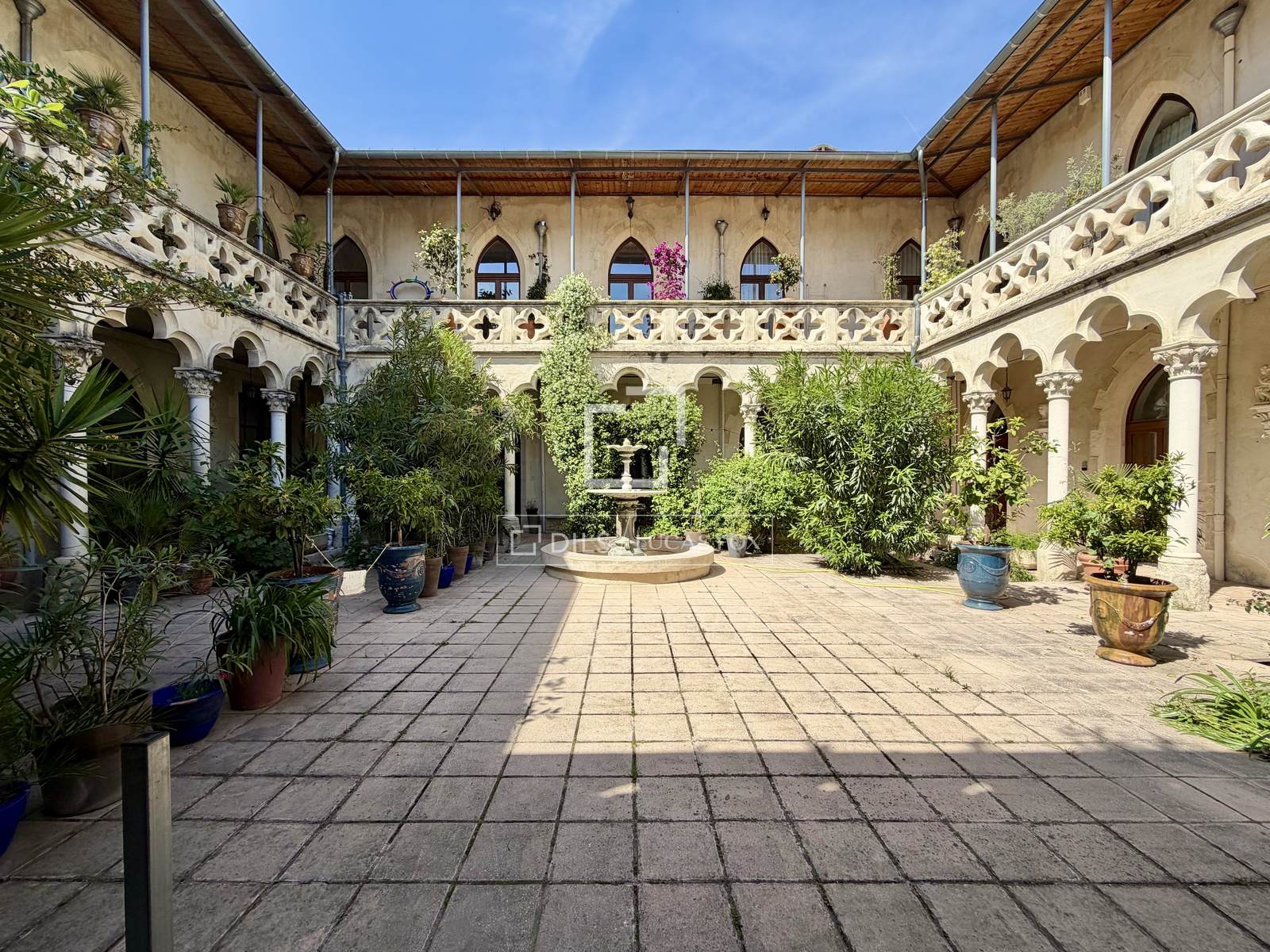
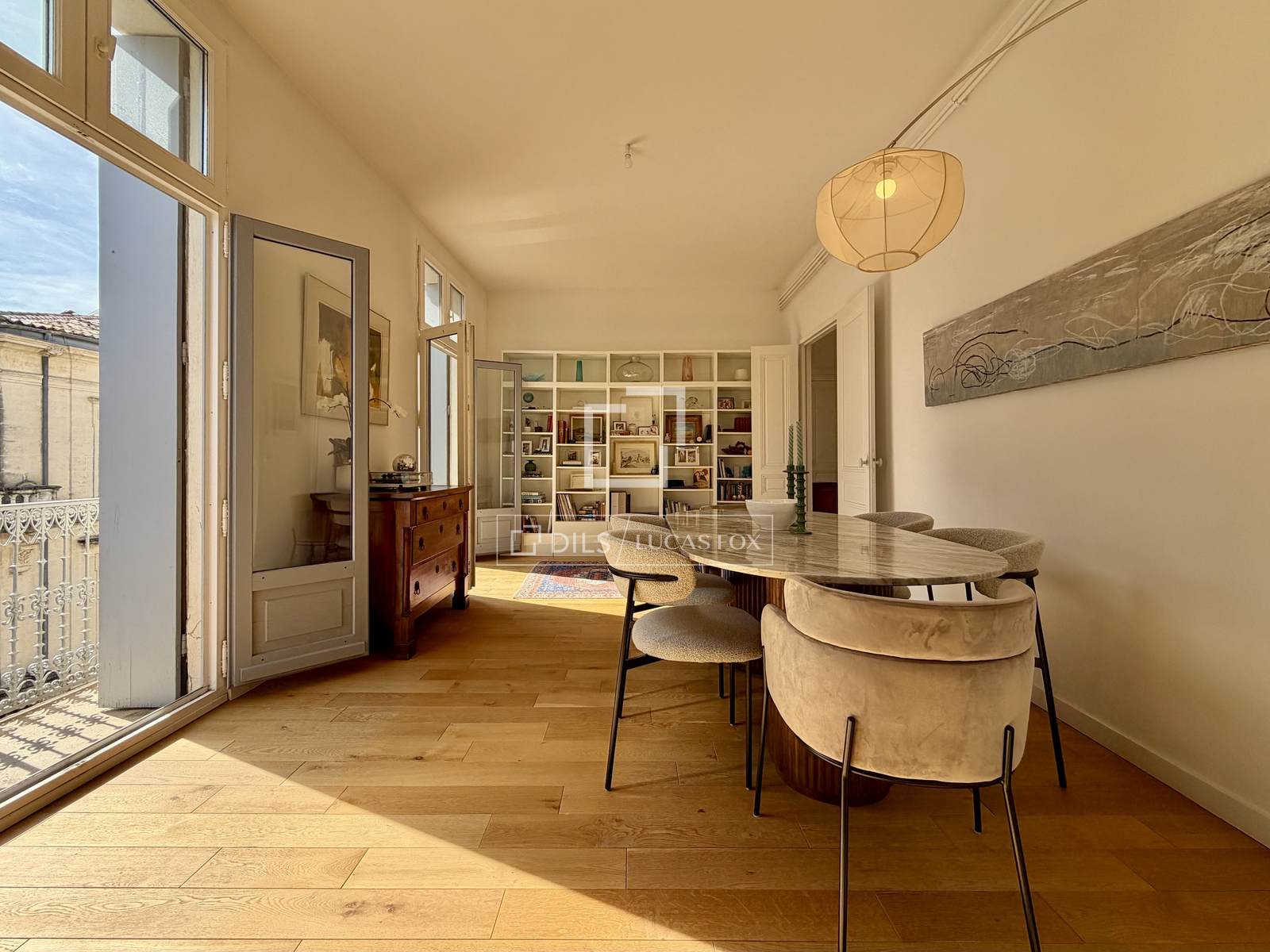
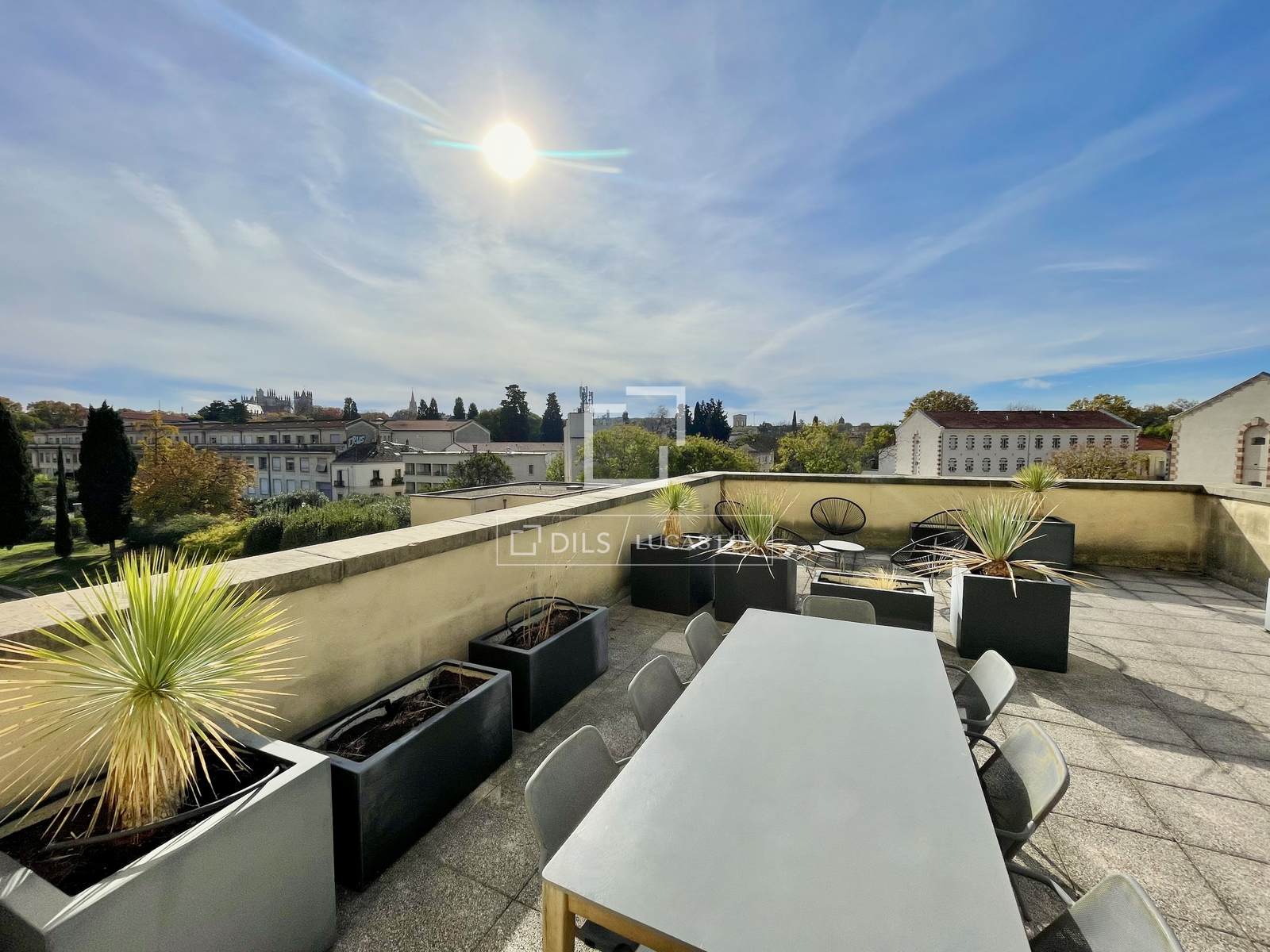
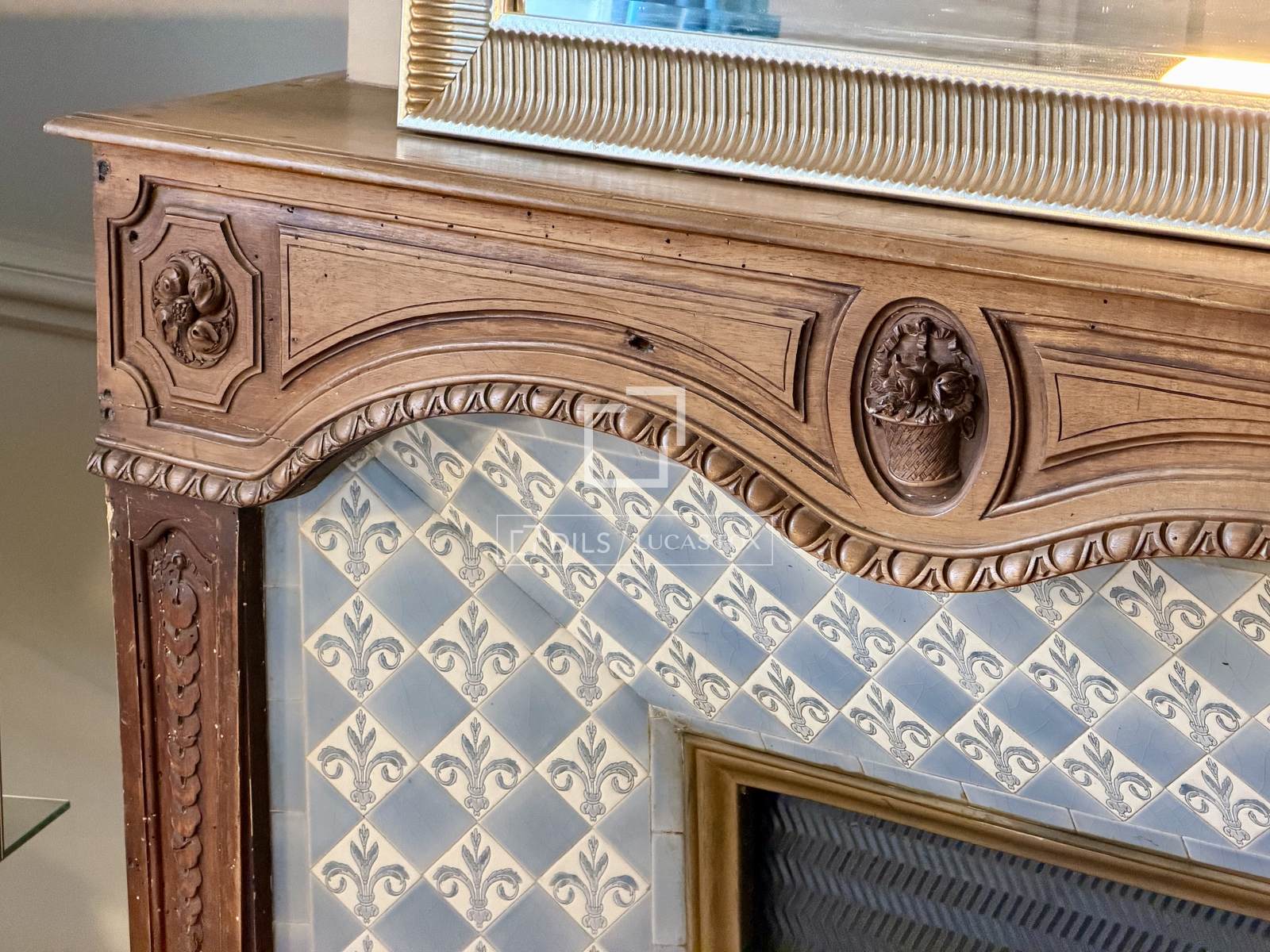
Neighboring Rue Foch and its Arc de Triomphe, exceptional renovated apartment with cellar and garage located on Place de la Canourgue
Buying property in France
Full guide →France places no restrictions on foreign property ownership. The notaire (a public official, not a lawyer for either side) handles the conveyance and is paid by the buyer. A French bank account is strongly recommended for completion funds and ongoing charges.
The buying process
- 1
Make an offer
Offers are usually verbal or via the estate agent (agent immobilier). Once accepted, the agent drafts the offer letter.
- 2
Sign the compromis de vente
Preliminary contract setting price, conditions, and a 5–10% deposit held in escrow. Buyer has a 10-day statutory cooling-off period after signing.
- 3
Engage a notaire
Buyer and seller can share one notaire or use separate ones at no extra cost — fees are fixed by law and split.
- 4
Searches & conditions
Notaire runs title, planning, and mortgage searches; mortgage conditions (clause suspensive) typically allow 45 days to secure financing.
- 5
Final funds & pre-completion
Transfer balance plus all notaire fees to the notaire's account a few days before signing.
- 6
Sign the acte de vente
Final deed signed at the notaire's office (in person or by power of attorney). Keys handed over.
- 7
Registration
Notaire registers the sale at the Service de la Publicité Foncière and sends the buyer a certified copy (attestation) within weeks; the full deed follows in 2–6 months.
- Passport / ID
- French bank account (RIB)(optional)
Not legally required but expected by notaires and utility providers
- Proof of address
- Proof of funds / mortgage offer
No residency requirement to buy. Non-resident mortgages available from French banks, typically 70–80% LTV with stricter affordability checks. France abolished taxe d'habitation on primary residences (2023) but it still applies to second homes — and many communes now apply a surcharge of up to 60% on second homes in high-demand zones.
General guidance only — confirm specifics with a qualified local lawyer or tax adviser. Reference